Industry 4.0 and Smart Factory: How These Can Benefit Businesses
2026 / 07 / 17

Industry 4.0 and Smart Factory: How These Can Benefit Businesses

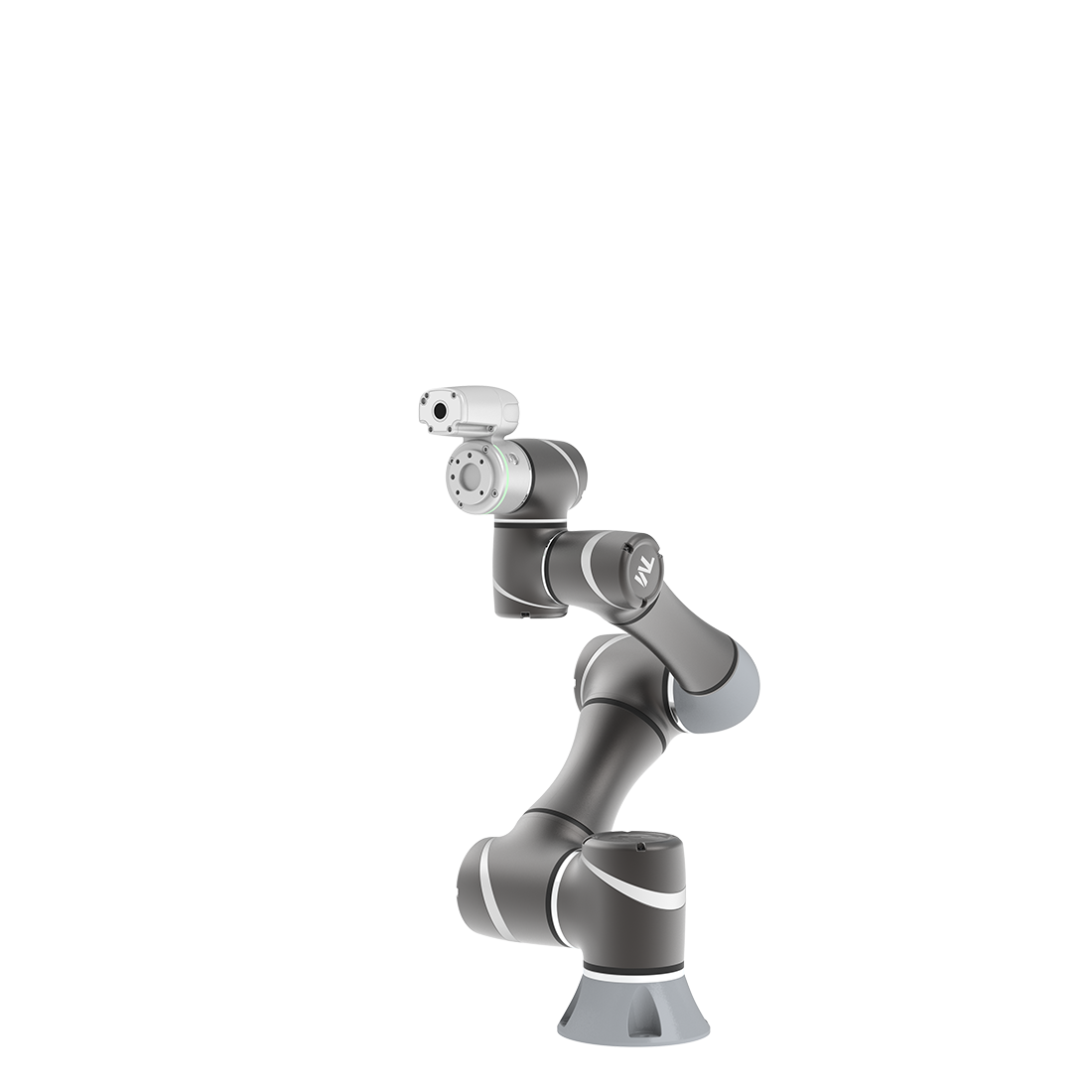
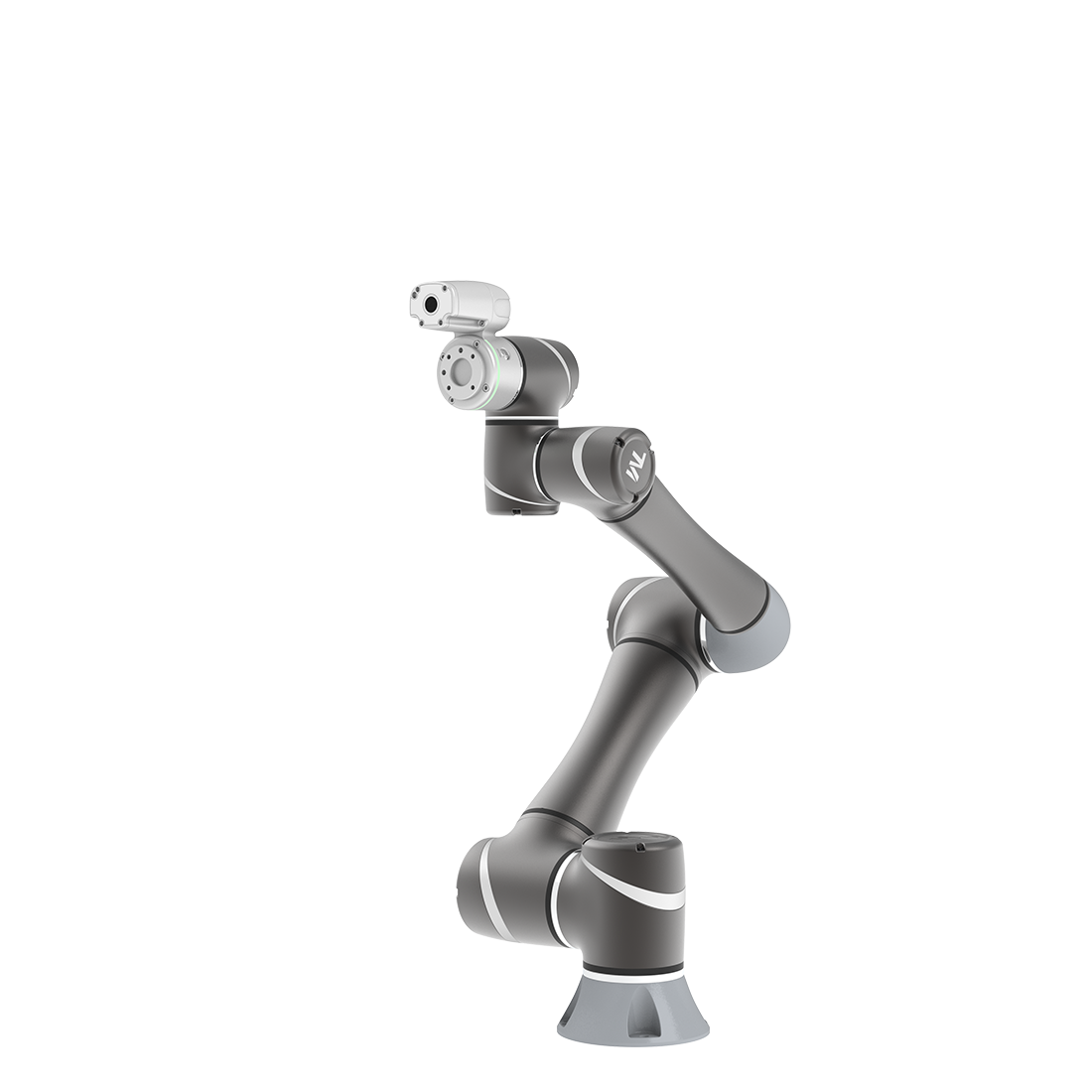
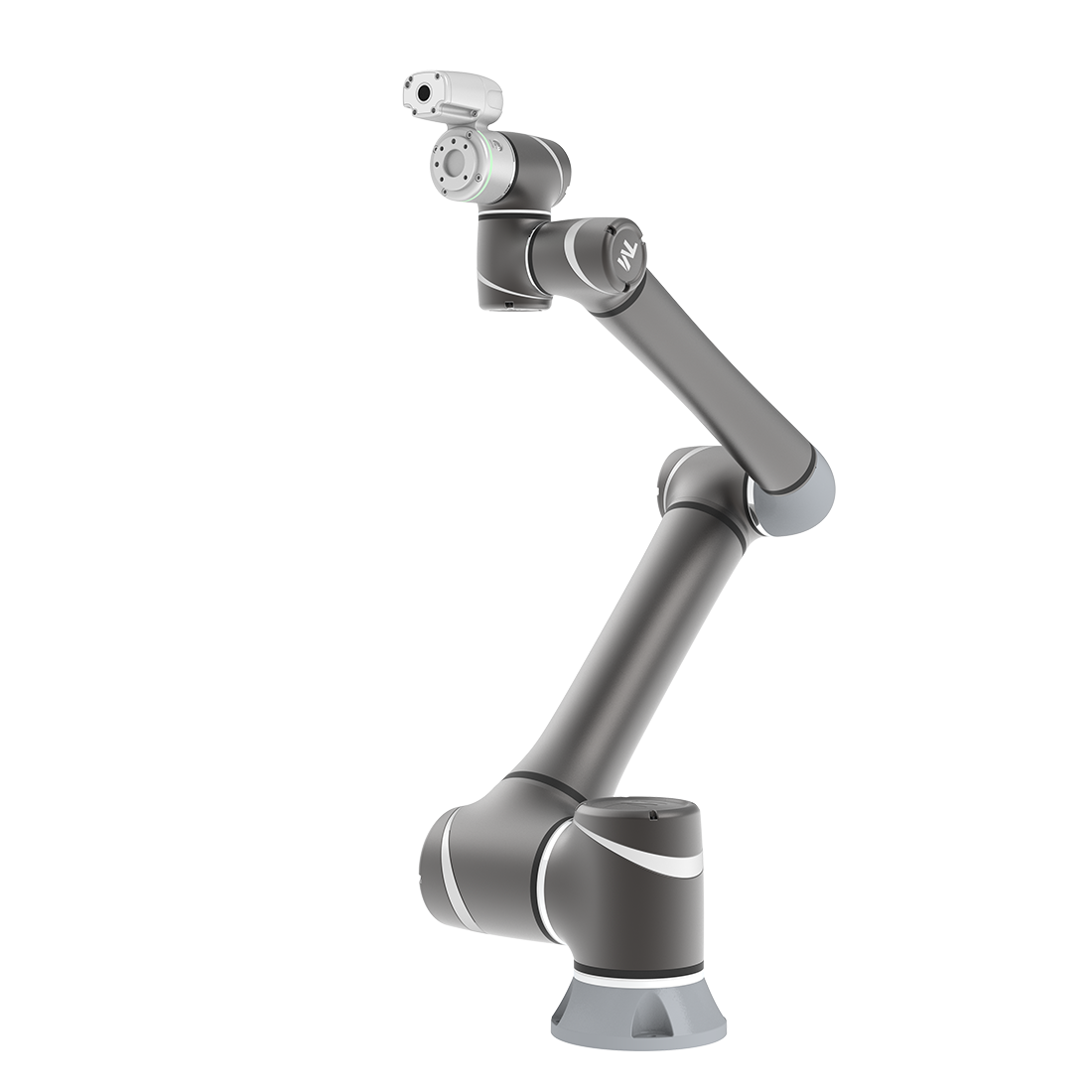
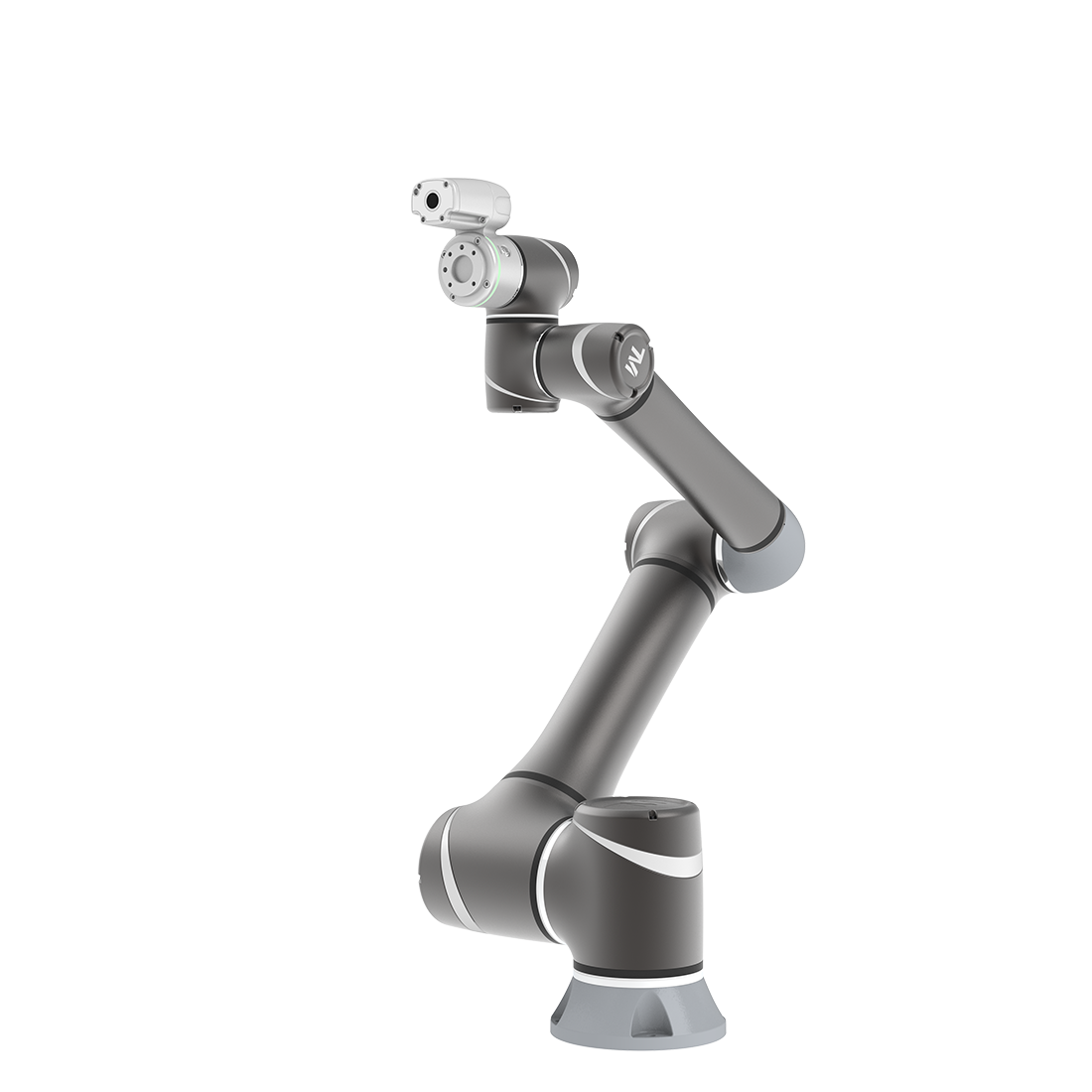
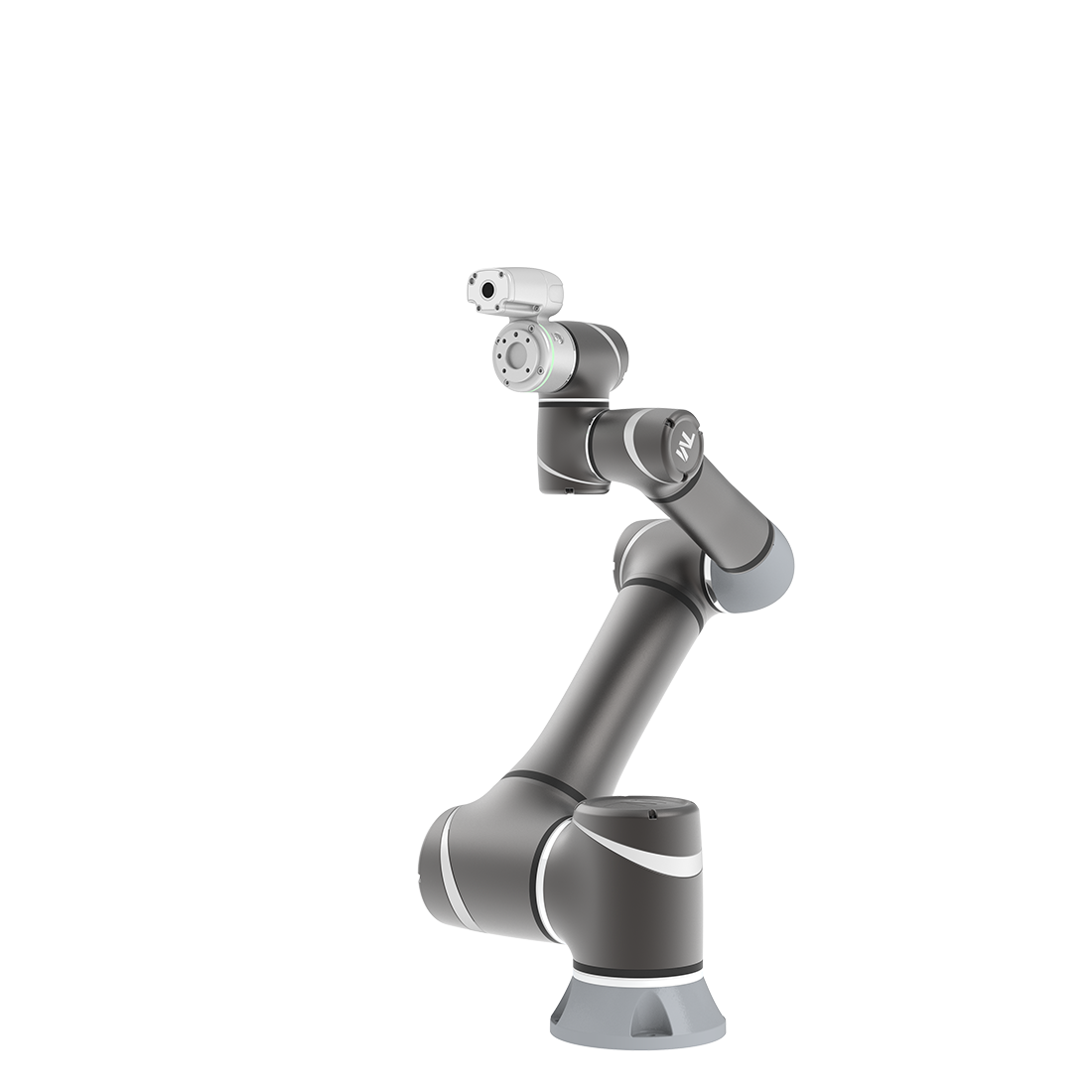
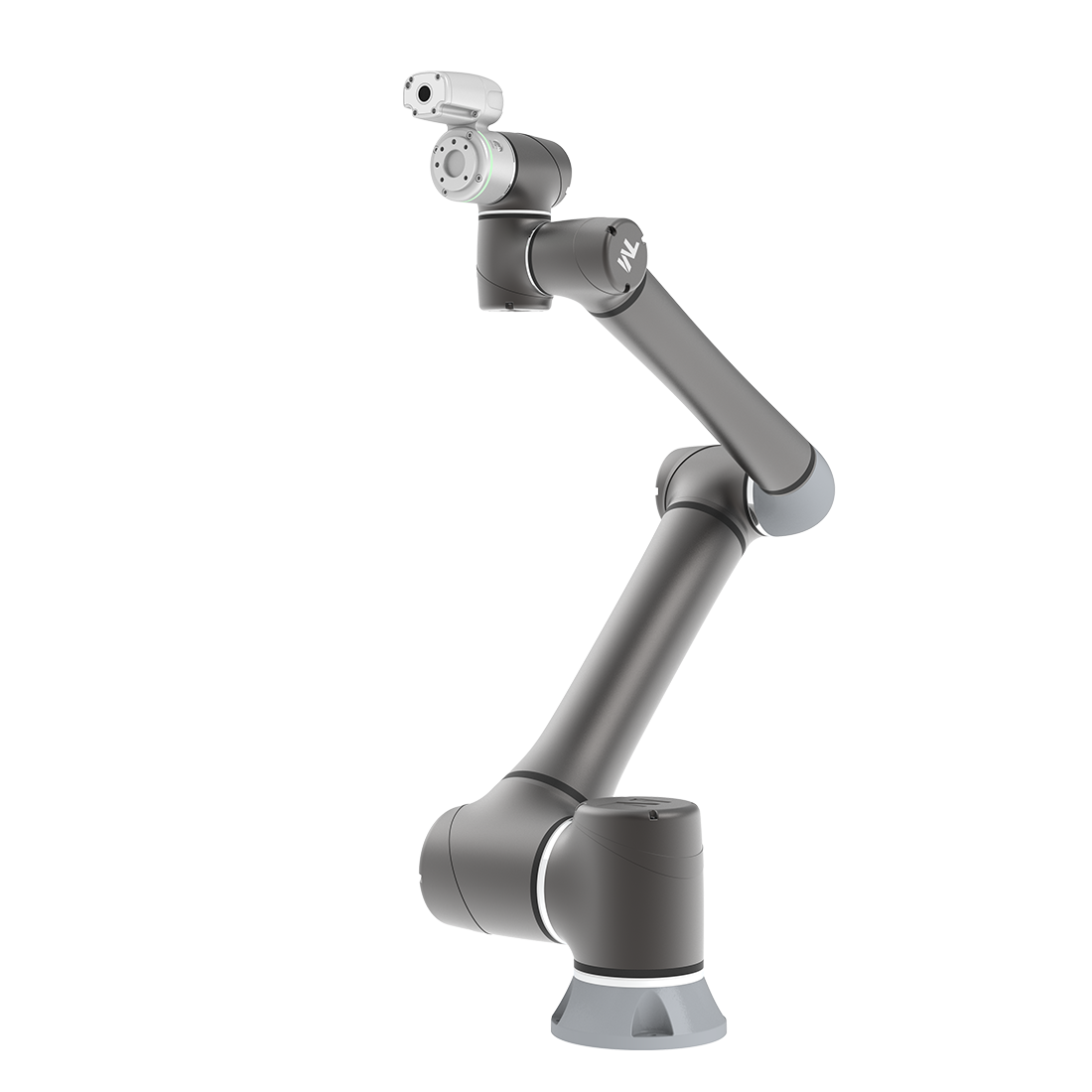
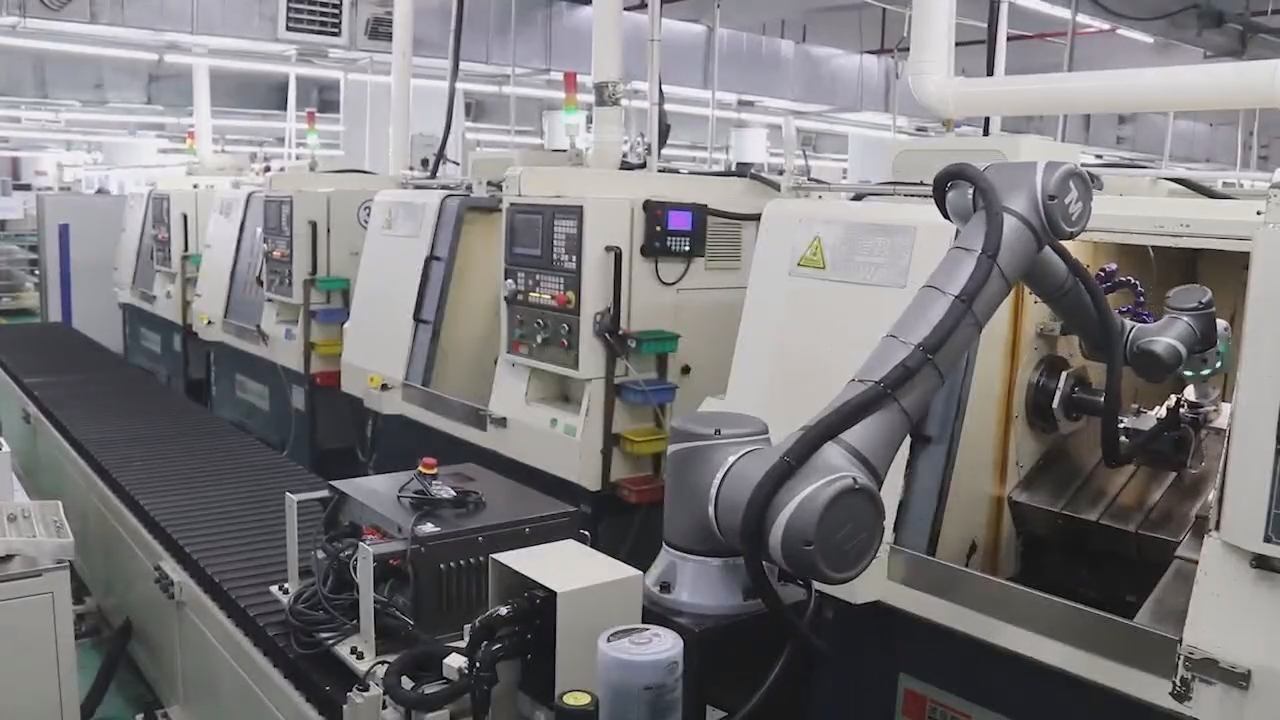
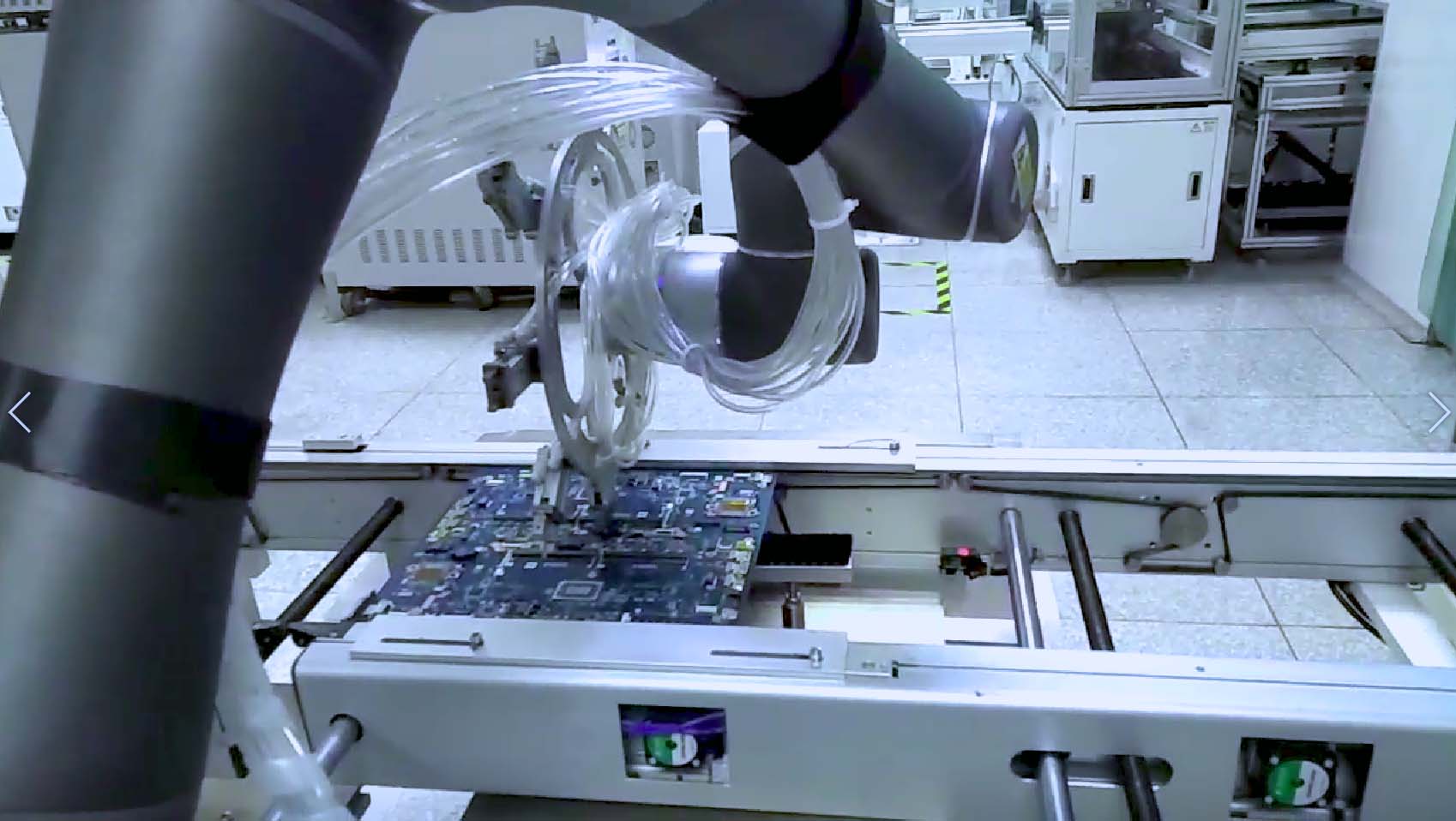
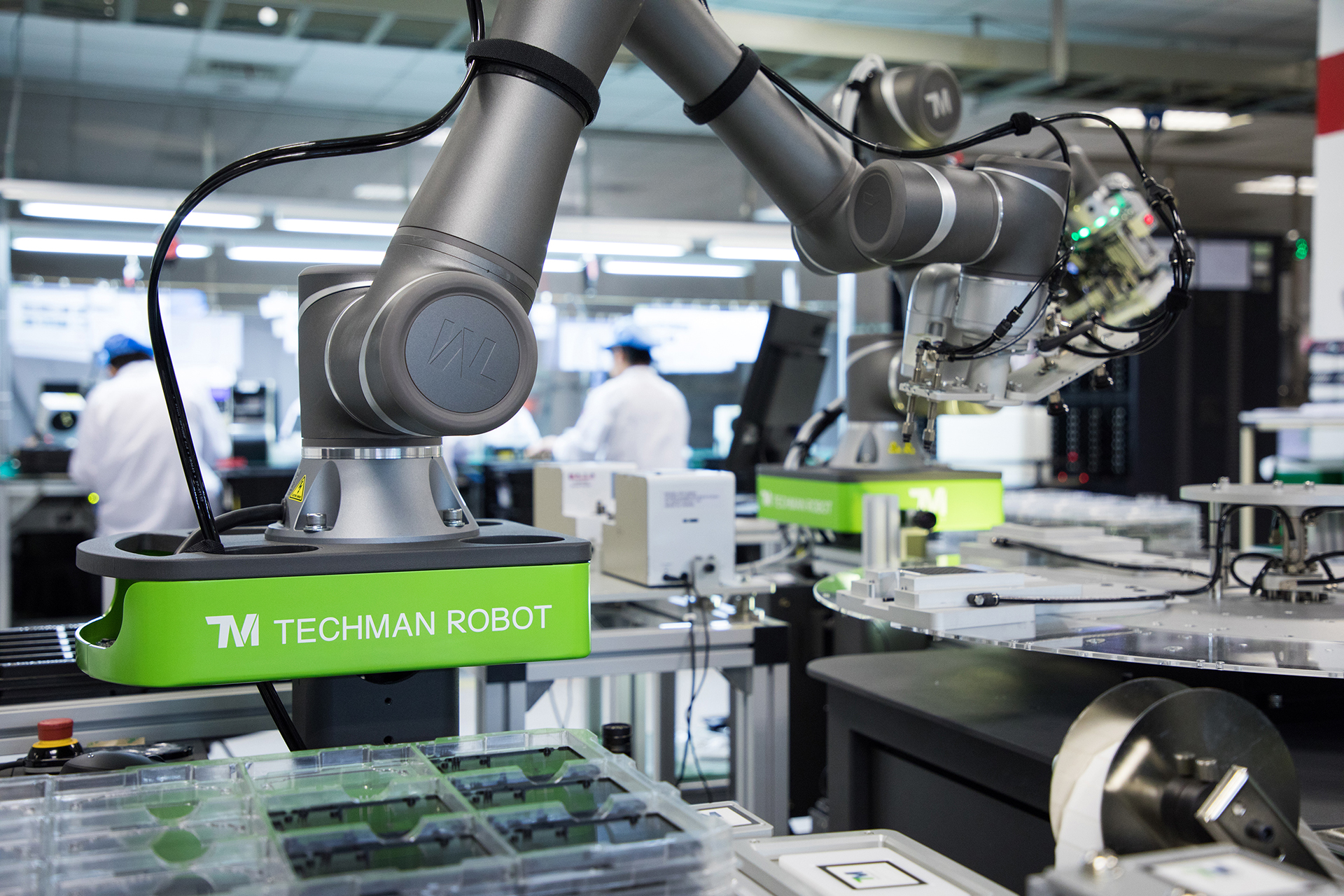
Technology today has played a vital part in advancing many areas of people’s lives. Companies, for instance, can now create internal solutions and products that were difficult to imagine several years or decades ago.  On top of that, technology is transforming the world of manufacturing. Buzzwords, specifically Industry 4.0 and Smart Factory, are poised to transform the manufacturing sector’s entire value chain.  What is Industry 4.0 and Smart Factory? Industry 4.0 is an umbrella term referring to the changes occurring in the manufacturing value chain process. These changes offer a more effective way to manage, organize, and streamline the standard procedures within the manufacturing sector, including supply, production, logistics, development, and prototyping. Industry 4.0 is a manufacturing trend that involves the use of the Internet of Things (IoT), automation, and cyber-physical systems, all of which create a smart factory. As the name suggests, this term is a highly digitized production or manufacturing facility, where the whole production or manufacturing process occurs automatically without the need for human input. On top of that, a smart factory is a place where communication flows seamlessly and smoothly between the different systems. Advantages of Using Industry 4.0 You get to reap the following benefits when you apply Industry 4.0 to your business: Higher Productivity Technologies using Industry 4.0 allow you to do more with less. Your manufacturing company, for instance, can make more products quickly while allotting resources more efficiently and cost-effectively.Your machines and production processes will experience less downtime, disruption, or delay, thanks to automated (or semi-automated) decision-making and enhanced equipment monitoring. Enhanced Efficiency Industry 4.0 makes various areas of your manufacturing line more efficient. Examples of improved efficiency include less idle time, automated reporting, better track, trace processes, and quicker batch turnovers. You can also make management decisions more quickly, with your entire factory’s manufacturing data at your hands. Better Product Quality Real-time quality control that usually comes with Industry 4.0 technologies enables you to extract data points and other relevant statistics at every stage of the production or manufacturing process. It helps you figure out the changes in facility conditions that affect product quality. Take temperature as an example. The changing heat or cold levels in the facility can influence employee production and affect product quality. With the help of Industry 4.0, you can use the extracted data to determine the ideal temperature in your manufacturing plant. Increased Opportunities for Collaborative Working and Knowledge Sharing The processing plants found in traditional manufacturing facilities operate in silos. This means that the workers in those individual facilities don’t get much opportunity to share their knowledge or collaborate with other plants. Technologies operating under Industry 4.0 enable your employees to communicate regardless of time zone, location, or any other factor. With Industry 4.0, you can disseminate knowledge picked up by one machine in one facility to other processing plants throughout your organization. What’s more, you can share this knowledge from one system or machine to another without the need for human intervention. The data found in one machine or a particular location, for instance, can enhance production processes in other places across the globe. Improved Customer Experience Industry 4.0 provides you with opportunities to enhance the services you offer to your customers. Automating your company’s track and trace capabilities, for instance, allows you to resolve problems speedily.Your business will face fewer issues with product quality and availability. Lowered Costs Investing in technology with Industry 4.0 requires an upfront cost. The money you put in, however, will be worth it. You’ll see the manufacturing costs in your facility dip as a result of using Industry 4.0 technology. Your business will be able to manufacture parts or products faster, utilize resources better, and enjoy decreased overall operating expenses.  More Opportunities for Innovation Industry 4.0 helps you become more knowledgeable about certain manufacturing areas, such as distribution chains, supply chains, and manufacturing processes. It gives you the chance to innovate by coming up with a new product, changing existing business processes (in favor of better ones), streamlining a supply chain, and more. Benefits of Moving to a Smart Factory Setup Apart from using Industry 4.0 technologies, your processing plant or facility needs to move towards a smart factory configuration. By doing so, you’ll enjoy the following benefits: Predictive Maintenance A report by eMaint, an award-winning software company, revealed that businesses spend a majority (80 percent) of their time reacting to arising problems instead of preventing them from occurring in the first place. This approach can severely drain the available resources of a business, including money, time, and worker productivity. A smart factory can overcome this challenge with its predictive and proactive maintenance capability.With this feature, you will receive an early warning about a machine’s declining performance. Your maintenance or repair specialists, therefore, can take the necessary steps to nip the problem in the bud. By doing this, your business can avoid significant downtime or business losses Optimized Assets Technologies in smart factories streamline various assets in a manufacturing facility and aid the business in making the most of them. They help identify the location and performance of your resources and manpower in real time. This way, you can make changes to your inventory on the fly. Scalable Infrastructure The capital costs involved in setting up a scalable smart factory for the first time are high. Over time, however, the infrastructure becomes cost-effective, as you can expand the facility to accommodate the increasing demands of your company. With a scalable infrastructure, you won’t have to shell out additional money on aspects like security and productivity. Better Mobility for Facility Workers Manufacturing supervisors, as well as authorized workers, can roam around the production floor and access any system data to inspect the efficiency of machines in the facility. This mobility allows your employees to add more value to the organization. Additionally, it boosts their productivity and provides them with the opportunity to come up with solutions to make manufacturing processes better. Turning Facilities to Smart Factories Techman Robot aims to offer state-of-the-art solutions to transform conventional factories and facilities into highly efficient smart factories. TM Robot, our high-performance cobot, can do the work of traditional industrial robots without the hassle of getting more manpower to keep up with the rigorous workplace environment. Additionally, you can use our collaborative robotin a range of applications, including packaging, testing, quality inspection, conveyor tracking, and machine tending.  Get in touch with us today for a free consultation.

AI-Powered FVI Defect Detection for PCBs — 99.99% Accuracy with a 15-Minute Training Time
2026 / 07 / 15

AI-Powered FVI Defect Detection for PCBs — 99.99% Accuracy with a 15-Minute Training Time

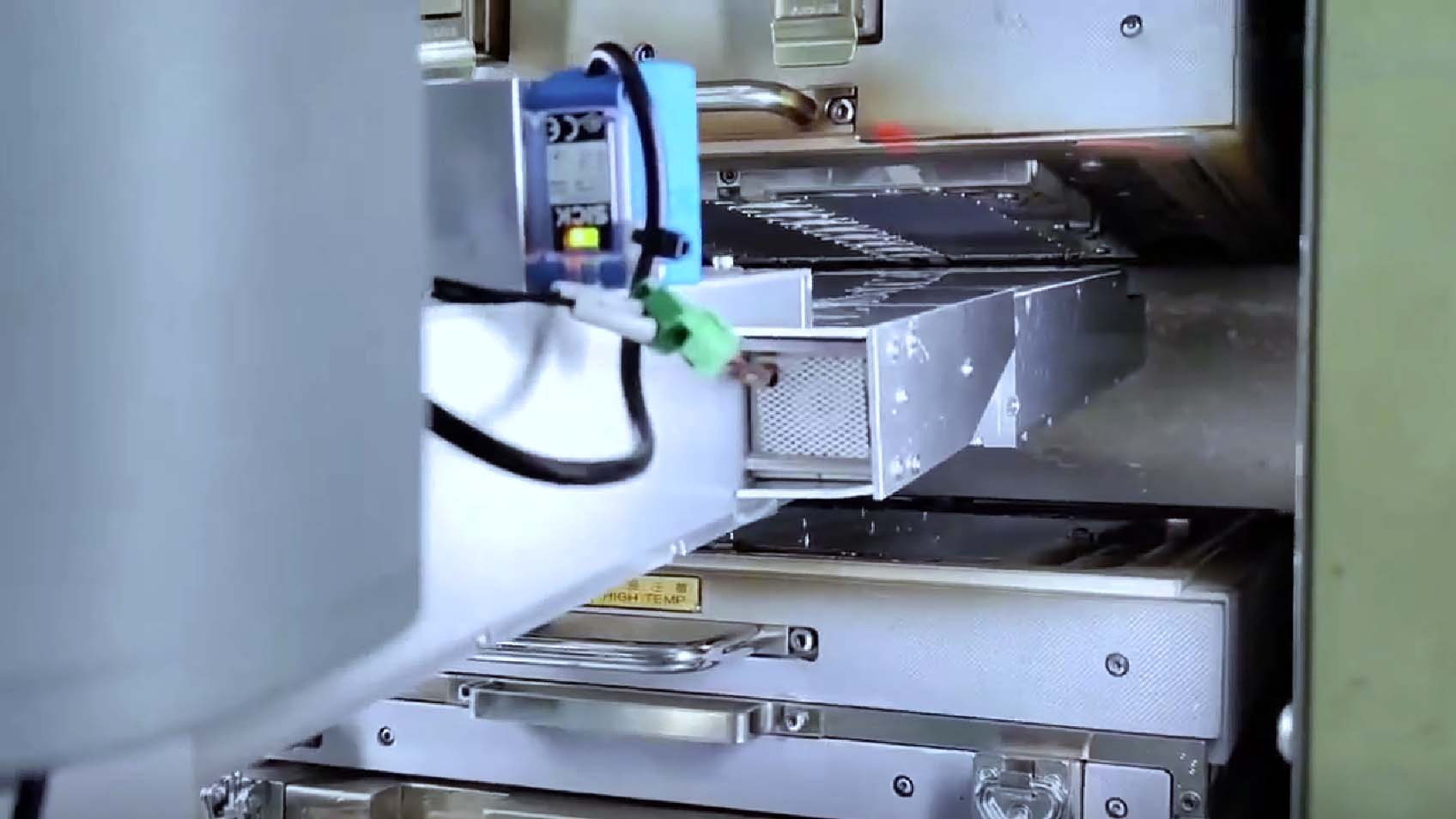
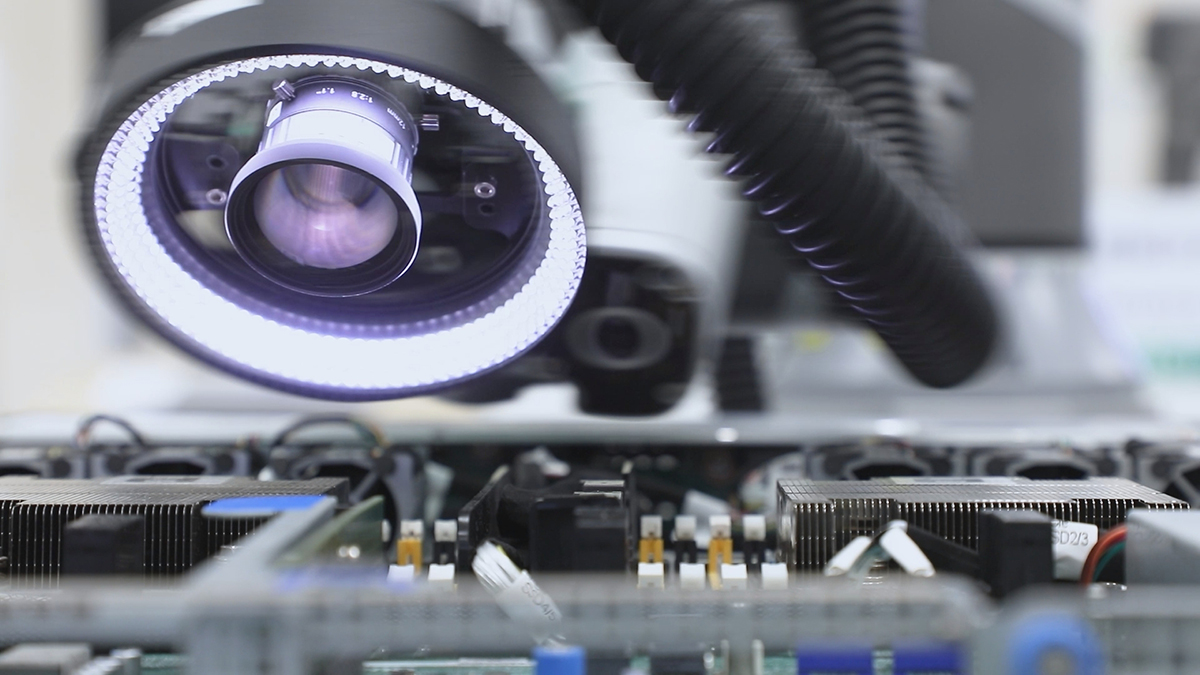
A major electronics manufacturer replaced manual final visual inspection (FVI) with Techman Robot's TM AI Cobot, achieving 99.99% inspection accuracy on PCB damaged/missing part detection, cutting inspection manpower by 50%, and training the AI model with only 70 images in 15 minutes. Why Manual PCB Inspection Was FailingManual inspection could no longer keep pace with production — it was slow, costly, and missed small defects. In fast-paced electronics manufacturing, verifying product quality before packaging is critical, but the customer's human inspectors faced three persistent problems: Small anomalies were missed. Human inspectors could not consistently identify tiny defects such as damaged or missing components on printed circuit boards (PCBs).Volume outpaced capacity. High-volume production demanded rapid, scalable inspection that matched cycle times.Labor costs kept rising. Heavy dependence on manual inspection increased operating costs and introduced inconsistency between inspectors and shifts.  How Did the TM AI Cobot Solve It? The TM AI Cobot combined built-in vision, external cameras, and on-edge AI classification into a single automated inspection workflow — no separate vision system integration required.Imaging & DetectionThe Eye-in-Hand (EIH) camera handled precise positioning, while an external camera performed multi-point visual inspection, capturing images from multiple angles so every component was checked.Each image was analyzed by the AI model and classified as Pass (OK) or Fail (NG). AI Model Training — 70 Images, 15 MinutesThe classification AI was trained on a dataset of just 70 images (40 OK, 30 NG).Training took only 15 minutes, so the system adapts quickly whenever board designs or production requirements change. Automated Sorting WorkflowOK products flow automatically to the next station.NG products are identified and picked out by the cobot arm into a dedicated recycle area for further processing.Inference runs on the TM AI AOI Edge, which transmits results to the robot for real-time decision-making — keeping the production flow seamless.Results at a Glance MetricResultInspection accuracy99.99%False alarm / overkill rate< 1%Inspection manpowerReduced by 50%AI training dataset70 images (40 OK / 30 NG)AI training time15 minutesCycle timeMatches production line speedWhere Else Does This Apply? Detecting missing or damaged parts before packagingCatching small anomalies early in the process to prevent downstream quality escapesAny final visual inspection (FVI) station where defect classes can be taught by example imagesFAQHow many images are needed to train the AI inspection model?In this case, only 70 images (40 OK, 30 NG) were needed, with a training time of 15 minutes — making it practical to retrain whenever the product changes. What accuracy can AI-based PCB inspection achieve?This deployment achieved 99.99% inspection accuracy, with false alarm and overkill rates under 1%. Does the cobot need an external vision system?No. The TM AI Cobot has a built-in Eye-in-Hand camera for positioning and supports external cameras for multi-point inspection, with AI inference running on the TM AI AOI Edge. Can the system keep up with high-volume production lines?Yes. Inspection speed aligned with the customer's production cycle time while reducing inspection manpower by 50%.

AI Vision Solves Complex IC Defect Inspection in Ultrasonic Equipment
2026 / 06 / 30

AI Vision Solves Complex IC Defect Inspection in Ultrasonic Equipment

Background and Customer Needs A leading electronics manufacturer was facing a significant quality control bottleneck in their Integrated Circuit (IC) packaging line. The client relies on ultrasonic equipment to inspect ICs for internal defects. However, the machine's initial First Pass Yield (FPY) was only 50%. To meet production standards, operators had to conduct extensive manual re-inspections to raise the FPY to the target of 95%~98%.  The client urgently needed an automated, intelligent vision solution to take over this labor-intensive re-inspection process, improve accuracy, and reduce the burden on human operators. Challenges Strict Area Thresholds: The inspection criteria were highly specific. A single air bubble could not exceed 3% of the total IC area, and the combined area of all bubbles could not exceed 5% of the total IC area.Complex Multi-Layer Imaging: The ultrasonic scan evaluates two layers: the first layer for IC bubbles and the second for solder joints.Interference from “Mapping”: Reflections—or "mapping"—from the soldering layer are often projected onto the IC layer. The system needed the intelligence to recognize these specific reflections and correctly judge them as acceptable products rather than defects.Irregular Defect Shapes: Air bubbles are naturally random, irregular, and diverse in shape, making it nearly impossible for traditional rule-based machine vision to accurately calculate their areas. Solution To overcome these inspection hurdles, we deployed the TM AI+ AOI Edge solution, utilizing deep learning to execute advanced image analysis and calculations: AI Semantic Segmentation Instead of traditional machine vision, the system utilizes TM AI Segmentation. This neural network precisely identifies the boundaries of both the chip and the irregular defect areas. By extracting these pixel-perfect shapes, the AI accurately calculates the defect-to-chip area ratio to strictly enforce the 3% and 5% limits. Seamless Automated Workflow The ultrasonic equipment outputs the raw images, which are immediately retrieved over the network by TM AI+ AOI Edge. Within the TMflow software, the image contrast is automatically adjusted to make defects pop out, allowing the AI model to make highly accurate judgments in real-time. Auto-Training and Iteration The solution incorporates a robust server-based AI Trainer. Operators can review edge cases (such as tricky mapping reflections) and use the Auto Labeling feature to update the database. Through the Auto Training AI system, the factory can automatically collect images, train upgraded models, and seamlessly deploy them back to the edge, continuously improving the system's intelligence.   Results & Benefits High-Precision Quality Control: The AI solution effortlessly automates the complex mathematical task of verifying whether total defect areas fall within the strict <= 5% and <= 3% tolerances, eliminating human subjectivity.Enhanced Operational Efficiency: By intercepting and processing the 50% of components flagged by the ultrasonic equipment, the AI drastically reduces the sheer volume of manual re-inspections required, saving significant labor costs.Continuous Improvement: While complex "mapping" reflections are flagged for quick human confirmation during the initial rollout, the closed-loop feedback system ensures the AI model continuously learns from operator inputs, pushing the line toward greater autonomy with every shift. Conclusion This case study highlights how integrating specialized testing equipment with TM AI Vision can transform a bottlenecked quality control process. By leveraging AI Semantic Segmentation and continuous machine learning, we provided the client with a highly accurate, automated, and scalable solution to tackle complex IC inspection challenges.

Partnering with Standard Robots & Suzhou Taiyuke Electronic
2026 / 06 / 30

Partnering with Standard Robots & Suzhou Taiyuke Electronic

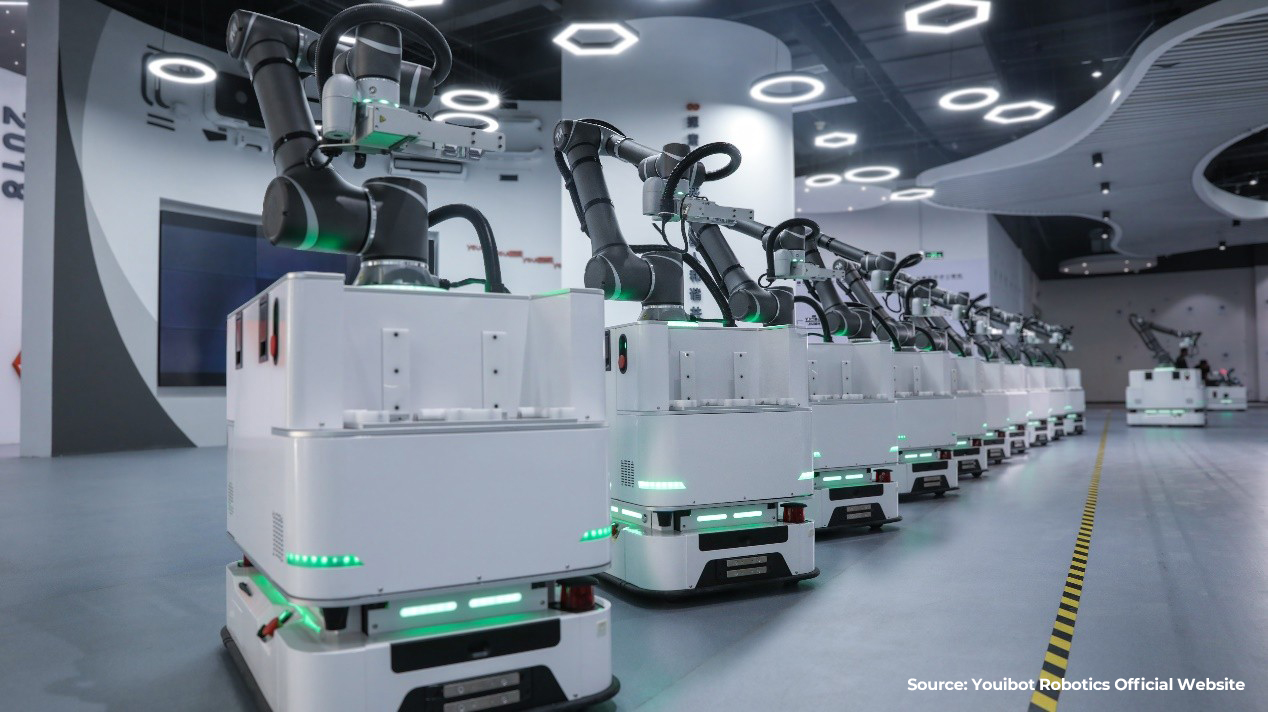
Unlocking a New Paradigm of Fully Automated Laser Mold Cleaning for Semiconductor Packaging and Testing In the precision realm of semiconductor packaging and testing, mold cleanliness is a critical factor that directly determines chip packaging yield and ensures production stability. During production and processing, semiconductor devices inevitably generate residues and impurities such as oxides, micro-dust, and compound flash. These contaminants can severely degrade device performance and lifespan, or even cause catastrophic chip failures. However, traditional manual mold cleaning is not only inefficient but also easily damages expensive molds; meanwhile, semi-automated methods struggle to adapt to the needs of flexible production lines, creating a major bottleneck that restricts manufacturing upgrades and efficiency optimization. As a global leader in AI collaborative robots, Techman Robot has partnered with Standard Robots and Suzhou Taiyuke Electronic Technology to launch a brand-new "composite robot solution." Featuring Techman Robot’s AI collaborative robot as the core execution unit and Standard Robots' AGV (Automated Guided Vehicle) as the mobile carrier, this solution seamlessly integrates cutting-edge laser mold cleaning technology. It provides full-process automation for semiconductor packaging and testing mold cleaning, resolving industry pain points through technical synergy and powerfully driving the transformation and upgrade of intelligent semiconductor manufacturing.   Synergy in Action: Making Semiconductor Mold Cleaning More Efficient and Stable Doubled Throughput, Significantly Minimizing Downtime Losses Compared to traditional manual cleaning methods that require tedious mold disassembly, this collaborative composite solution enables on-line, rapid mold cleaning directly on the production line, vastly improving cleaning efficiency. Additionally, it significantly extends mold maintenance cycles, effectively reducing production losses caused by equipment downtime, and further maximizing Overall Equipment Effectiveness (OEE.) Non-Destructive Cleaning, Maximizing Mold Lifespan Leveraging the ultra-high precision and non-contact operation of Techman Robot’s AI collaborative robots, this solution completely eliminates the risks of mold scratches or deformation while precisely removing nano-scale residual contaminants. This not only extends the operational lifespan of the molds but also safeguards their dimensional precision and stability, ultimately helping enterprises lower production costs. Unmanned Operation, Reducing Labor Costs The entire cleaning process requires zero manual intervention, enabling continuous 24/7 round-the-clock operations and substantially lowering labor investments. Furthermore, it thoroughly mitigates safety hazards and human error risks associated with manual handling, allowing enterprises to reallocate core human resources to higher-value production stages. Flexible and Tailored Deployment, Effortlessly Meeting Expansion Demands Powered by the AI-driven smart vision technology built directly into Techman Robot’s collaborative robots, combined with the agile mobility of Standard Robots' AGVs, the system rapidly adapts to molds of various specifications and structures. Equipment onboarding and commissioning are exceptionally fast and efficient, allowing enterprises to easily cope with frequent line changeovers and capacity expansion needs in semiconductor manufacturing. Comparison of Mold Before and After Laser Cleaning  Winning Together: Creating a New Future for Intelligent Semiconductor Manufacturing The high-quality development of the semiconductor industry relies heavily on technological upgrades in core manufacturing equipment and close technical synergy between enterprises. The composite robot mold cleaning solution co-developed by Techman Robot, Standard Robots, and Suzhou Taiyuke Electronic not only successfully addresses long-standing industry pain points in semiconductor packaging and testing mold maintenance, but also provides chip manufacturers with an efficient, reliable intelligent manufacturing upgrade solution through its automated, intelligent, and flexible technical advantages. Looking ahead, Techman Robot will continue to deepen its close collaboration with ecosystem partners, focusing on precision operation scenarios within the semiconductor sector while continuously iterating and upgrading AI collaborative robot technologies. We aim to launch more tailored, custom solutions for the semiconductor industry, driving autonomous innovation through core technologies. In doing so, we will assist enterprises in fully achieving their goals of optimizing operational costs and maximizing production efficiency, together building a green, highly efficient new future for intelligent semiconductor manufacturing.

Driving Efficiency in Automotive Manufacturing: AI-Powered CNC Machine Tending
2026 / 05 / 27

Driving Efficiency in Automotive Manufacturing: AI-Powered CNC Machine Tending

Background and Customer Needs In the fast-paced automotive manufacturing industry, precision and efficiency are paramount. Recently, a global automotive supplier specializing in mobility technology, electrification, and autonomous driving solutions partnered with Techman Robot to tackle a critical bottleneck on their factory floor. The objective was clear: to seamlessly automate the loading and unloading of shafts and gears for their CNC machinery while ensuring strict quality control. Challenges The client required a reliable, automated machine tending solution to handle both raw and finished workpieces. However, the actual manufacturing environment presented several complex technical hurdles: Unstructured Storage: Workpieces were stored deep inside stacked steel boxes, making it difficult for traditional automation systems to accurately locate and pick them.Harsh Optical Conditions: The metal shafts and gears were often covered in cutting oil, creating high surface reflectivity that easily confuses conventional vision systems.Process Verification: The automated system needed the cognitive capability to flawlessly distinguish between unprocessed parts and those that had already completed the CNC cycle to prevent costly machining errors. Solution To overcome these obstacles, the client deployed TM AI Cobots, leveraging our natively integrated vision system and advanced AI capabilities to automate the entire CNC loading and unloading process. Key implementations of this solution included: Advanced Depth Perception: By combining built-in EIH (Eye-in-Hand) 2D vision with distance sensors, the cobot can accurately navigate and locate workpieces even within the challenging confines of stacked steel boxes.Robust AI Object Detection: The cobot utilizes AI-driven object detection to ensure precise positioning and gripping. This technology completely overcomes the visual interference caused by high reflectivity and heavy oil contamination.Intelligent AI Classification: We deployed an AI classification model to instantly categorize parts as either "Unprocessed" or "Processed." This ensures that only the correct raw materials are loaded into the CNC machine, acting as an automated quality gatekeeper.  Results & Benefits By implementing this intelligent cobot solution, the automotive supplier successfully upgraded their production line. The TM AI Cobot not only automated the repetitive physical task of machine tending but also provided the AI-driven cognitive inspection required to guarantee proper processing. With over 100 units successfully deployed in 2024 for this specific application, this case study stands as a strong testament to how integrating AI Vision with collaborative robots can solve real-world, heavy-duty manufacturing challenges.

The $40K Advantage: Redefining Global Manufacturing ROI Through Native AI Vision
2026 / 05 / 10

The $40K Advantage: Redefining Global Manufacturing ROI Through Native AI Vision

#tm-roi-master-container { width: 100% !important; max-width: 100% !important; box-sizing: border-box !important; font-family: 'Inter', sans-serif !important; color: #cbd5e1 !important; line-height: 1.7 !important; display: block !important; } #tm-roi-master-container * { box-sizing: border-box !important; margin-top: 0; } /* 開場引文樣式 */ .tm-intro-text { font-size: 1.25rem !important; line-height: 1.8 !important; margin-bottom: 2.5rem !important; color: #FFFFFF !important; font-weight: 600 !important; } /* 文章區塊樣式 */ .tm-content-section h2 { color: #ffffff !important; font-weight: 800 !important; font-size: 2.5rem !important; margin: 4rem 0 1.5rem 0 !important; letter-spacing: -0.02em !important; } .tm-content-section h3 { color: #ffffff !important; font-weight: 800 !important; font-size: 1.8rem !important; margin: 3rem 0 1.5rem 0 !important; text-align: center !important; } .tm-content-section p { font-size: 1.15rem !important; line-height: 1.8 !important; margin-bottom: 2rem !important; } /* 🎨 優化:2x2 痛點卡片網格系統樣式 (品牌綠 & 白字升級版) */ .tm-pain-grid { display: grid !important; grid-template-columns: 1fr 1fr !important; gap: 20px !important; margin-bottom: 3.5rem !important; margin-top: 1.5rem !important; } .tm-pain-card { background: rgba(255, 255, 255, 0.03) !important; border: 1px solid rgba(255, 255, 255, 0.08) !important; padding: 25px !important; border-radius: 12px !important; display: flex !important; gap: 18px !important; align-items: flex-start !important; transition: all 0.3s ease !important; } /* 滑鼠懸停特效:邊框改為品牌綠微光 (#78BE21) */ .tm-pain-card:hover { background: rgba(255, 255, 255, 0.06) !important; border-color: rgba(120, 190, 33, 0.4) !important; transform: translateY(-3px) !important; box-shadow: 0 10px 20px rgba(0,0,0,0.2) !important; } /* Icon 背景:改為品牌綠的 10% 透明度 */ .tm-pain-icon-wrapper { background: rgba(120, 190, 33, 0.1) !important; border-radius: 10px !important; padding: 12px !important; display: flex !important; align-items: center !important; justify-content: center !important; flex-shrink: 0 !important; } /* Icon 顏色:改為品牌綠 (#78BE21) */ .tm-pain-icon { fill: #78BE21 !important; width: 24px !important; height: 24px !important; } .tm-pain-info strong { color: #ffffff !important; font-size: 1.2rem !important; display: block !important; margin-bottom: 6px !important; font-weight: 800 !important; } /* 說明文字:由原本的 #94a3b8 調整為 #FFFFFF */ .tm-pain-info p { font-size: 0.95rem !important; color: #FFFFFF !important; line-height: 1.5 !important; margin-bottom: 0 !important; } /* 引言金句區塊 */ .quote-block { border-left: 6px solid #78be21 !important; background: rgba(255, 255, 255, 0.05) !important; padding: 2.5rem !important; margin: 4rem 0 !important; border-radius: 0 12px 12px 0 !important; } .quote-text { font-style: italic !important; font-size: 1.4rem !important; color: #f8fafc !important; margin-bottom: 1rem !important; } .quote-author { font-size: 1rem !important; color: #94a3b8 !important; font-weight: 700 !important; text-transform: uppercase !important; } .custom-divider { border: 0 !important; height: 2px !important; background: linear-gradient(to right, #78be21, #334155, transparent) !important; margin: 5rem 0 !important; } /* 表單區塊樣式 */ .teaser-box { background: white !important; border: 1px solid #e2e8f0 !important; border-radius: 16px !important; padding: 40px !important; margin: 0 auto !important; max-width: 650px !important; box-shadow: 0 20px 40px rgba(0,0,0,0.2) !important; text-align: center !important; } .tm-form-grid { display: grid !important; grid-template-columns: 1fr 1fr !important; gap: 15px !important; text-align: left !important; align-items: start !important; } .tm-form-grid input, .tm-form-grid select { width: 100% !important; padding: 12px 15px !important; border-radius: 8px !important; border: 1px solid #cbd5e1 !important; font-size: 1rem !important; color: #0f172a !important; background: #f8fafc !important; height: 48px !important; box-sizing: border-box !important; } .cta-button { background: #005587 !important; color: white !important; padding: 20px 40px !important; border-radius: 12px !important; font-size: 1.25rem !important; font-weight: 800 !important; transition: all 0.3s !important; border: none !important; cursor: pointer !important; } .cta-button:hover { background: #003d61 !important; transform: scale(1.02) !important; } /* 對比卡片樣式 */ .result-section { margin-top: 50px !important; text-align: center !important; } .tm-comparison-grid { display: flex !important; align-items: stretch !important; justify-content: center !important; gap: 30px !important; position: relative !important; flex-wrap: wrap !important; margin-bottom: 40px !important; } .tm-comp-card { flex: 1 1 300px !important; max-width: 450px !important; padding: 35px 25px !important; border-radius: 20px !important; background: #fff !important; text-align: center !important; } .tm-comp-card.traditional { border: 2px solid #e2e8f0 !important; } .tm-comp-card.tm-ai { border: 2px solid #78be21 !important; position: relative !important; overflow: hidden !important; } .tm-comp-card.tm-ai::before { content: '' !important; position: absolute !important; top: 0 !important; left: 0 !important; width: 100% !important; height: 6px !important; background: linear-gradient(to right, #a3e635, #78be21) !important; } .tm-comp-illustration { width: 100% !important; max-width: 180px !important; aspect-ratio: 1 / 1 !important; margin: 0 auto 20px auto !important; display: block !important; object-fit: contain !important; } .tm-comp-tag { font-size: 0.95rem !important; font-weight: 800 !important; text-transform: uppercase !important; margin-bottom: 15px !important; color: #64748b !important; } .tm-ai .tm-comp-tag { color: #78be21 !important; } .tm-comp-cost { display: flex !important; align-items: baseline !important; justify-content: center !important; gap: 4px !important; margin-bottom: 10px !important; } .tm-currency-symbol { font-size: 1.4rem !important; font-weight: 800 !important; color: #1e293b !important; } .tm-ai .tm-currency-symbol { color: #78be21 !important; } .tm-main-number { font-size: 3.5rem !important; font-weight: 900 !important; color: #1e293b !important; line-height: 1.1 !important; } .tm-ai .tm-main-number { color: #78be21 !important; } .range-format { font-size: 2.2rem !important; } .tm-breakdown-list { list-style: none !important; padding: 20px 0 0 0 !important; border-top: 1px dashed #e2e8f0 !important; text-align: left !important; } .tm-breakdown-list li { display: flex !important; justify-content: space-between !important; align-items: center !important; margin-bottom: 12px !important; font-size: 0.95rem !important; color: #475569 !important; } .cost-high { color: #dc2626 !important; font-weight: 800 !important; } .cost-low { color: #78be21 !important; font-weight: 800 !important; } .blur-secret { filter: blur(5px) !important; opacity: 0.5 !important; user-select: none !important; pointer-events: none !important; } .tm-vs-circle { width: 50px !important; height: 50px !important; background: #0f172a !important; color: #fff !important; border-radius: 50% !important; display: flex !important; align-items: center !important; justify-content: center !important; font-weight: 900 !important; position: absolute !important; top: 50% !important; left: 50% !important; transform: translate(-50%, -50%) !important; z-index: 2 !important; border: 5px solid #1e293b !important; } .tm-savings-divider { height: 2px !important; background: #e2e8f0 !important; margin: 30px auto !important; width: 80% !important; } .tm-premium-savings-container { display: flex !important; align-items: flex-end !important; justify-content: center !important; gap: 5px !important; } .tm-savings-currency, .tm-savings-range-sep { font-size: 2.5rem !important; font-weight: 900 !important; color: #78be21 !important; } .tm-premium-savings { font-weight: 900 !important; background: linear-gradient(135deg, #78be21 0%, #005587 100%) !important; -webkit-background-clip: text !important; -webkit-text-fill-color: transparent !important; font-size: 3.5rem !important; } @keyframes crownFloat { 0%, 100% { transform: translateY(0) rotate(-5deg); } 50% { transform: translateY(-4px) rotate(5deg); } } @media (max-width: 850px) { .tm-form-grid { grid-template-columns: 1fr !important; } .tm-pain-grid { grid-template-columns: 1fr !important; gap: 15px !important; } .tm-comparison-grid { flex-direction: column !important; } .tm-vs-circle { position: relative !important; margin: -15px auto !important; transform: none !important; left: 0 !important; top: 0 !important; } } Discover how Techman Robot's built-in AI vision can save you over $40,000 per station compared to traditional collaborative robot setups. Download our exclusive whitepaper below to unlock the full financial breakdown and ROI analysis.🔒 Unlock Full Financial BreakdownProvide your details to receive the complete whitepaper and TCO analysis report. Select Country / Region United States Taiwan Germany Japan South Korea China Canada Mexico United Kingdom France Italy Southeast Asia Other (Please specify) Download "The $40K Advantage"Thank You!Your document is ready for download.In today’s volatile global market, automation is no longer optional—it is a survival mechanism for international production facilities. However, as manufacturers scale, many fall into the "Hidden Cost Trap" of collaborative robot integration. While base cobot prices remain competitive, the fragmented nature of traditional vision—requiring external hardware and specialized labor—is artificially inflating the Total Cost of Ownership (TCO) and delaying ROI.The Hidden Bottlenecks in Standard Cobot SetupsHardware OverheadThird-party cameras and IPCs create compatibility risks and increase maintenance overhead.Bleeding Engineering HoursRelying on scarce, high-cost specialized labor for hand-eye calibration across different regions.Software Lock-inCostly recurring licenses for vision platforms that don't speak the robot's language.OEE Capital DrainManual recalibration during line changeovers that eats into your global OEE."We lose too much efficiency trying to integrate complex AI vision into standard cobots. I want an all-in-one solution: quick changeovers, zero integration headaches, and exactly one vendor to deal with."— Electronics Manufacturing Services (EMS) ProviderTechman Robot eliminates the integration bottleneck through Built-in AI VisionTechman Robot shifts the paradigm from fragmented integration projects to instant, intelligent deployment.Traditional SetupUSD $???Total Integration & MaintenanceHardware & Controllers: $$$,$$$System & AI Licensing: $$$,$$$Integration Labor & Setup: (Force torque sensor, 1-2 months)$$$,$$$Line Changeover Loss: $$$,$$$VSTM AI CobotUSD $???Native Vision + Instant SetupHardware & Controllers: $0System & AI Licensing: (Add-on AI Software Optional)$0Integration Labor & Setup: (Force torque sensor, <1 week)$$$,$$$Line Changeover Loss: $$$,$$$ Your Potential Savings (USD)$ 40,000+  (function() { var tmFormInitDone = false; function setupTMForm() { if (tmFormInitDone) return; var cs = document.getElementById('lead_country'), co = document.getElementById('lead_country_other'); if(cs && co) { cs.addEventListener('change', function() { co.style.display = (this.value === 'Other') ? 'block' : 'none'; co.required = (this.value === 'Other'); }); } var lf = document.getElementById('tm-lead-form'); if(lf) { lf.addEventListener('submit', function(e) { e.preventDefault(); var now = new Date(); var timeString = now.getFullYear() + '/' + String(now.getMonth() + 1).padStart(2, '0') + '/' + String(now.getDate()).padStart(2, '0') + ' ' + String(now.getHours()).padStart(2, '0') + ':' + String(now.getMinutes()).padStart(2, '0') + ':' + String(now.getSeconds()).padStart(2, '0'); var selectedCountry = document.getElementById('lead_country').value; var finalCountry = (selectedCountry === 'Other') ? document.getElementById('lead_country_other').value : selectedCountry; const formData = { submitTime: timeString, name: document.getElementById('lead_name').value, company: document.getElementById('lead_company').value, email: document.getElementById('lead_email').value, country: finalCountry }; const scriptURL = 'https://script.google.com/macros/s/AKfycbxZLdjQVYxyEsYzRQj-m_fEdHXh25QPqk6p9SsPPE77jH22DYPXlBW8JnZ7xZ1NisSc/exec'; var btn = this.querySelector('.cta-button'); btn.innerText = 'Processing...'; fetch(scriptURL, { method: 'POST', mode: 'no-cors', headers: { 'Content-Type': 'application/json' }, body: JSON.stringify(formData) }).then(() => { document.getElementById('tm-lead-form').style.display = 'none'; document.getElementById('tm-form-success').style.display = 'block'; var pdfUrl = 'https://tmweb.blob.core.windows.net/triweb/triweb/BDCFile/BDC%20Test%20File.pdf'; window.open(pdfUrl, '_blank'); window.dataLayer = window.dataLayer || []; window.dataLayer.push({ 'event': 'download_40k_whitepaper', 'event_category': 'Whitepaper_Lead', 'lead_country': finalCountry }); console.log('✅ 成功:事件已推送至 GTM dataLayer'); }).catch(error => { console.error('Error!', error.message); btn.innerText = 'Error! Try Again.'; }); }); } tmFormInitDone = true; } var tmWatchdogTimer = setInterval(function() { if (tmFormInitDone) { clearInterval(tmWatchdogTimer); } else { setupTMForm(); } }, 300); })();

Eliminating Manual Calibration: Seamless Pick-and-Place Replication for AMRs
2026 / 04 / 30

Eliminating Manual Calibration: Seamless Pick-and-Place Replication for AMRs

Background and Customer Requirements In applications where Autonomous Mobile Robots (AMR) are integrated with robotic arms, systems typically use TM Landmarks—attached to each slot of a multi-layer material rack (E-Rack)—as positioning benchmarks. Engineers use these Landmarks as a base to teach the robotic arm how to precisely pick and place materials (FOUP) in each slot. Ideally, once a pick-and-place motion is taught for one slot, it should be applicable to all other slots on the rack. Challenges Reality is often more complex. As a robotic arm moves to different positions, it inherently generates non-linear errors. Furthermore, the Landmarks attached to each slot are rarely 100% consistent in their actual physical position or tilt angle. These minute deviations result in physical offsets when the robotic arm moves to a designated location. In severe cases, this can lead to collisions or interference. To compensate for these errors, system integrators previously had to manually fine-tune every single slot—a process that was extremely time-consuming and labor-intensive. The Solution Techman Robot has introduced an ingenious Intelligent Cloning Workflow solution. Instead of manual fine-tuning, engineers introduce a specialized Jig that also features a Landmark. Engineers only need to teach the robotic arm the "perfect" pick-and-place point on this Jig once. Subsequently, the robotic arm uses its built-in smart vision to capture images of both the original slot's Landmark and the Jig’s Landmark. The system automatically calculates the relative relationship between the two, allowing the pick-and-place coordinates to be seamlessly transferred from the Jig to the next slot without any manual re-teaching.  Results and Benefits This solution controls pick-and-place errors within a precise range of ±1mm while significantly reducing time costs. Consider a factory with 100 slots: traditional manual tuning for each slot would take 10 minutes, totaling 1,000 minutes. With the Intelligent Cloning Workflow, initial teaching takes only 10 minutes, and each of the remaining 99 slots requires only 1 minute for the robot to perform vision recognition. Total deployment time drops from 1,000 minutes to just 110 minutes—a 90% reduction in time—while also drastically lowering the risk of human error. Conclusion The Intelligent Cloning Workflow successfully replaces the labor-intensive manual commissioning of the past. When faced with complex tasks involving multiple slots at the same station, enterprises can finally achieve rapid motion replication and precision deployment with ease.

Automating Airbag Yarn Quality Control with AI Defect Detection
2026 / 01 / 28

Automating Airbag Yarn Quality Control with AI Defect Detection

Background and Customer Needs A leading manufacturer in the thread roll industry, recognized for its diverse applications in industrial, sports, and fishing sectors, has initiated a strategic project to enhance the quality control of its airbag yarn production. The primary goal is to upgrade their inspection processes to meet the rigorous safety standards required for automotive components. Challenges Inspecting thread rolls presents unique visual complexities that make traditional rules-based vision difficult:Diverse Defect Types: The morphology of the "fuzz" defects varies significantly, requiring a flexible detection system capable of learning multiple defect forms.High Visual Noise: The texture of the wound yarn creates a noisy background. Without advanced processing, standard vision systems easily confuse the normal yarn winding with actual defects.Depth of Field and Focus: Because the camera inspects the side of a cylindrical roll, defects located at the curvature's edge often appear blurry or out of focus, leading to potential missed detections.Ambiguous Labeling: There were discrepancies between human annotators and AI predictions regarding the precise area of a defect, making it difficult to establish a "perfect" ground truth. Solution To address these challenges, a Proof of Concept was established using Techman Robot’s AI capabilities integrated with high-end vision hardware.The inspection setup included:Vision Hardware: A Basler acA2500-14gm camera paired with an OPTART 25mm fixed focus lens and a CCS LDR2-50SW2-JD light source.Configuration: The system was set up with an object distance of 30cm, capturing images of the sides of the yarn rolls.Mechanism Strategy: To solve the focus issues caused by the roll's curvature, the evaluation concluded that a rotating mechanism is necessary to bring defects into the focal plane for accurate detection.  AI Model Training The project utilized TM AI+ (Version 2.22.1700) to create a robust defect detection model.Dataset Composition: The model was trained on 98 images to capture the wide variety of defect shapes, with 17 images reserved for testing.Labeling: The team annotated defects (NG) across the dataset. The initial training involved 59 labeled instances.Continuous Improvement: Due to the high variance in defect appearance, the validation loss was difficult to minimize initially. The team identified "Auto AI Training" as a crucial feature to automatically collect negative samples and strengthen the model against false positives. Results & Benefits The evaluation in the TM laboratory environment demonstrated the feasibility of the AI solution:Effective Detection: The TM AI system successfully detected defects in the controlled lab environment.Addressed False Positives: Despite the noisy texture of the yarn, the AI was able to distinguish between the yarn winding and actual fuzz defects.Clarified Mechanical Requirements: The testing revealed that static imaging leads to missed detections due to blur (3 misses out of 59 labels in one test set). The analysis confirmed that implementing a rotating mechanism to ensure defects are focused would resolve these misses.Scalability via Auto AI: To handle the "infinite" variety of fuzz shapes, the team recommended implementing Auto AI Training to continuously refine the model and reduce ambiguity between human and AI judgment. Conclusion This evaluation for customers proves that AI inspection can overcome the difficulties of detecting subtle defects on complex textures like airbag yarn. While environmental factors like lighting and focus are critical, the combination of TM AI+ Trainer and proper mechanical design ensures a reliable automated quality control process. By adopting Auto AI Training, the system is future-proofed to adapt to new defect variations, ensuring long-term consistency and quality.

AI Vision Cobot Solves 7kg Aluminum Ingot Handling Challenge
2026 / 01 / 05

AI Vision Cobot Solves 7kg Aluminum Ingot Handling Challenge

Background and Customer Needs An internationally renowned motorcycle manufacturer faced significant hurdles in the raw material handling section of their casting process. The line required processing aluminum ingots stacked 21 layers high, with each long ingot weighing 7kg. The client urgently sought an automated solution integrating robotic arms and AI vision to replace manual labor, aiming to resolve high labor costs and improve positioning accuracy. Challenges Labor Intensity & Injury Risk:Repetitive lifting of 7kg loads and constant bending posed severe occupational injury risks, compounded by a labor shortage.Field of View (FOV) Limitations:Due to the extended length of the ingots, a standard camera lens could not capture the entire object in a single frame at close range.Complex Stacking:The ingots were stacked in an alternating pattern across 21 layers with reflective surfaces, making depth and position detection difficult for traditional vision systems.Cost Constraints:The client sought a cost-effective alternative to expensive 3D camera systems. Solution We deployed a high-performance AI vision solution that leveraged software capabilities to overcome hardware limitations:AI Instance Segmentation (2D over 3D):Instead of costly 3D cameras, we utilized AI Instance Segmentation technology. Through deep learning, the system accurately identifies the contours and layers of stacked ingots using standard 2D imaging, significantly reducing hardware costs.Proprietary Positioning Algorithm:To address the FOV limitation, we developed a specialized algorithm that detects the "top" and "bottom" ends of the long ingot separately. The system then automatically calculates the center coordinates, ensuring the robotic arm grips the center of gravity with precision.  Results & Benefits Enhanced Productivity:A single robotic arm now supports a workspace covering four pallets, achieving a handling rate of 100 ingots per hour.Cost-Effective Deployment:By replacing expensive hardware with advanced AI algorithms, the client realized substantial savings on equipment investment.Zero-Injury Workplace:Automation has completely taken over heavy lifting, eliminating the risk of occupational injuries caused by long-term bending and load-bearing, creating a safer environment for employees. Conclusion This case study demonstrates how advanced AI software can effectively overcome physical hardware limitations. Through precise algorithms and a cost-effective 2D vision solution, we not only solved the complex challenge of aluminum ingot handling but also helped the client achieve a win-win situation in both production efficiency and workplace safety within their casting process.