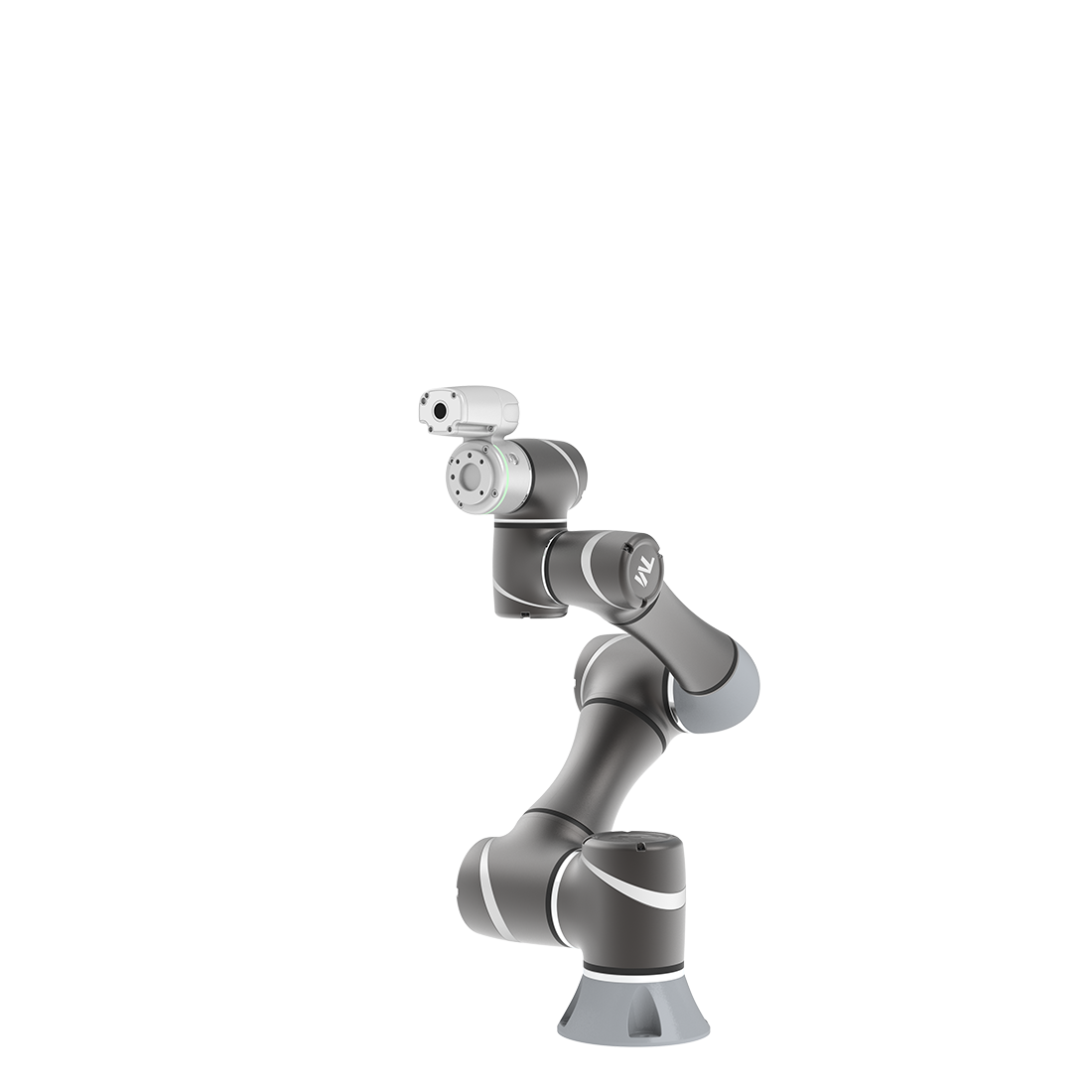
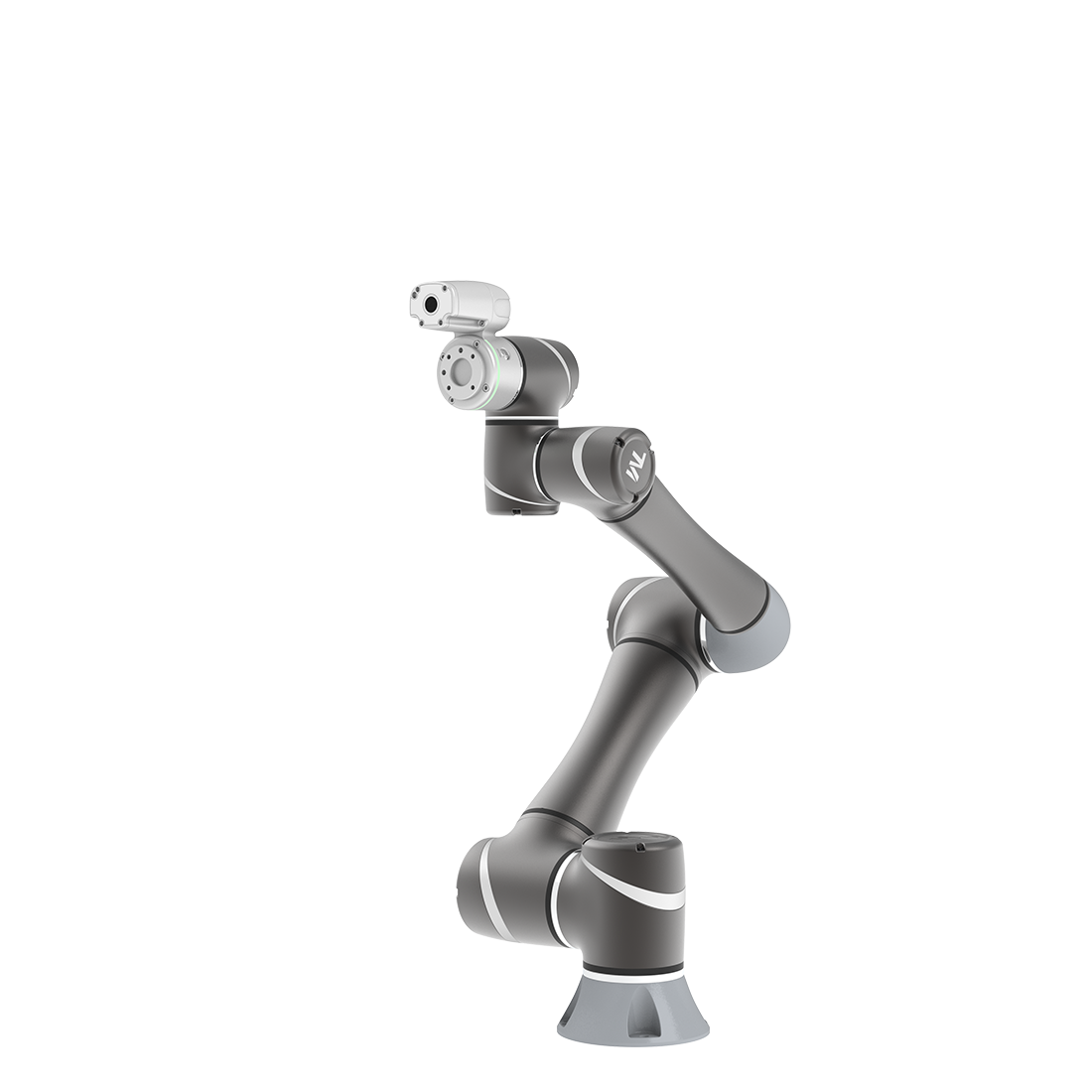
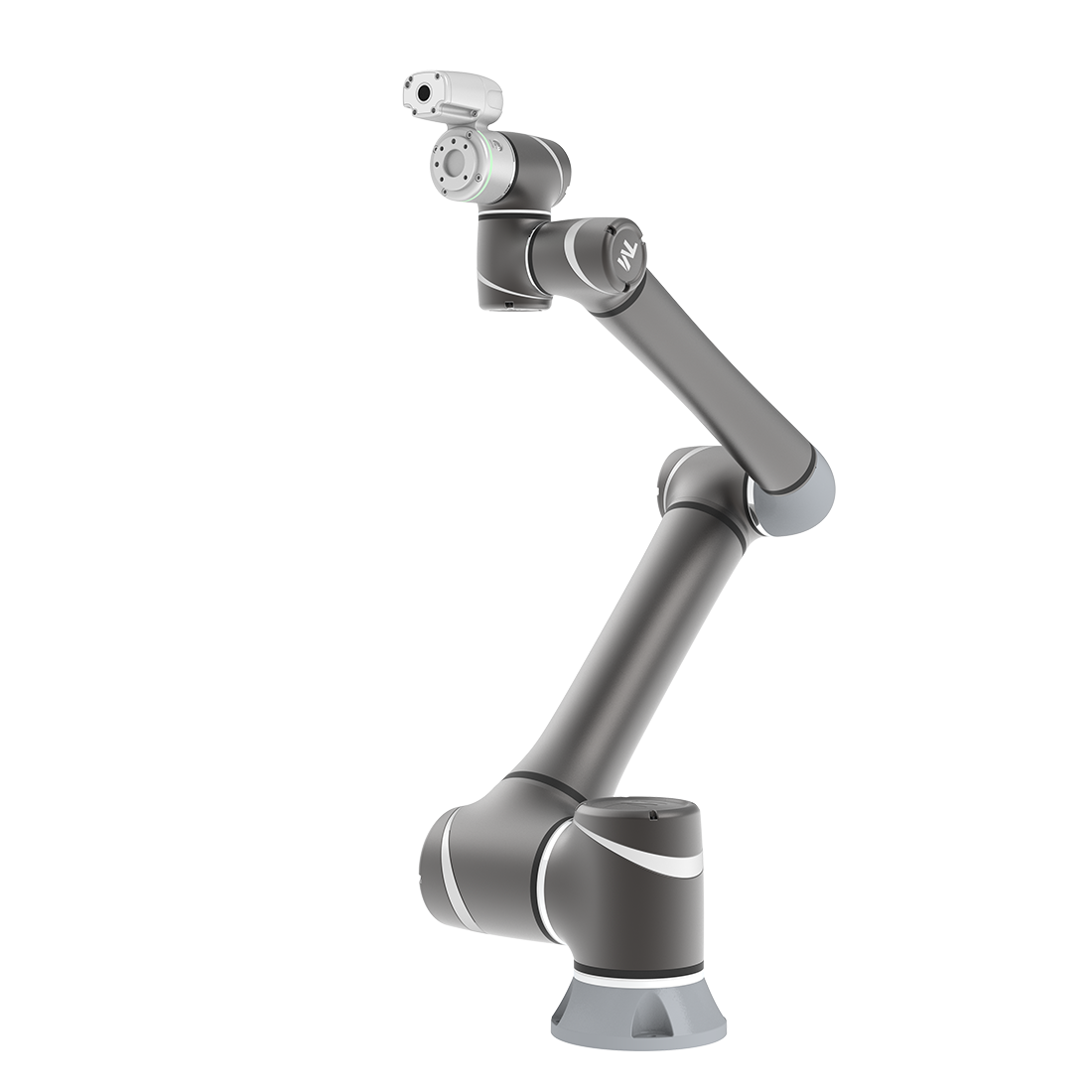
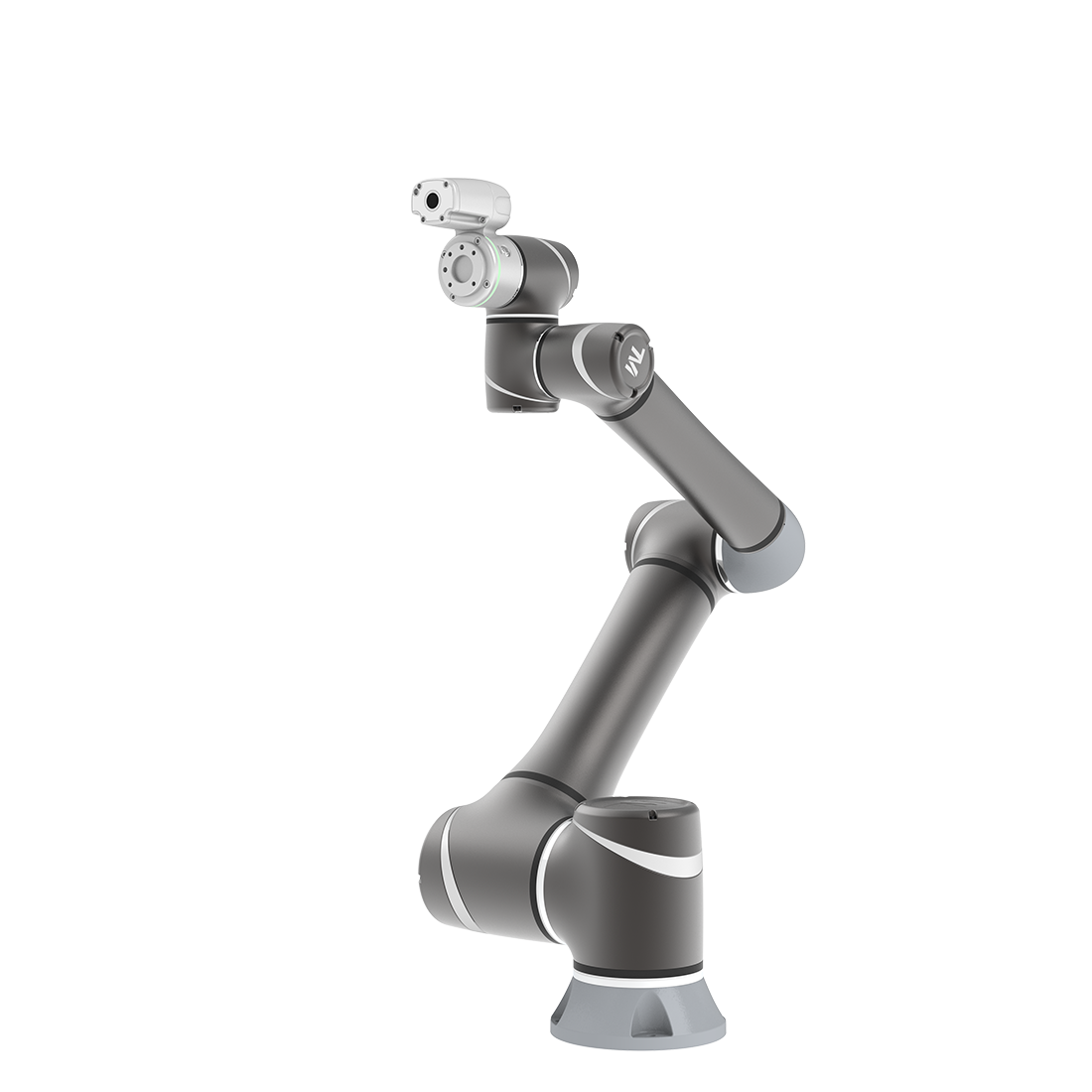
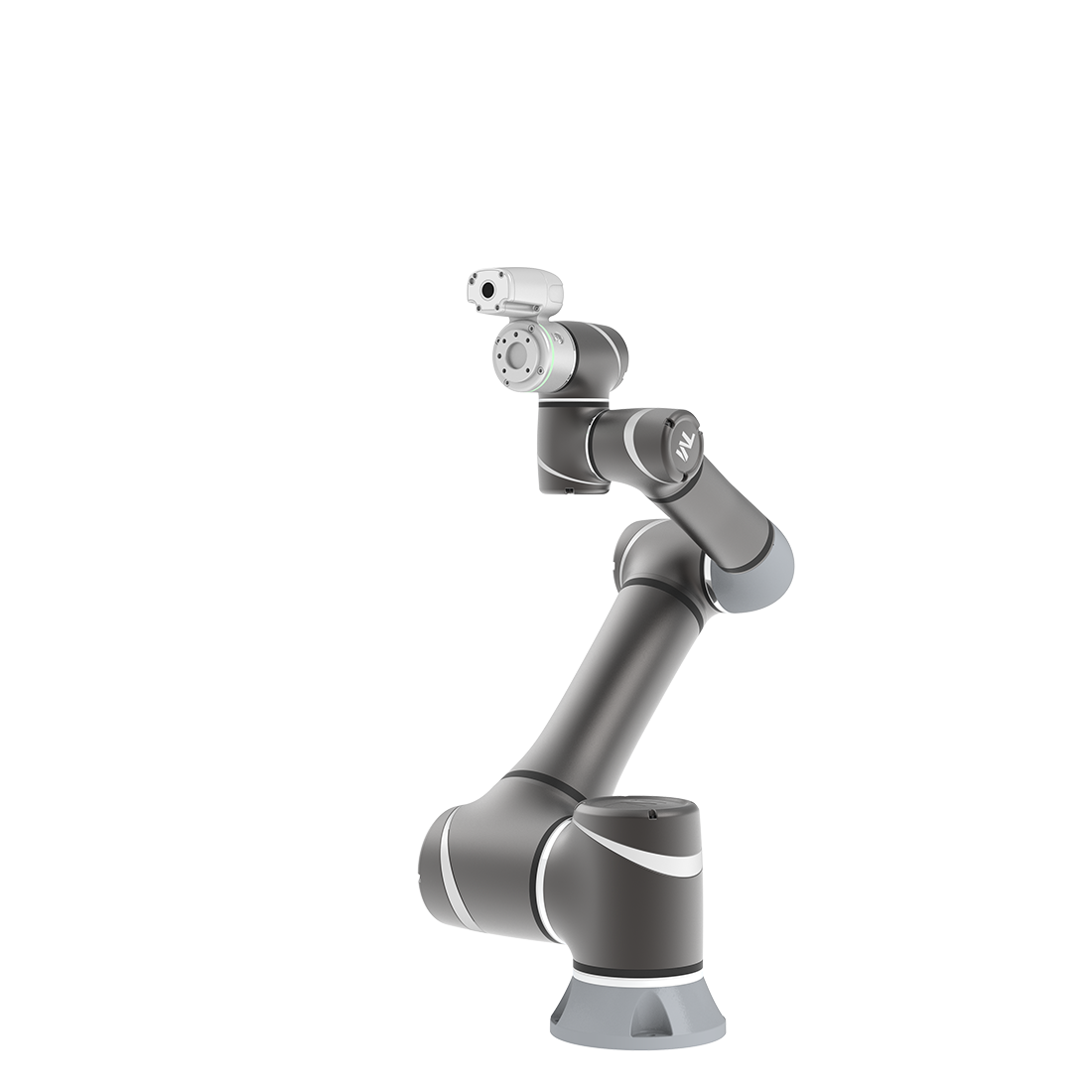
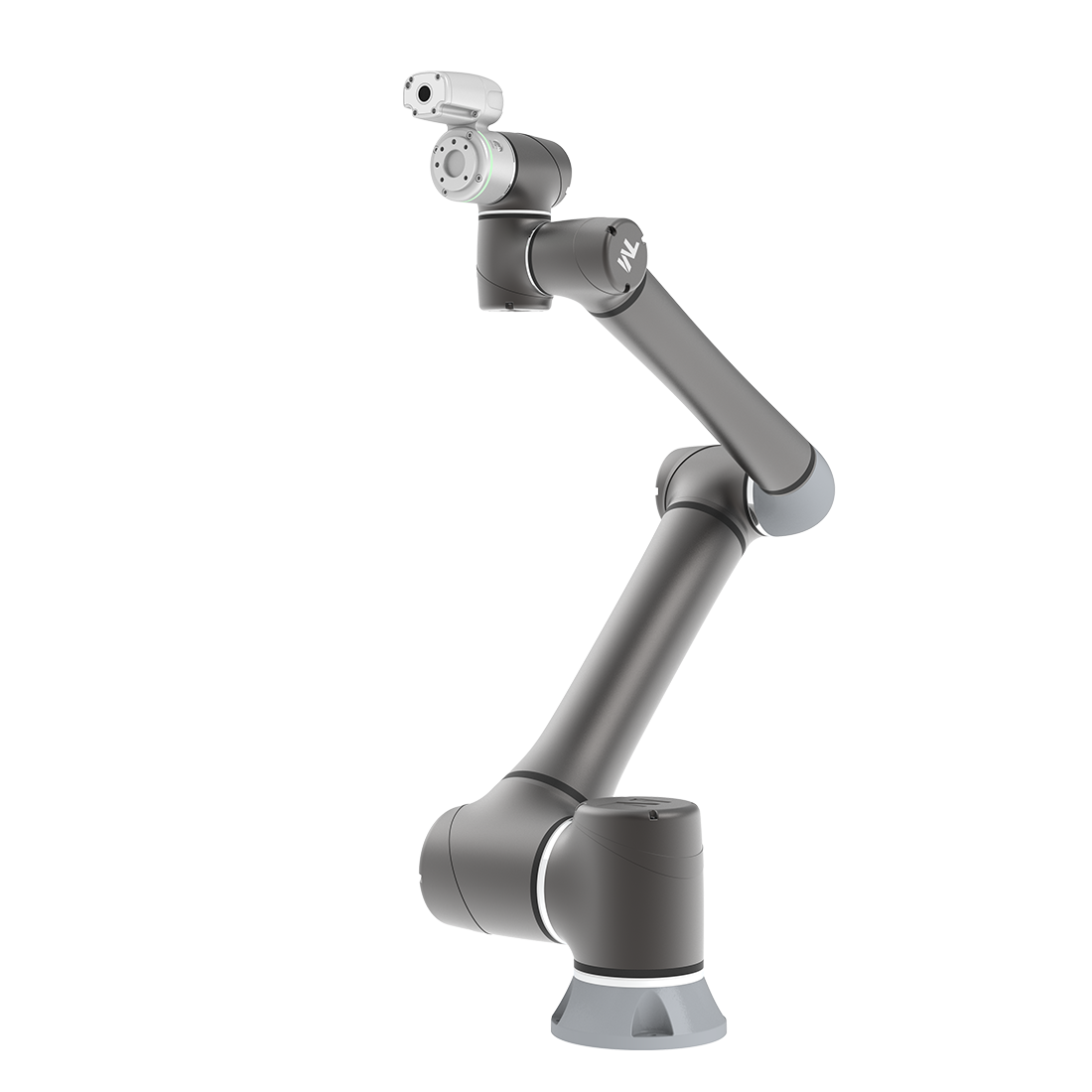
AI-Powered CNC Machine Tending: Techman Robot and Guorui Automation Case Study
2026 / 10 / 15
CNC machine tending can become a production bottleneck when machine availability depends on scarce operators performing repetitive loading and unloading. Techman Robot and Guorui Automation developed a customized solution that combines TM AI Cobot with integrated AI vision to automate defined machine-tending tasks. The approach is designed to help manufacturers improve machine utilization, redeploy labor to higher-value work, and manage operational risk through application-specific integration.
Three CNC Machine-Tending Challenges
Skilled-Labor Constraints and Repetitive Work
Manual loading and unloading require an operator to remain available throughout the machining cycle. For manufacturers running multiple CNC machines, this can increase staffing pressure and make output more sensitive to vacancies, breaks, and shift coverage. Repetitive machine-tending work can also make recruitment and retention more difficult.
Machine Idle Time and Changeover Delays
A CNC machine produces no parts while it waits to be loaded or unloaded. Operator fatigue, competing responsibilities, and changeover work can create gaps between cycles. These delays are especially important in high-mix production, where workpieces, fixtures, and process requirements change frequently.
Operator Exposure and Process Variation
Machine tending may require frequent interaction with the machine opening, workholding equipment, sharp parts, cutting tools, and metal chips. Manual handling can also introduce variation in part placement and cycle execution. Any automation concept must address both process consistency and the safety of the complete cell.
The most practical automation opportunity is a clearly defined transfer between material presentation and the CNC cycle. Establishing a baseline for machine waiting time, operator hours, changeover time, quality losses, and safety requirements gives manufacturers a credible way to evaluate the application.
How the Techman Robot and Guorui Automation Solution Works
Techman Robot and Guorui Automation combined collaborative robotics, application engineering, and integrated vision in a customized CNC machine-tending solution. The cell can be configured around the workpiece, machine interface, cycle time, material flow, and safety requirements of the target process.
Vision-Guided Workpiece Location and Inspection
Depending on the application, 3D vision and AI-based tools can identify workpiece position and orientation for loading, unloading, and handling of loosely presented or irregular parts. The solution can also support defined post-machining checks, such as dimensional or appearance inspection. Actual inspection performance depends on part geometry, lighting, optics, training data, and agreed acceptance criteria, which should be validated during an application test.
Automated Loading and Unloading for Longer Machine Availability
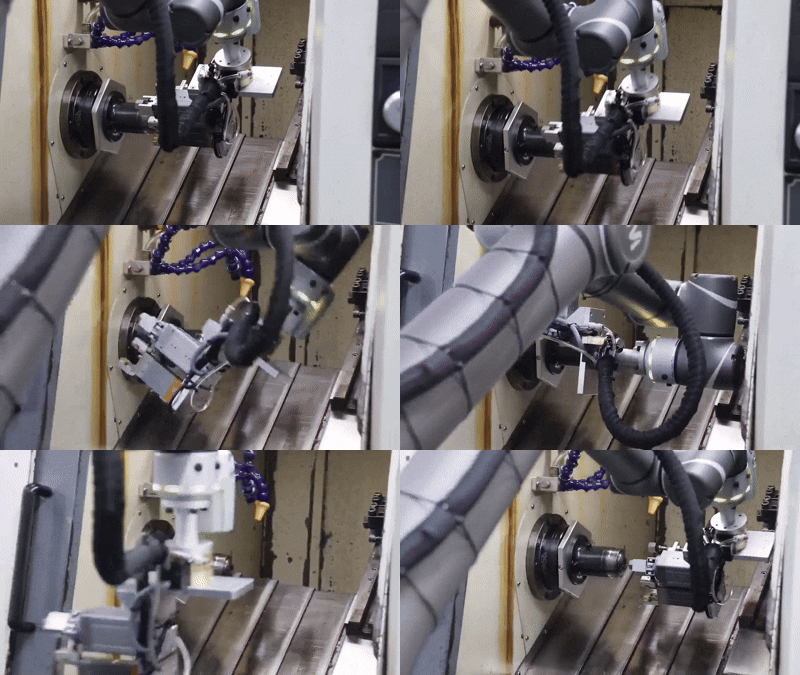
Automated picking, clamping, loading, and unloading can reduce the time a CNC machine waits for an operator and support longer unattended production periods. A single robot may serve more than one machine when reach, layout, cycle-time balance, material flow, and safety design allow it. Manufacturers should confirm the achievable cycle time and machine-utilization improvement in the proposed cell layout rather than assume continuous 24-hour output.
Easier Programming and Changeover for High-Mix Production
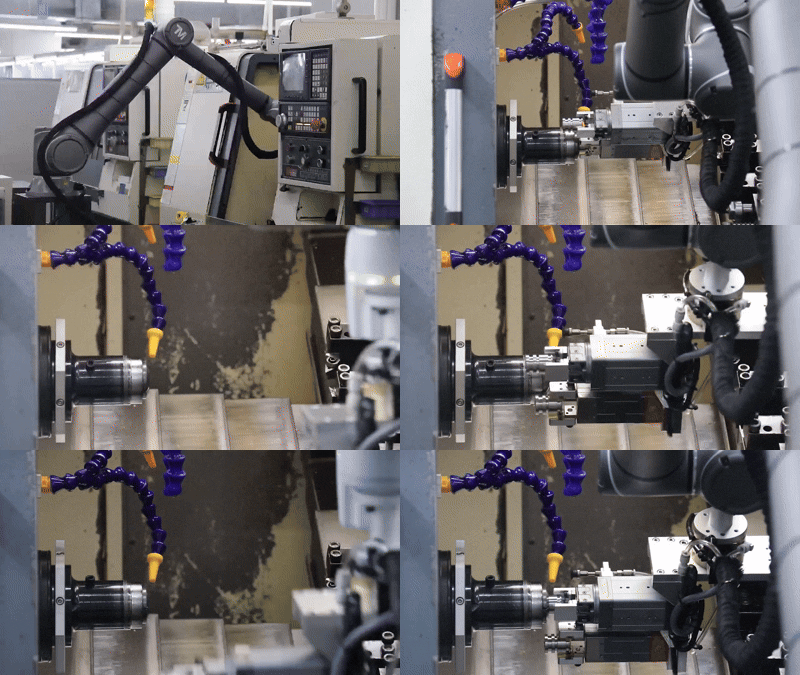
Hand-guided teaching and a graphical programming interface can reduce dependence on specialized robot programming for routine adjustments. This can make changeovers more manageable when a validated process is adapted for a new workpiece. Deployment time and training requirements still depend on tooling, CNC communication, part presentation, inspection scope, and operator experience. Collaborative operation also does not automatically eliminate guarding: the required protective measures must be determined through a risk assessment of the complete application.
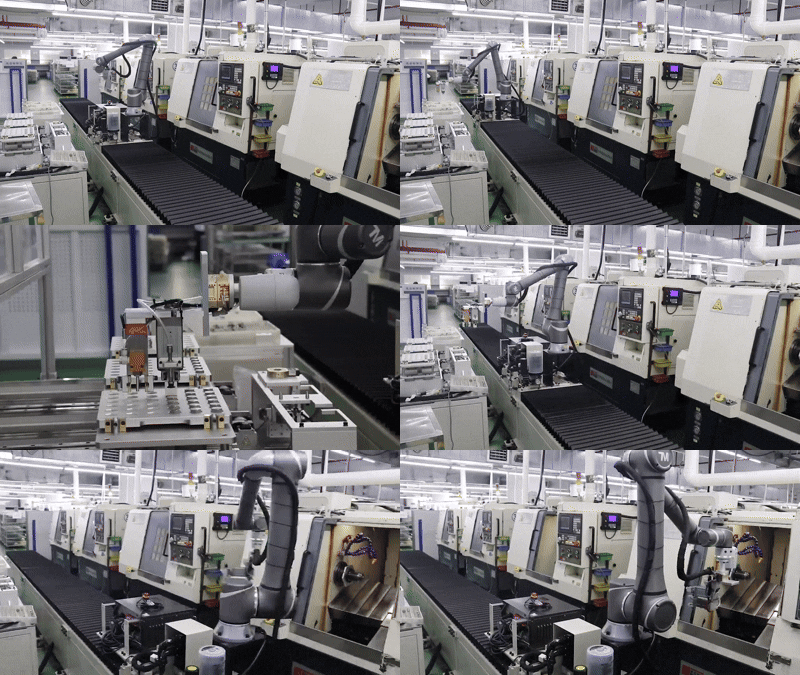
The partnership between Techman Robot and Guorui Automation gives CNC manufacturers a structured path to evaluate machine-tending automation without relying on broad productivity promises. Start with one constrained process, document the baseline, validate part handling and cycle time, complete the cell risk assessment, and compare the measured result with the business case. Discuss your CNC application with Techman Robot and Guorui Automation to define the technical scope and pilot criteria.
What Manufacturers Should Validate Before Deployment
Application fit and baseline
Document part dimensions and presentation, CNC interface requirements, current cycle time, machine waiting time, operator involvement, changeover frequency, and quality criteria. These inputs define both the technical concept and the ROI model.
Pilot acceptance criteria
Agree in advance on measurable targets for part detection, pick success, loading accuracy, cycle time, recovery from common faults, inspection results, and operator training. Test representative parts and production conditions before approving rollout.
Cell safety and integration scope
Evaluate the complete application, including the robot, gripper, workpiece, CNC machine, access points, speeds, forces, and interaction with personnel. The risk assessment determines whether guarding, scanners, interlocks, speed limits, or other protective measures are required.
Frequently Asked Questions
What is CNC machine tending?
CNC machine tending is the loading of raw workpieces into a machine tool and the removal of finished parts. A robotic system can also coordinate related steps such as part presentation, door or chuck interaction, cleaning, and defined inspection tasks when these functions are included in the cell design.
Can one cobot tend multiple CNC machines?
It may be possible, but the answer depends on robot reach, machine spacing, process cycle times, material flow, end-of-arm tooling, and safety requirements. A simulation or application test should confirm whether one robot can serve the proposed machines without creating a new bottleneck.
Does a collaborative CNC cell require safety fencing?
Collaborative robot features do not remove the need for a complete application risk assessment. The result of that assessment determines whether the cell can operate without conventional fencing or requires guarding, interlocks, scanners, reduced speeds, or other protective measures.
How should manufacturers evaluate the ROI of machine tending?
Compare the proposed system cost with measurable operating inputs such as machine waiting time, operator hours, output, overtime, scrap or rework, changeover time, maintenance, training, and integration costs. Use pilot results where possible instead of relying only on projected utilization.