Eliminating Manual Calibration: Seamless Pick-and-Place Replication for AMRs
2026 / 05 / 07
Background and Customer Requirements
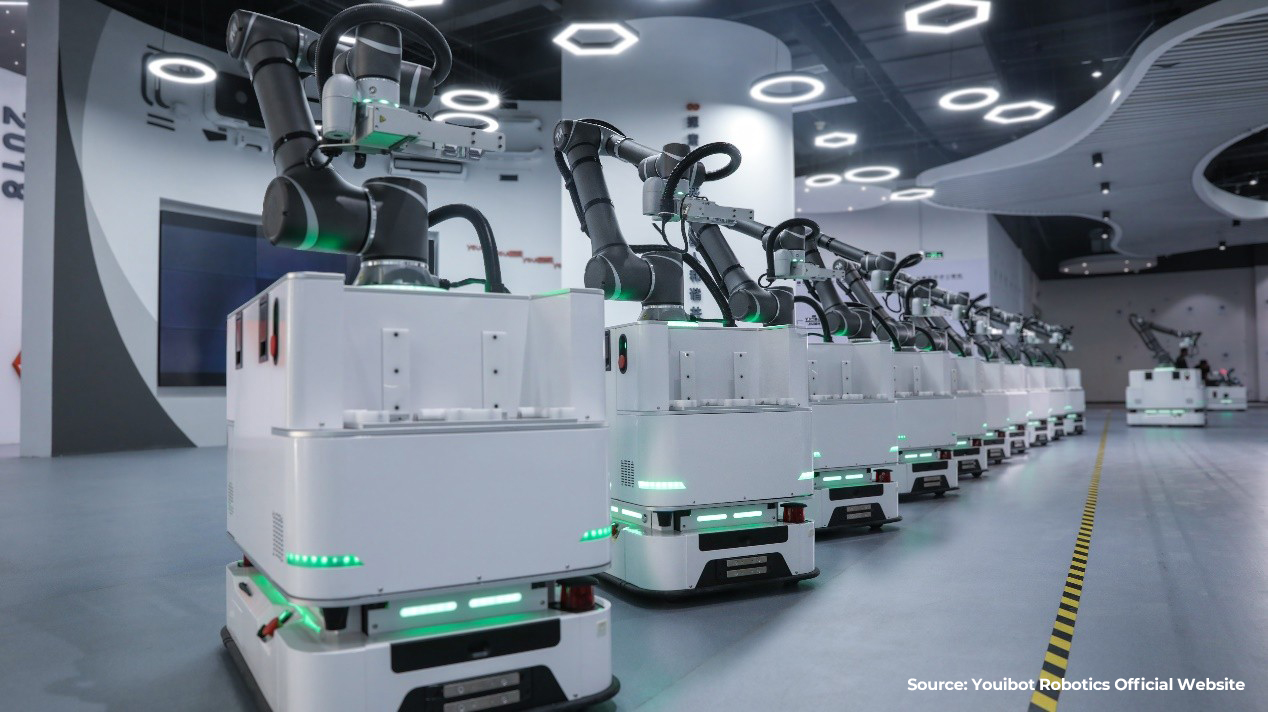
In applications where Autonomous Mobile Robots (AMR) are integrated with robotic arms, systems typically use TM Landmarks—attached to each slot of a multi-layer material rack (E-Rack)—as positioning benchmarks. Engineers use these Landmarks as a base to teach the robotic arm how to precisely pick and place materials (FOUP) in each slot. Ideally, once a pick-and-place motion is taught for one slot, it should be applicable to all other slots on the rack.
Challenges
Reality is often more complex. As a robotic arm moves to different positions, it inherently generates non-linear errors. Furthermore, the Landmarks attached to each slot are rarely 100% consistent in their actual physical position or tilt angle.
These minute deviations result in physical offsets when the robotic arm moves to a designated location. In severe cases, this can lead to collisions or interference. To compensate for these errors, system integrators previously had to manually fine-tune every single slot—a process that was extremely time-consuming and labor-intensive.
The Solution
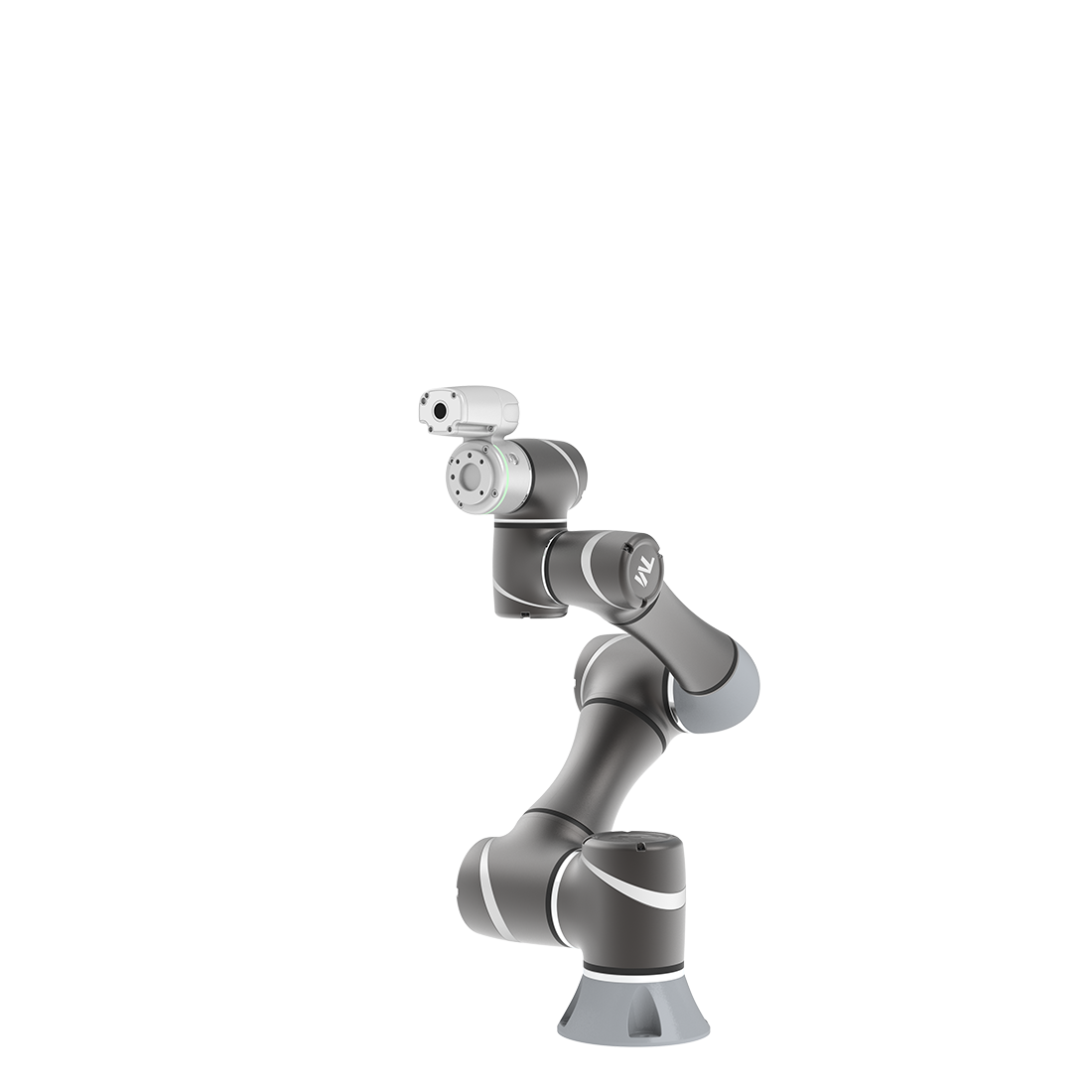
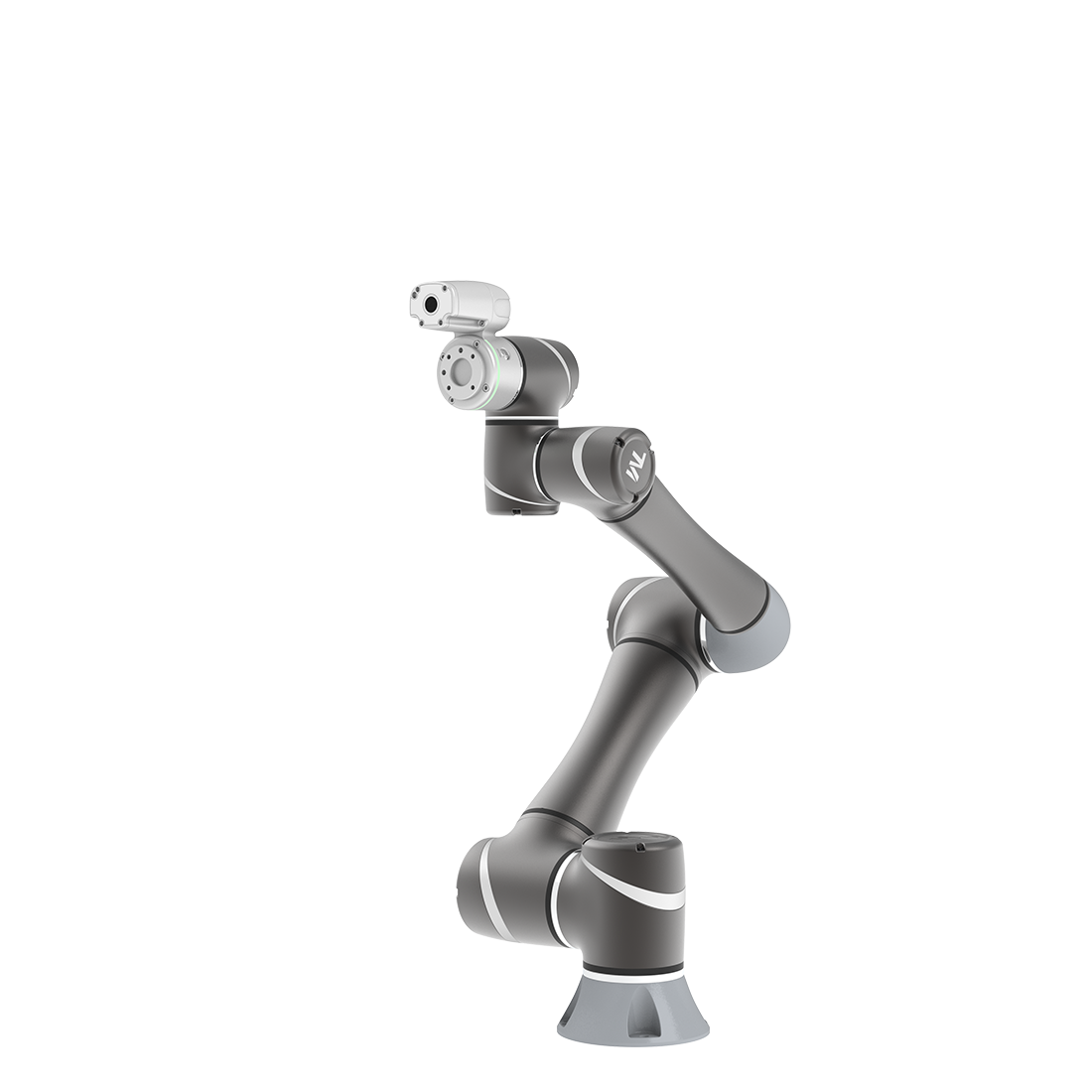
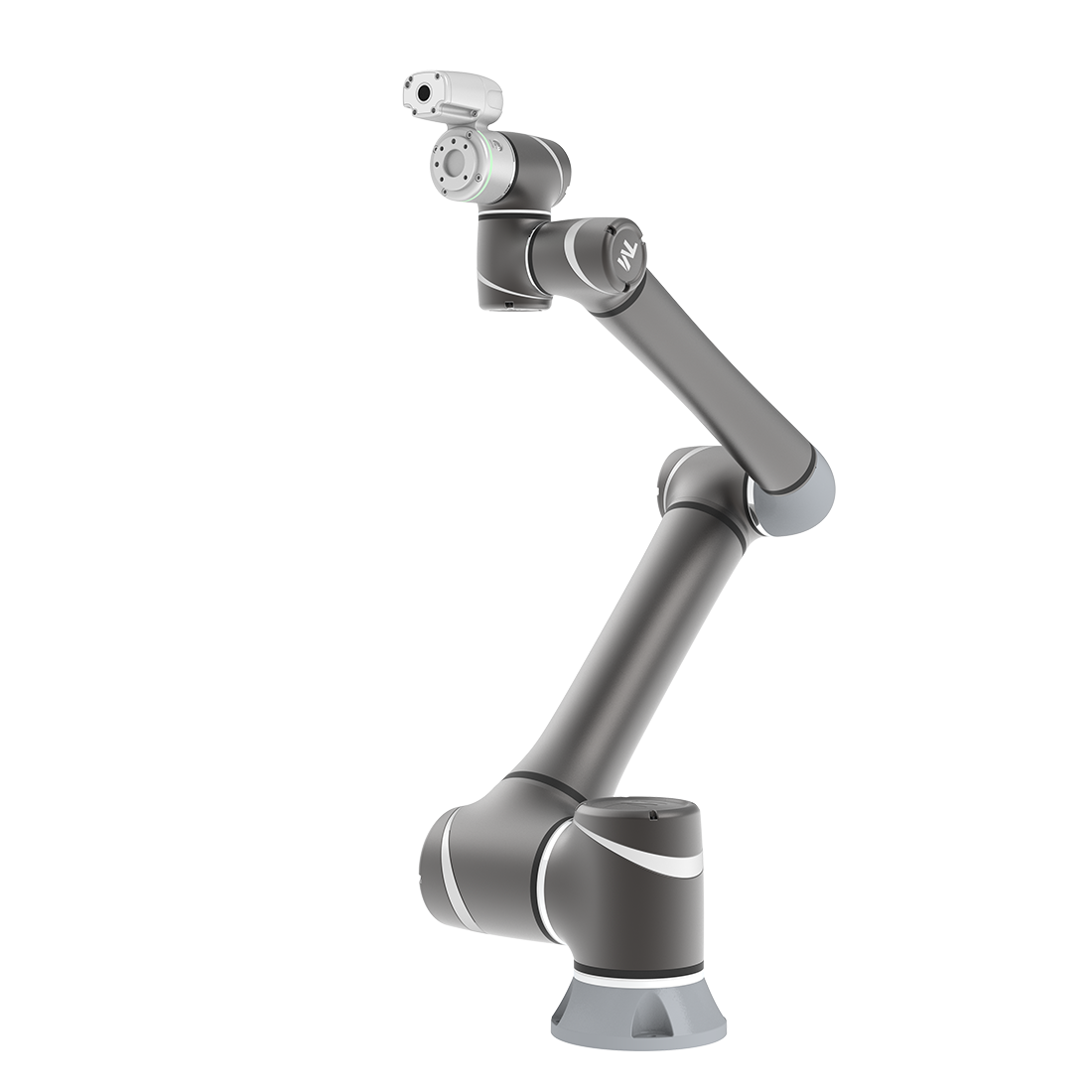
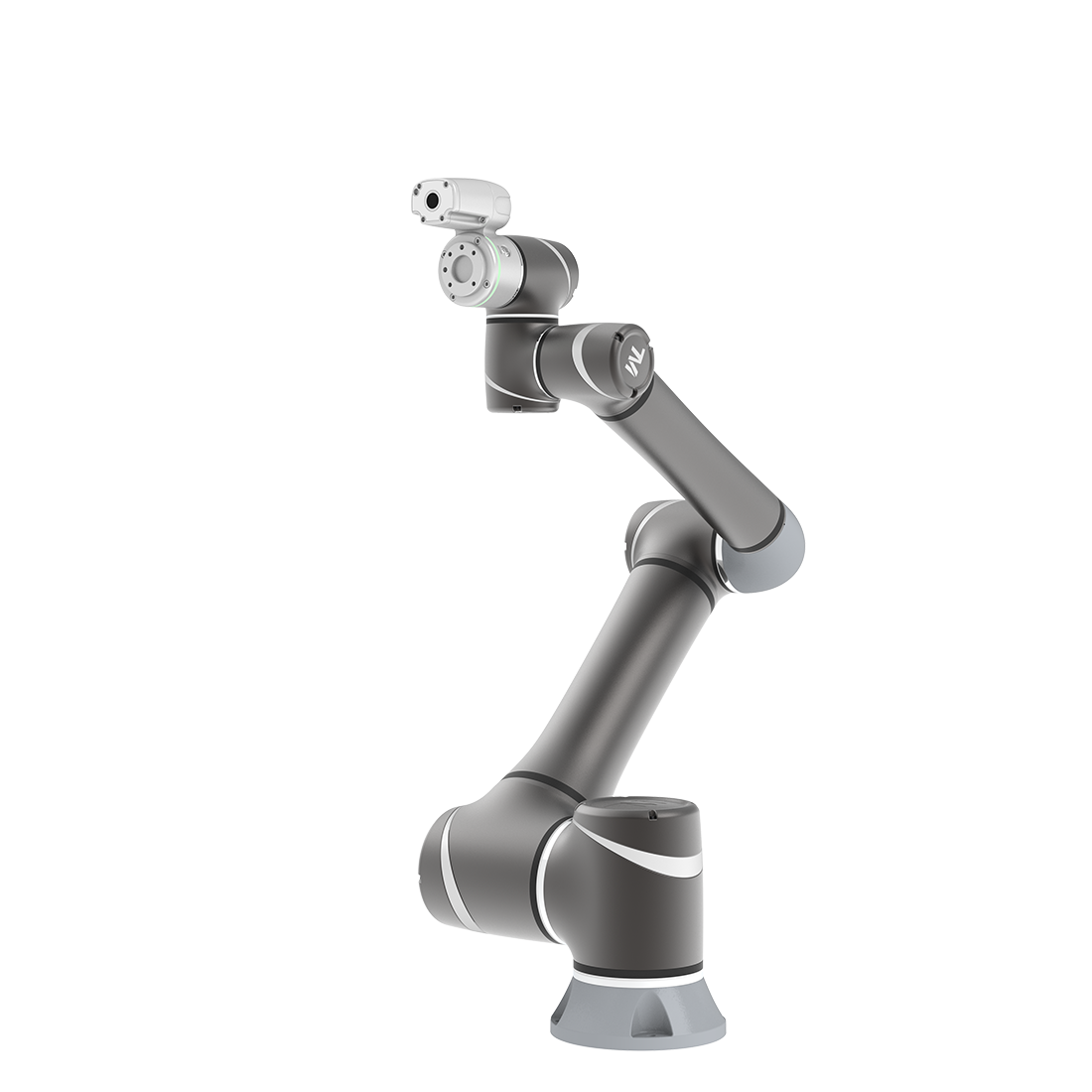
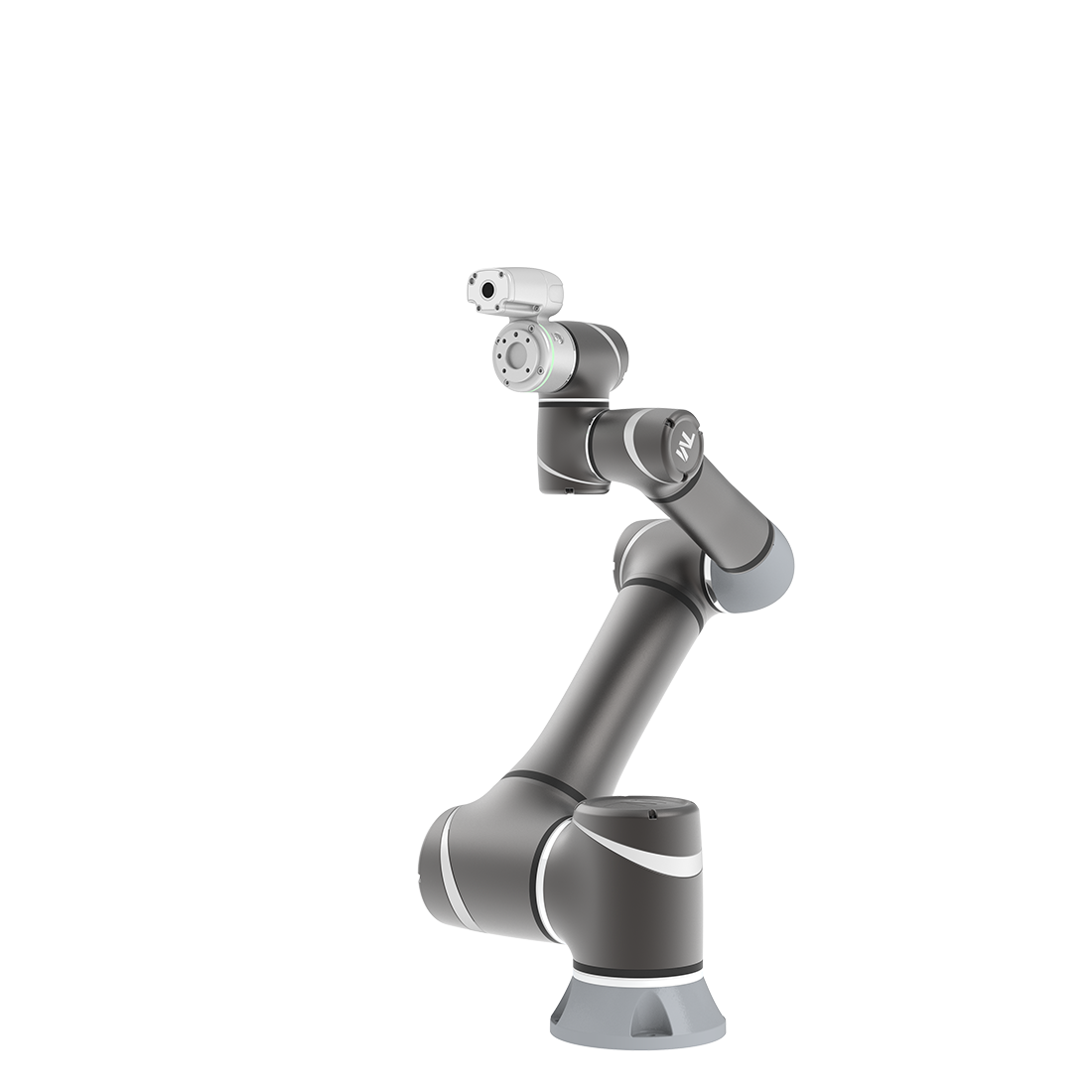
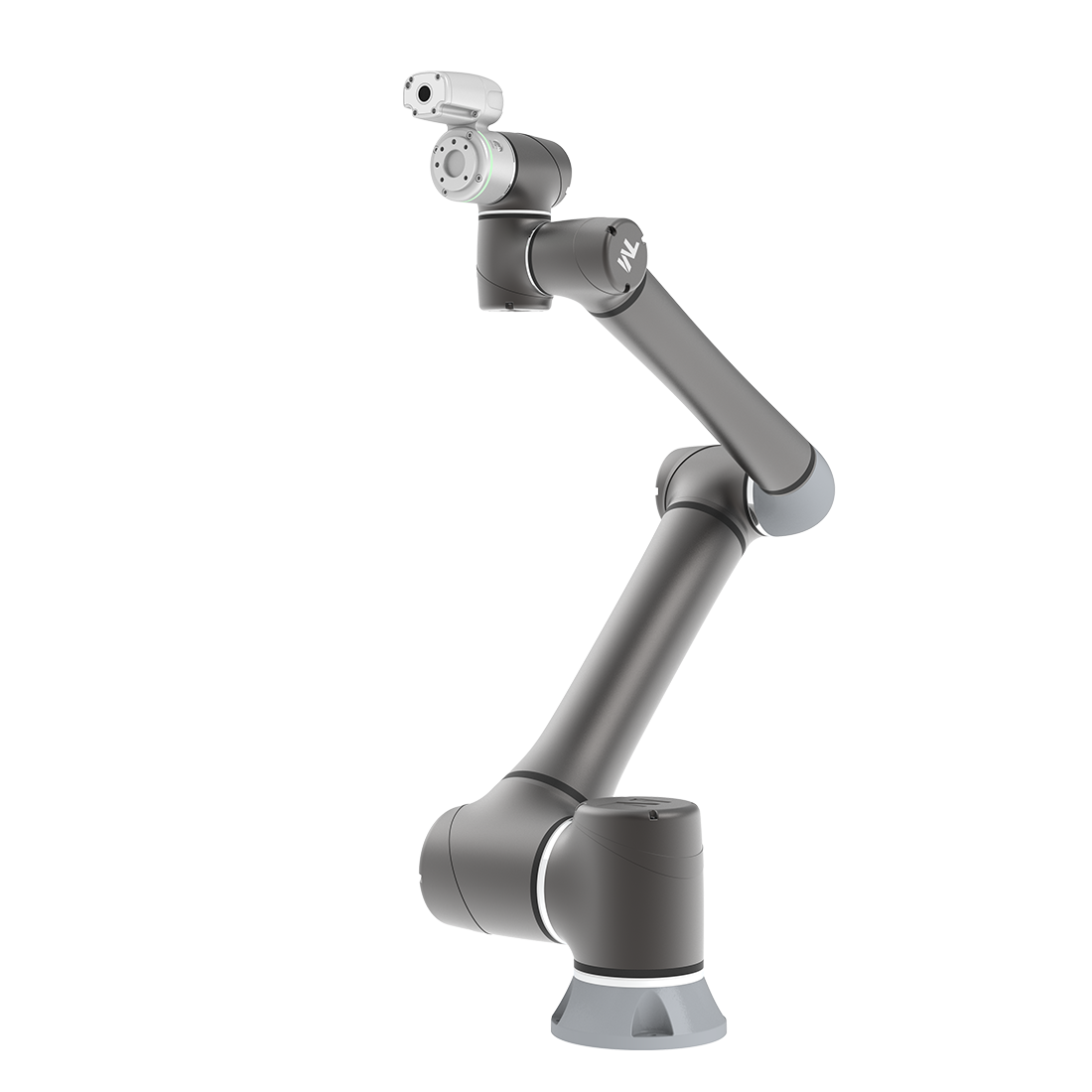
Techman Robot has introduced an ingenious Intelligent Cloning Workflow solution. Instead of manual fine-tuning, engineers introduce a specialized Jig that also features a Landmark. Engineers only need to teach the robotic arm the "perfect" pick-and-place point on this Jig once. Subsequently, the robotic arm uses its built-in smart vision to capture images of both the original slot's Landmark and the Jig’s Landmark. The system automatically calculates the relative relationship between the two, allowing the pick-and-place coordinates to be seamlessly transferred from the Jig to the next slot without any manual re-teaching.
Results and Benefits
This solution controls pick-and-place errors within a precise range of ±1mm while significantly reducing time costs. Consider a factory with 100 slots: traditional manual tuning for each slot would take 10 minutes, totaling 1,000 minutes.
With the Intelligent Cloning Workflow, initial teaching takes only 10 minutes, and each of the remaining 99 slots requires only 1 minute for the robot to perform vision recognition. Total deployment time drops from 1,000 minutes to just 110 minutes—a 90% reduction in time—while also drastically lowering the risk of human error.
Conclusion
The Intelligent Cloning Workflow successfully replaces the labor-intensive manual commissioning of the past. When faced with complex tasks involving multiple slots at the same station, enterprises can finally achieve rapid motion replication and precision deployment with ease.