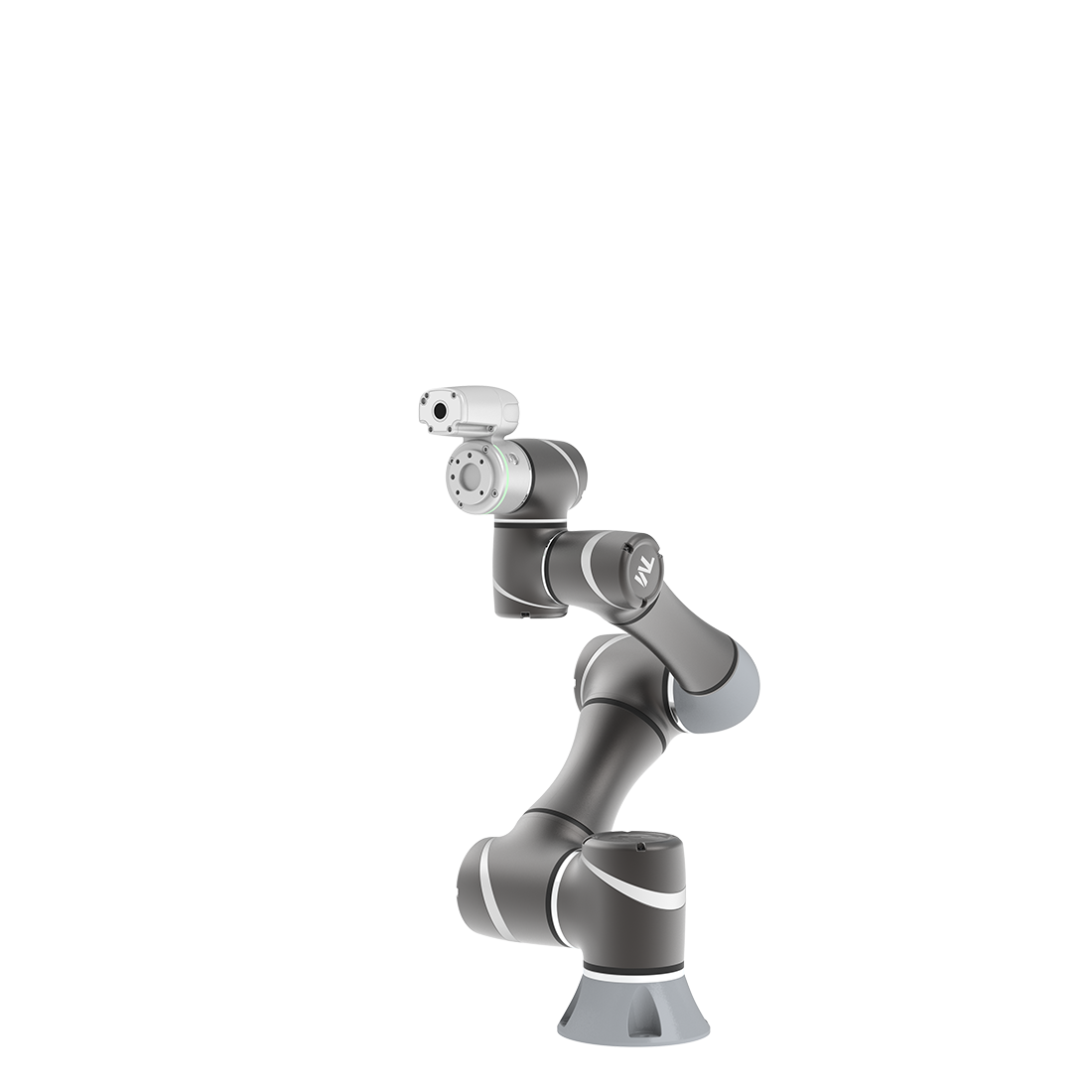
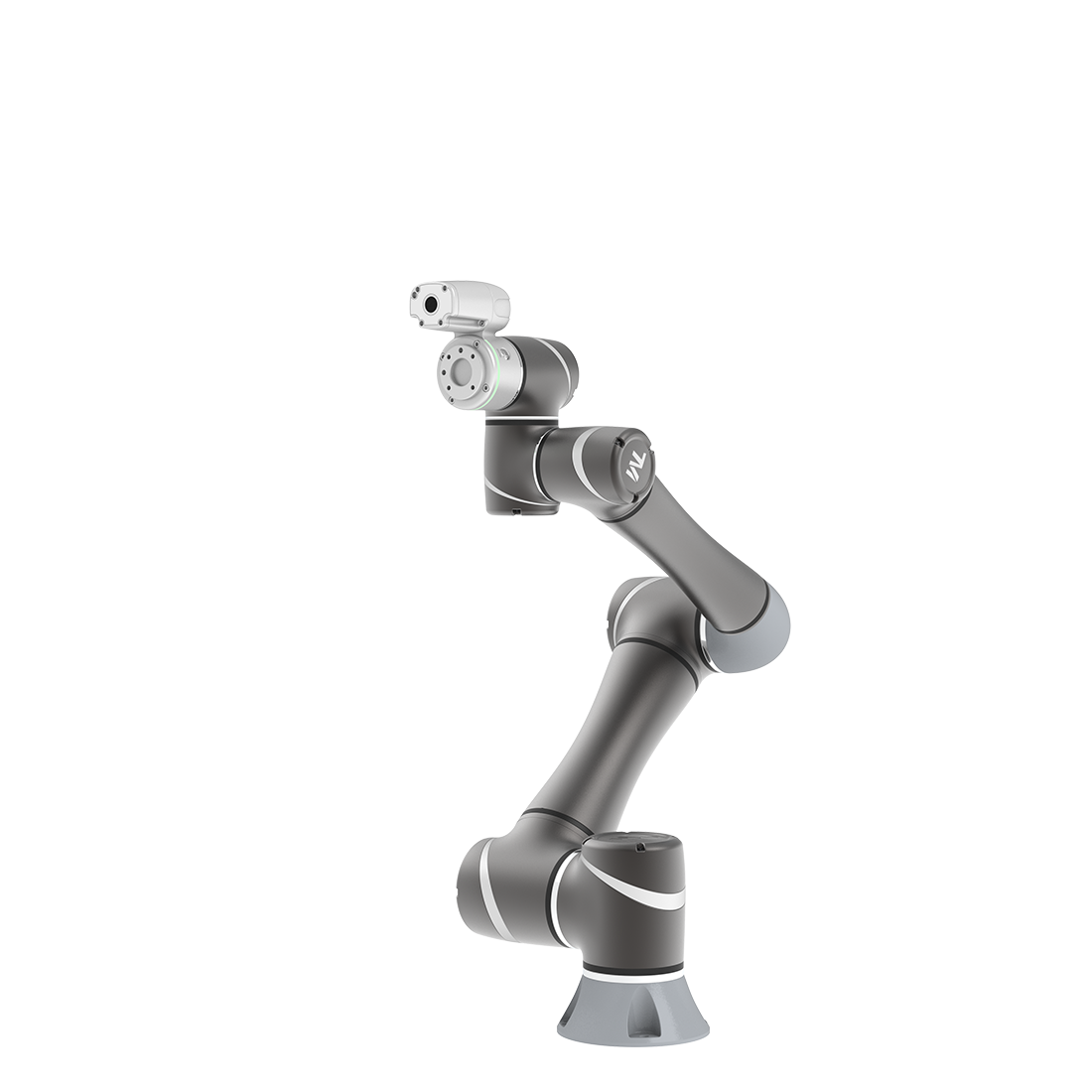
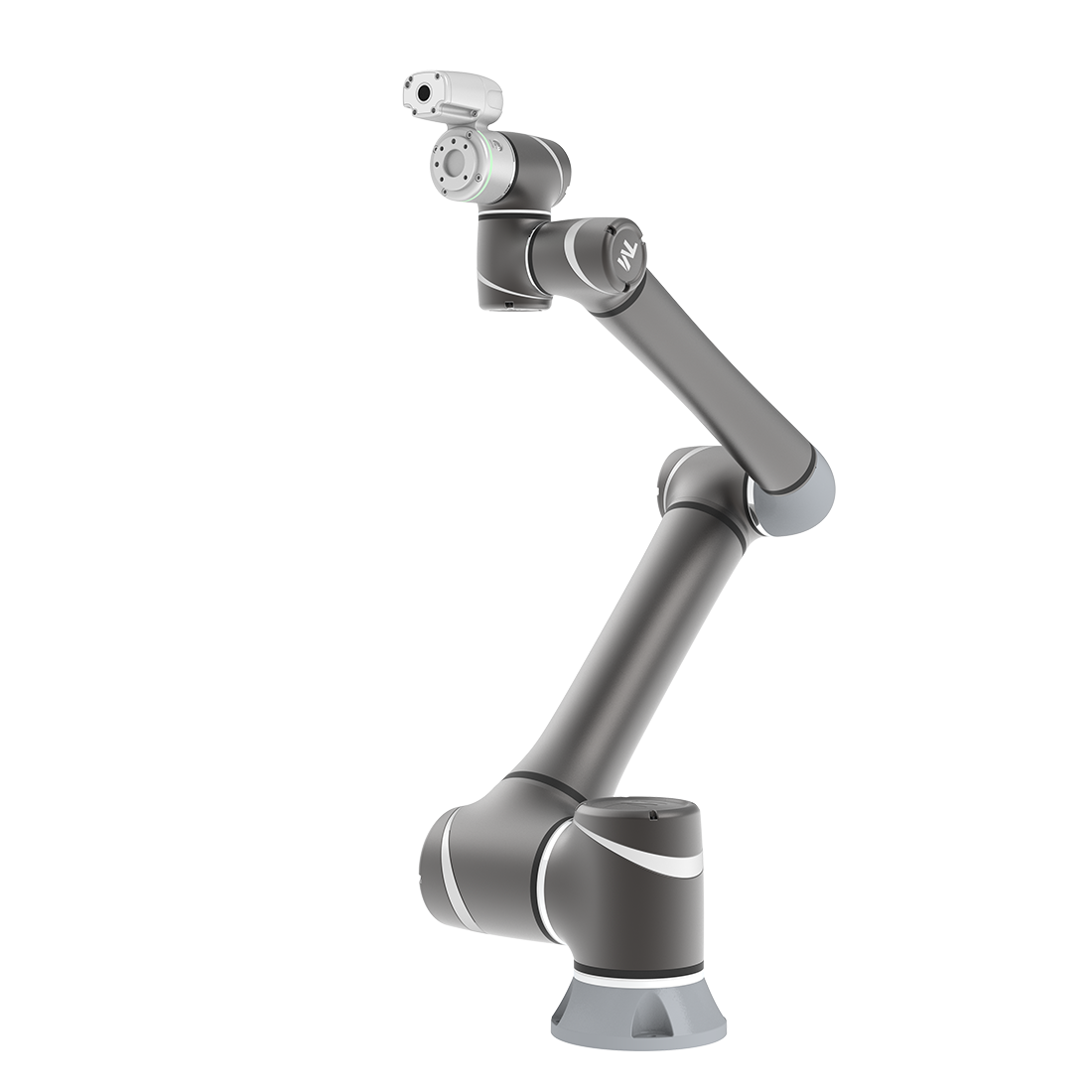
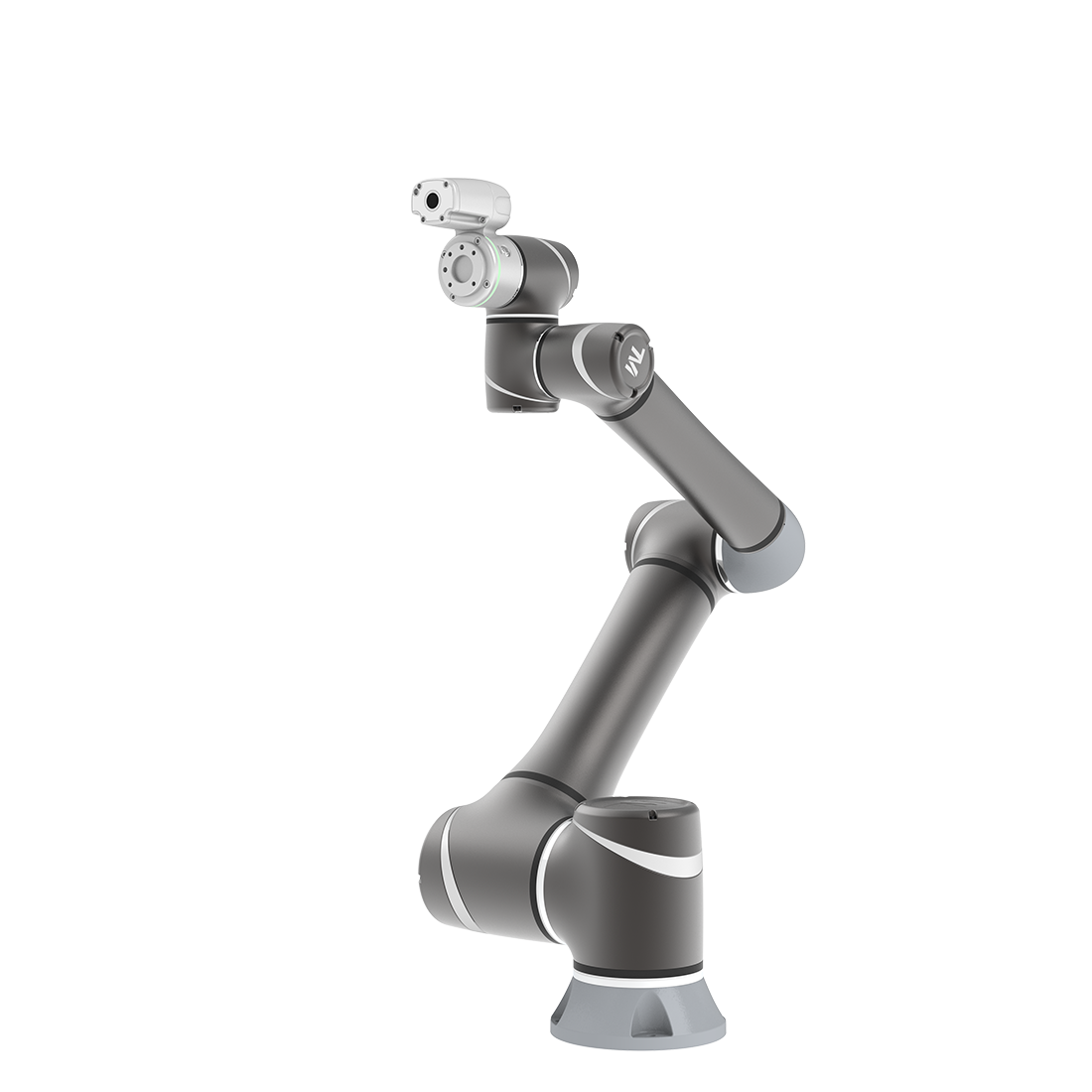
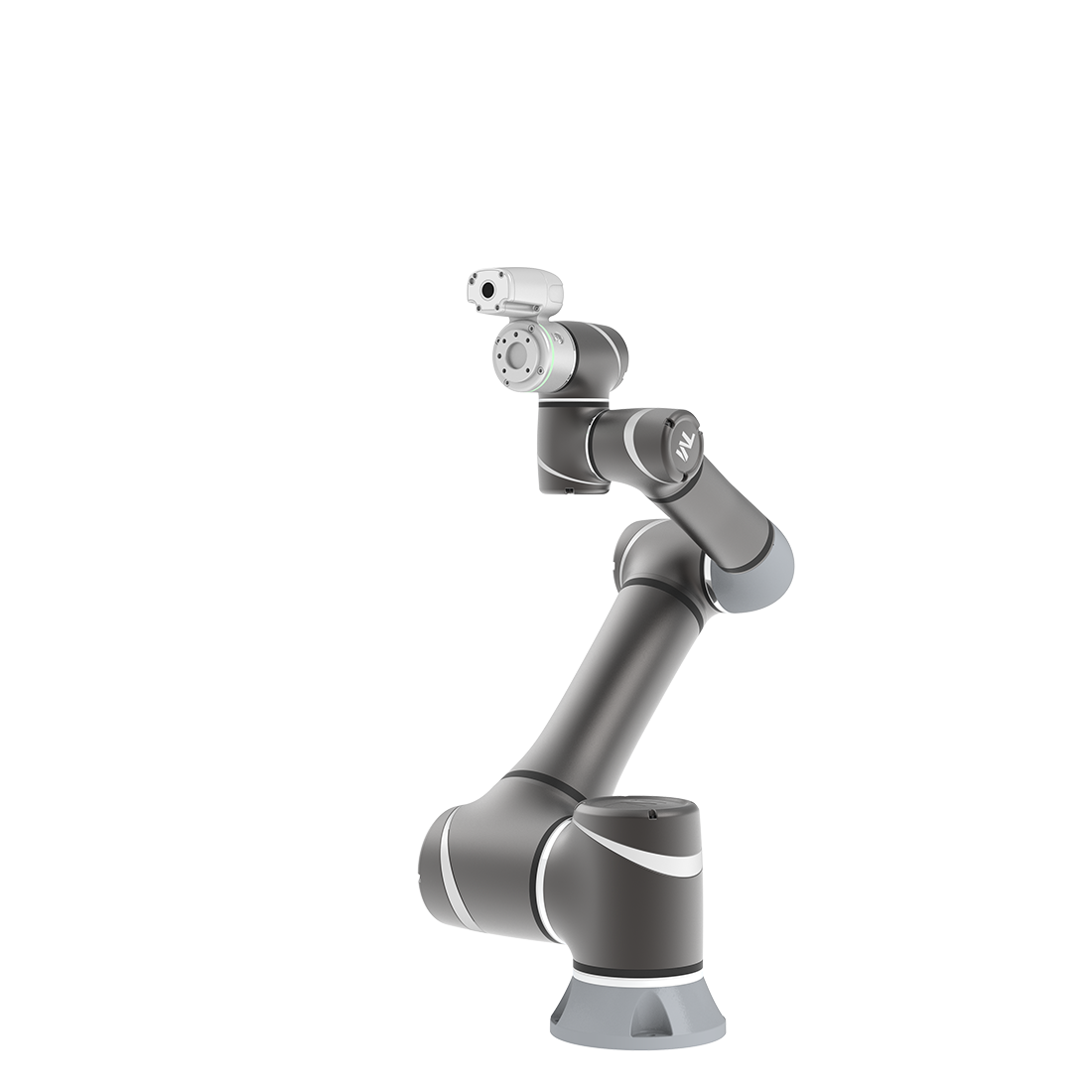
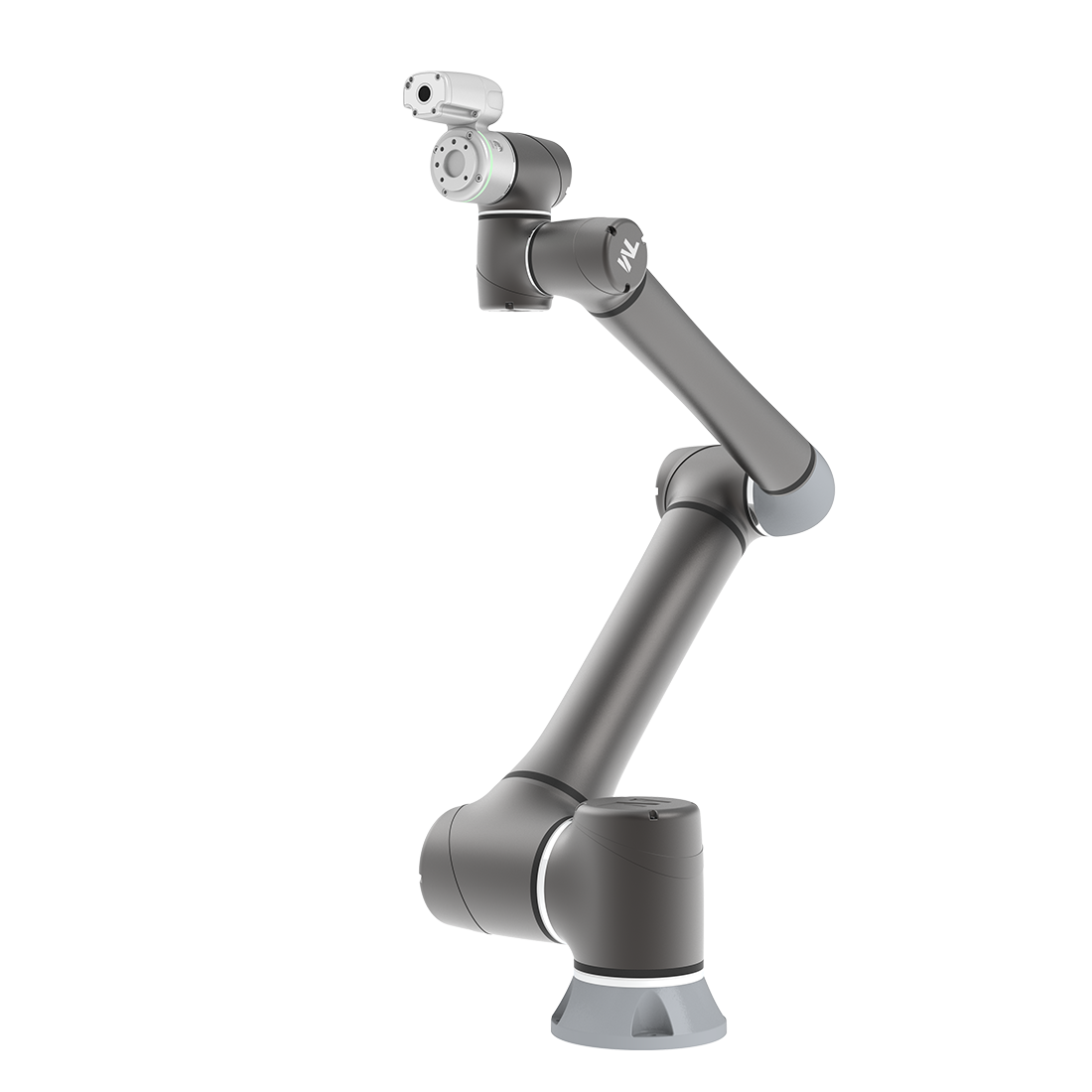
Electronics manufacturers need flexible automation that can handle precision tasks, support consistent quality, and adapt to changing production requirements. TM AI Cobot combines a collaborative robot arm with built-in AI vision, enabling one integrated system to locate workpieces, interpret visual information, and execute defined production tasks.
In PCBA assembly and industrial-camera production, this combination can automate targeted workflows that are difficult, repetitive, or sensitive to variation. The following three applications show how manufacturers can reduce operator exposure, improve process consistency, and introduce AI-powered automation into SMT and inspection processes.
Application Scenarios
Removing Connector Protection Caps from PCBAs After Reflow
During SMT assembly, printed circuit board assemblies (PCBAs) remain hot after passing through the reflow oven. Removing connector protection caps at this stage requires precise positioning, consistent handling, and limited operator contact with hot workpieces. Manual removal can expose operators to heat, introduce handling errors, and create a bottleneck in the SMT process.
TM AI Cobot uses built-in AI vision to identify and locate the protection caps within a unified vision-and-robot workflow. Positioning accuracy reaches 0.1 mm, allowing the robot to adjust its pose and remove the caps quickly and accurately without direct operator handling.
Operational Value:
Integrating vision and robotic motion in one system reduces manual handling at this high-temperature stage while supporting repeatable operation. For PCBA manufacturers, the application provides a focused way to improve operator safety, process stability, and throughput on SMT lines.
Automated AI Inspection for Industrial-Camera Lens Modules
Industrial-camera lens modules contain multiple critical inspection points, including the lens, housing, PCBA components, flexible printed circuit (FPC), label, and adhesive volume. Small defects can affect final product performance. Manual inspection can miss subtle defects, produce inconsistent judgments, and struggle to keep pace as production volume increases.
TM AI Cobot automates image capture from multiple angles and applies an AI deep neural network model to inspect critical areas. The system can identify missing components, damage, assembly omissions, and missing adhesive, combining AI inspection and machine vision in a repeatable workflow.
Operational Value:
Compared with manual inspection, this approach helps increase inspection throughput, reduce missed defects and false rejects, and maintain more consistent quality decisions. Automating a clearly defined inspection step can also reduce process costs associated with rework and defective products.
Automated Cleaning and Dust Removal for SMT Feeder Carts
Loose components, dust, and other foreign matter can accumulate on SMT feeder carts over time. Without regular cleaning, these contaminants can affect pick accuracy and placement quality, increasing production risk and reducing line performance. The task is repetitive but important to maintaining stable SMT operations.
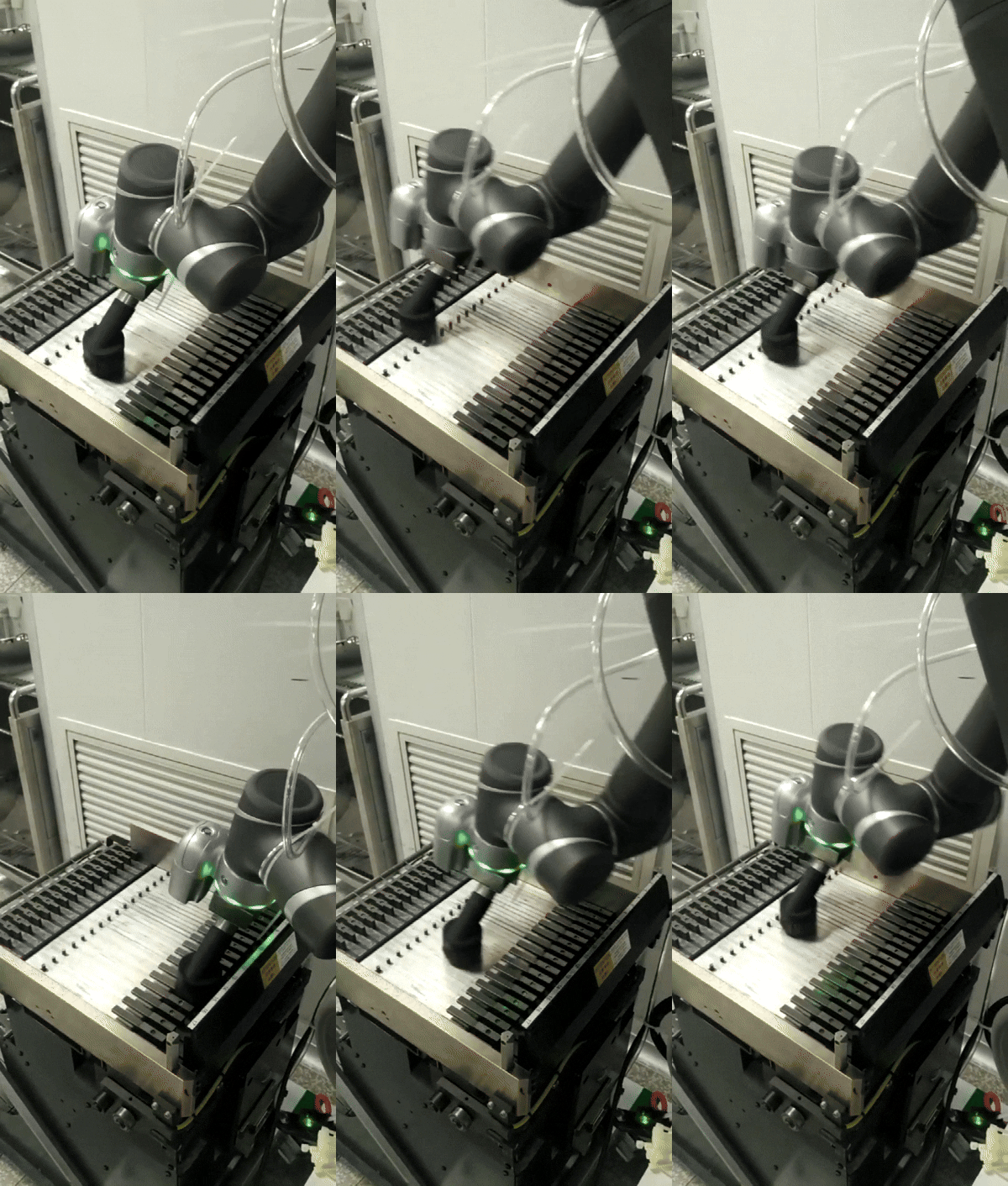
TM AI Cobot automates feeder-cart cleaning before feeders are loaded. Built-in AI vision locates the cart surface, corners, and other priority areas, guiding the robot through a consistent cleaning and dust-removal process based on the plant's defined cleanliness requirements.
Operational Value:
Automated cleaning reduces dependence on repetitive manual work and supports consistent cleaning quality. By lowering the risk of incomplete cleaning, the application helps PCBA manufacturers maintain placement performance, strengthen process control, and use labor more effectively.
A Practical Path to AI-Powered Electronics Manufacturing
These three applications address distinct production needs: precision handling after reflow, automated inspection of industrial-camera lens modules, and preventive cleaning of SMT feeder carts. In each case, built-in AI vision enables TM AI Cobot to see the work area, interpret application-specific information, and act within a defined workflow.
A practical starting point is a focused process where labor, quality, safety, or throughput constraints are clearly understood. Discuss your application with Techman Robot to evaluate where an AI cobot can deliver measurable operational value in your electronics manufacturing workflow.
Frequently Asked Questions
What is an AI cobot in electronics manufacturing?
An AI cobot combines collaborative robot with AI-enabled capabilities such as machine vision. In the applications described here, TM AI Cobot uses built-in AI vision to locate workpieces, inspect defined features, and guide automated tasks within electronics manufacturing workflows.
How does AI vision support SMT automation?
AI vision provides visual information that helps the robot locate components or equipment areas and adjust its actions for the defined task. This supports applications such as post-reflow cap removal, inspection, and feeder-cart cleaning.
Which electronics manufacturing process should be automated first?
Start with a clearly defined process where repetitive work, operator exposure, quality variation, or throughput constraints can be measured. This makes it easier to evaluate technical feasibility and compare operational performance before and after automation.