AI-Powered FVI Defect Detection for PCBs — 99.99% Accuracy with a 15-Minute Training Time
2026 / 07 / 15
A major electronics manufacturer replaced manual final visual inspection (FVI) with Techman Robot's TM AI Cobot, achieving 99.99% inspection accuracy on PCB damaged/missing part detection, cutting inspection manpower by 50%, and training the AI model with only 70 images in 15 minutes.
Why Manual PCB Inspection Was Failing
Manual inspection could no longer keep pace with production — it was slow, costly, and missed small defects. In fast-paced electronics manufacturing, verifying product quality before packaging is critical, but the customer's human inspectors faced three persistent problems:
- Small anomalies were missed. Human inspectors could not consistently identify tiny defects such as damaged or missing components on printed circuit boards (PCBs).
- Volume outpaced capacity. High-volume production demanded rapid, scalable inspection that matched cycle times.
- Labor costs kept rising. Heavy dependence on manual inspection increased operating costs and introduced inconsistency between inspectors and shifts.
How Did the TM AI Cobot Solve It?
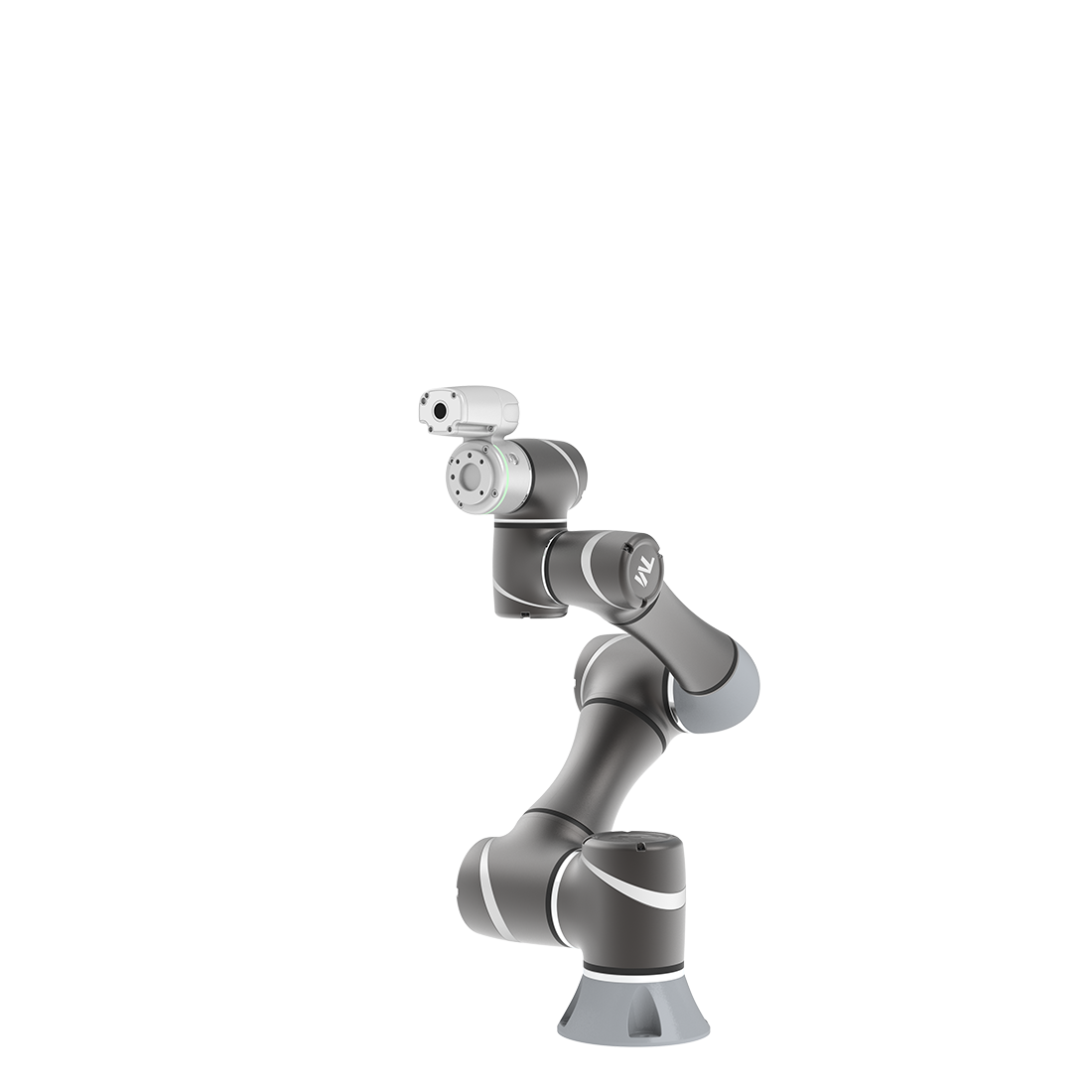
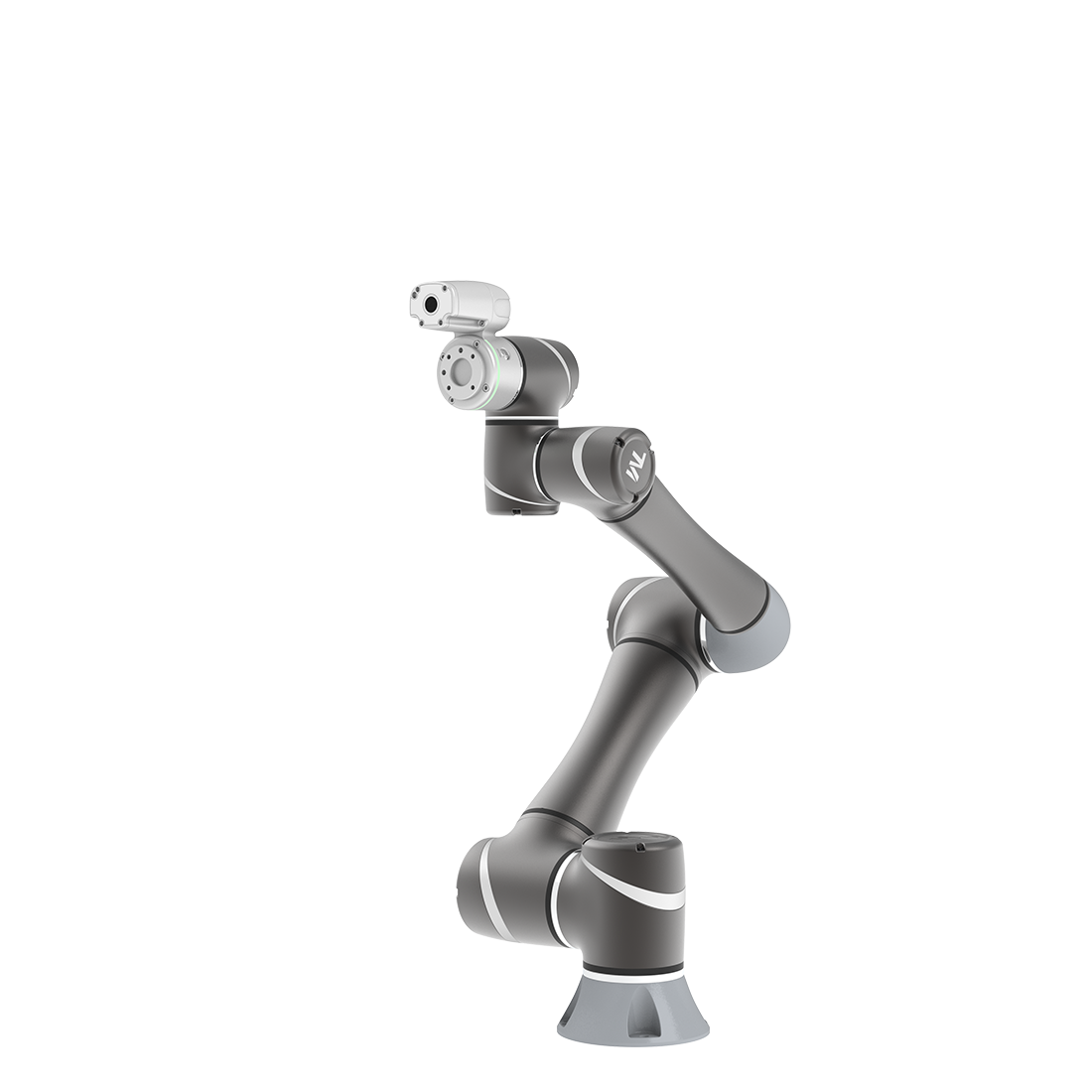
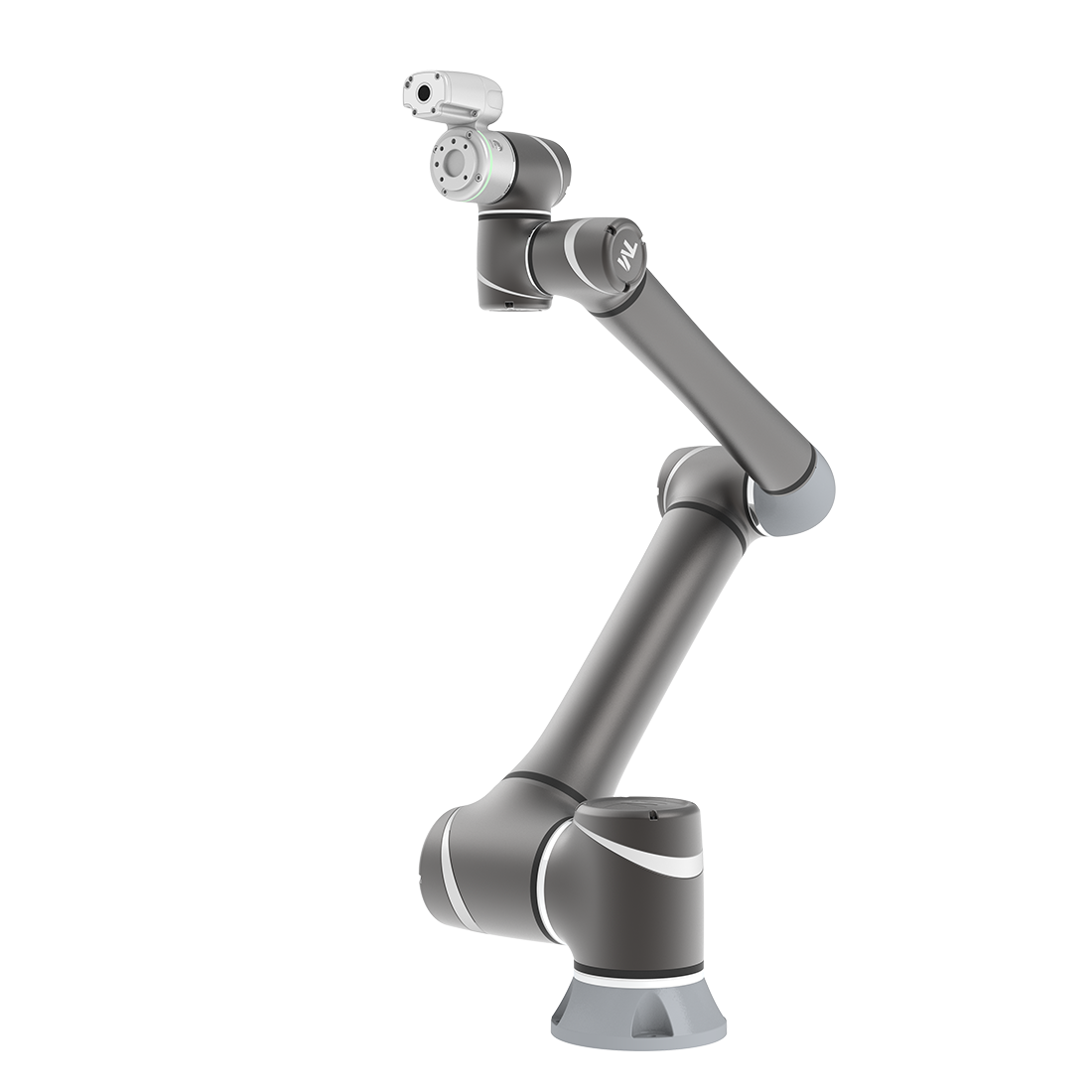
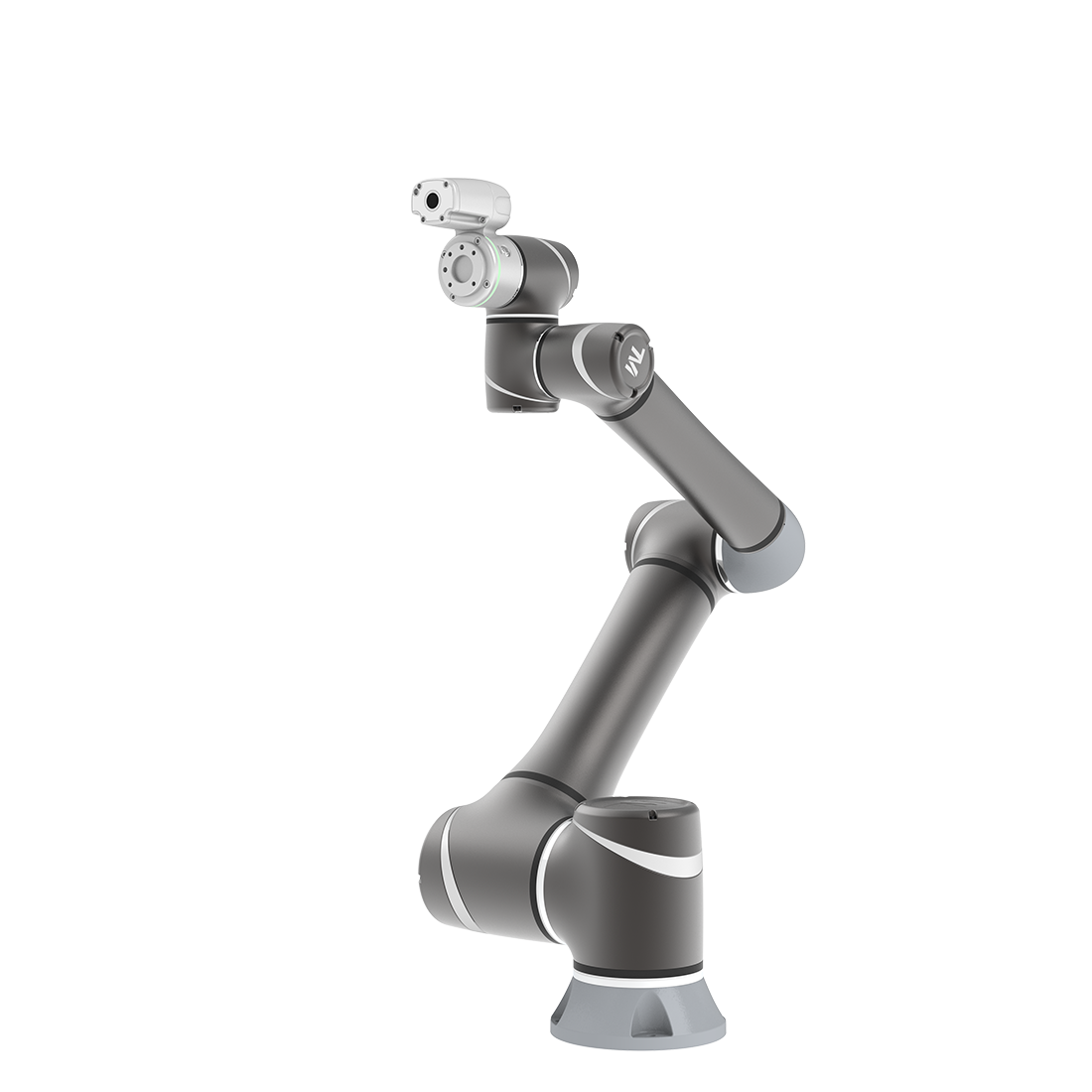
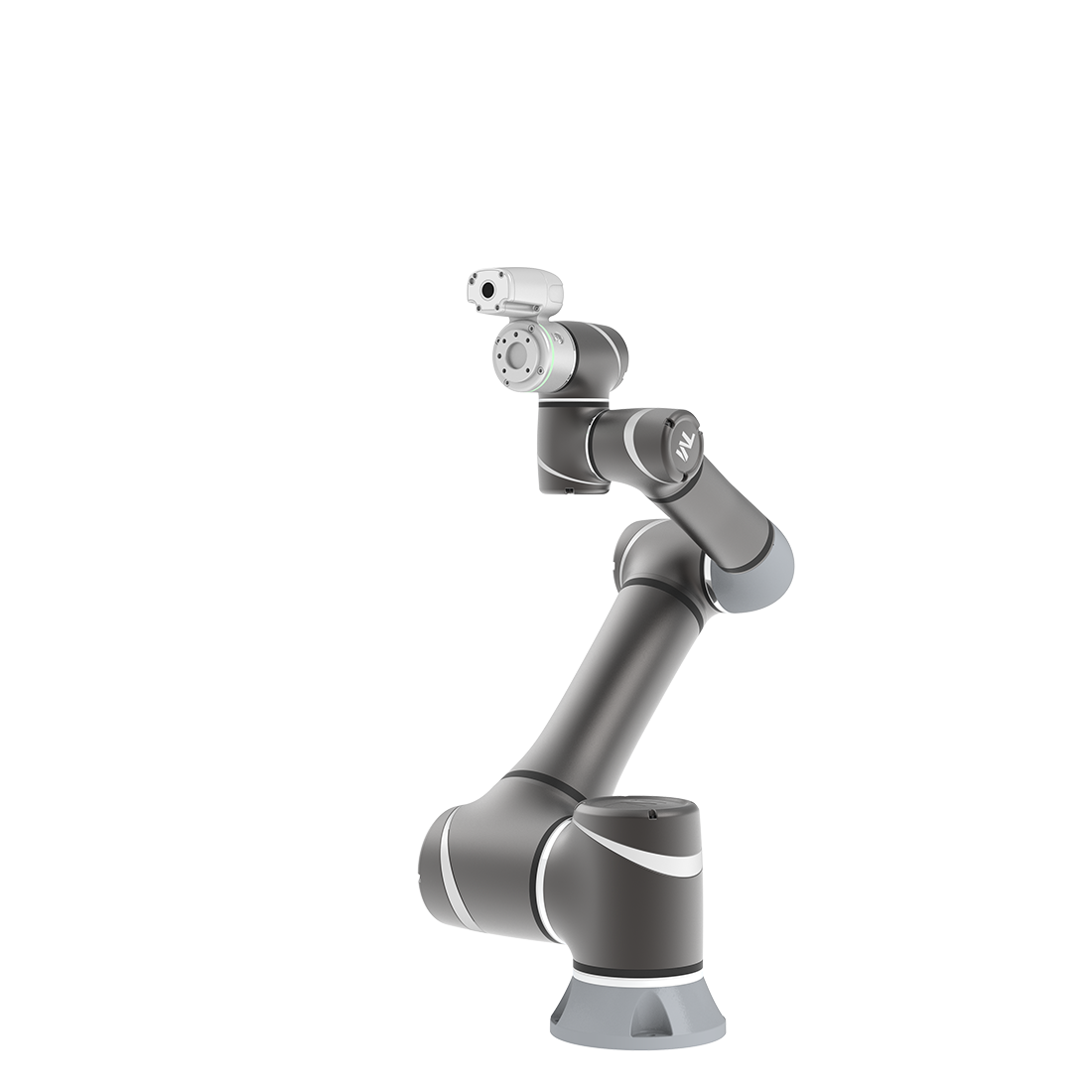
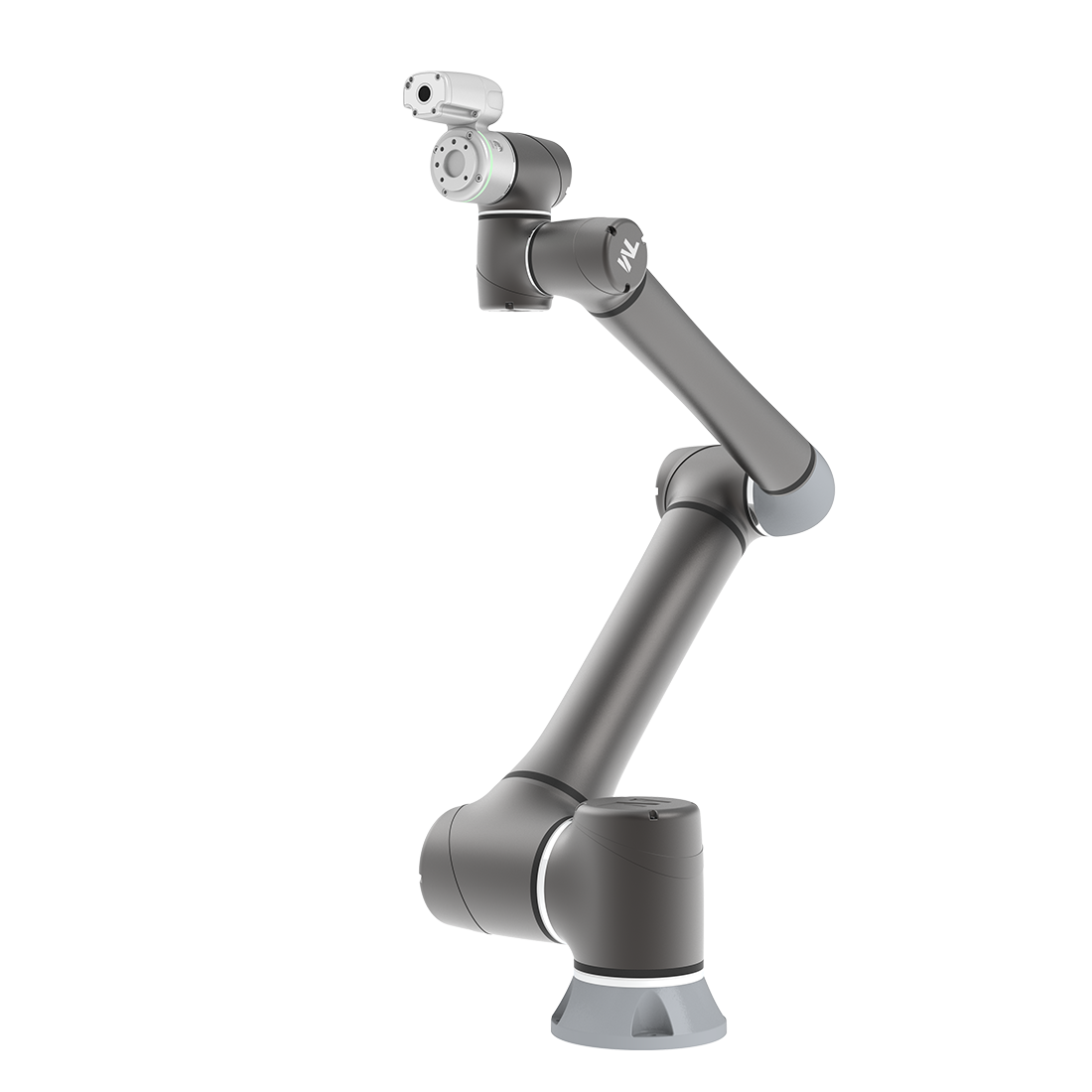
The TM AI Cobot combined built-in vision, external cameras, and on-edge AI classification into a single automated inspection workflow — no separate vision system integration required.
- Imaging & Detection
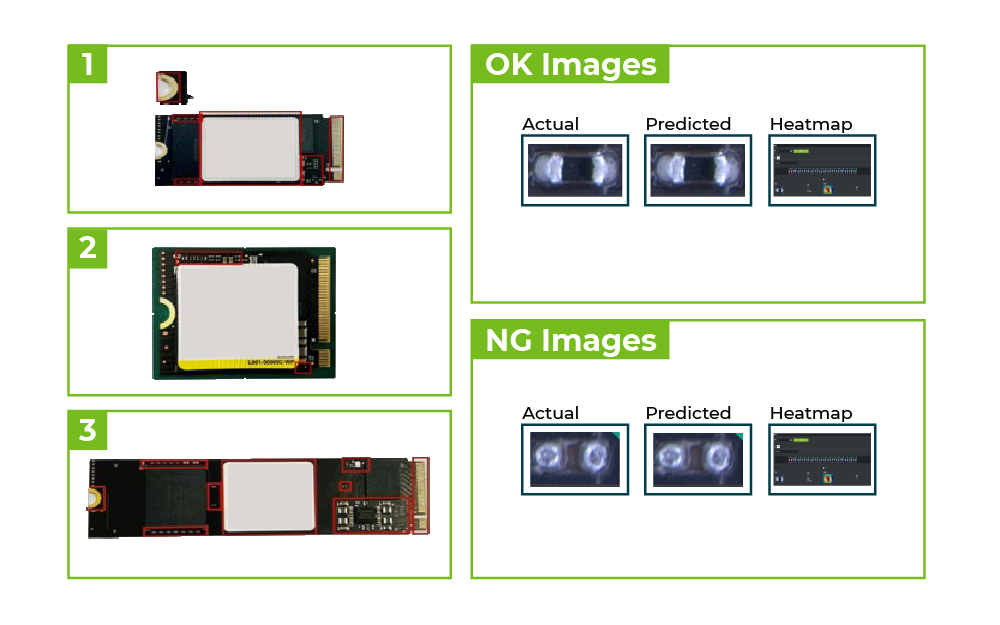
- The Eye-in-Hand (EIH) camera handled precise positioning, while an external camera performed multi-point visual inspection, capturing images from multiple angles so every component was checked.
- Each image was analyzed by the AI model and classified as Pass (OK) or Fail (NG).
- AI Model Training — 70 Images, 15 Minutes
- The classification AI was trained on a dataset of just 70 images (40 OK, 30 NG).
- Training took only 15 minutes, so the system adapts quickly whenever board designs or production requirements change.
- Automated Sorting Workflow
- OK products flow automatically to the next station.
- NG products are identified and picked out by the cobot arm into a dedicated recycle area for further processing.
- Inference runs on the TM AI AOI Edge, which transmits results to the robot for real-time decision-making — keeping the production flow seamless.
Results at a Glance
| Metric | Result |
| Inspection accuracy | 99.99% |
| False alarm / overkill rate | < 1% |
| Inspection manpower | Reduced by 50% |
| AI training dataset | 70 images (40 OK / 30 NG) |
| AI training time | 15 minutes |
| Cycle time | Matches production line speed |
Where Else Does This Apply?
- Detecting missing or damaged parts before packaging
- Catching small anomalies early in the process to prevent downstream quality escapes
- Any final visual inspection (FVI) station where defect classes can be taught by example images
FAQ
How many images are needed to train the AI inspection model?
In this case, only 70 images (40 OK, 30 NG) were needed, with a training time of 15 minutes — making it practical to retrain whenever the product changes.
What accuracy can AI-based PCB inspection achieve?
This deployment achieved 99.99% inspection accuracy, with false alarm and overkill rates under 1%.
Does the cobot need an external vision system?
No. The TM AI Cobot has a built-in Eye-in-Hand camera for positioning and supports external cameras for multi-point inspection, with AI inference running on the TM AI AOI Edge.
Can the system keep up with high-volume production lines?
Yes. Inspection speed aligned with the customer's production cycle time while reducing inspection manpower by 50%.