Techman Robot Bridges the Sim-to-Real Gap. Bringing Physical AI to the Factory Floor
"SEE · THINK · ACT" Connects Real-World Perception, Simulation Validation, and AI Deployment Across Four Real-World Manufacturing Applications
2026-08-26
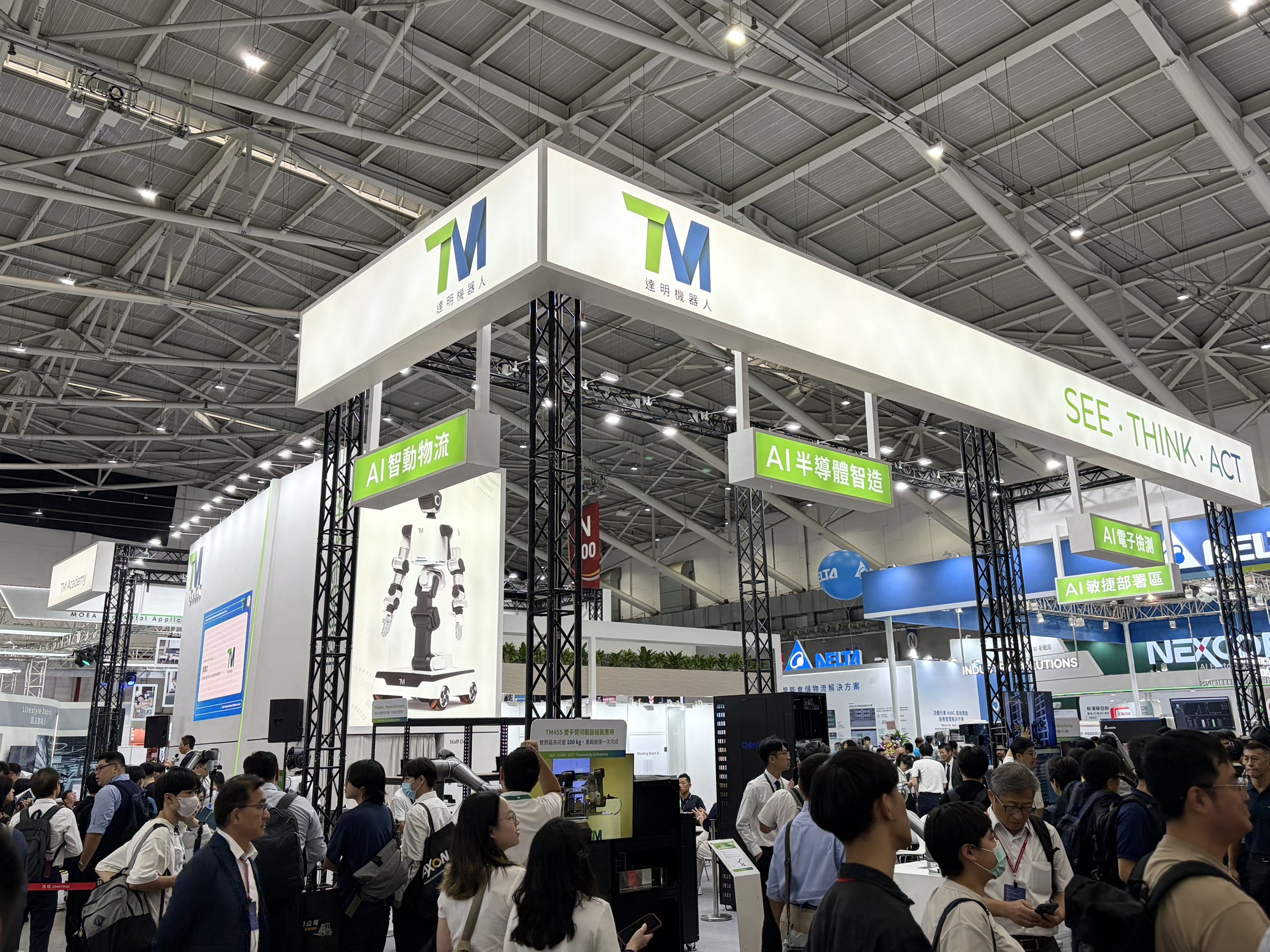
TAIPEI, Taiwan, Aug. 19, 2026 - Techman Robot (TWSE: 4585) is showcasing four key application areas at Automation Taipei 2026 under the theme "SEE · THINK · ACT — Powered by AI Robotics": AI-powered smart logistics, semiconductor manufacturing, electronics inspection, and agile deployment. To address the Sim-to-Real gap that emerges as Physical AI moves from virtual validation to the production line, Techman Robot's Real–Sim–Real deployment workflow connects built-in visual perception and 3D environment reconstruction, automated point generation and rapid teaching, simulation and validation in NVIDIA Omniverse™, AI-powered spatial positioning, and deployment on physical robots. This enables simulation results to translate into real-world manufacturing operations.
Dual AI Engines Accelerate Physical AI from Demonstrations to Factory Deployment
Humanoid robots have rapidly attracted market attention in recent years. For manufacturers, however, their real value depends on whether they can enter existing factories safely and reliably and perform practical production tasks.
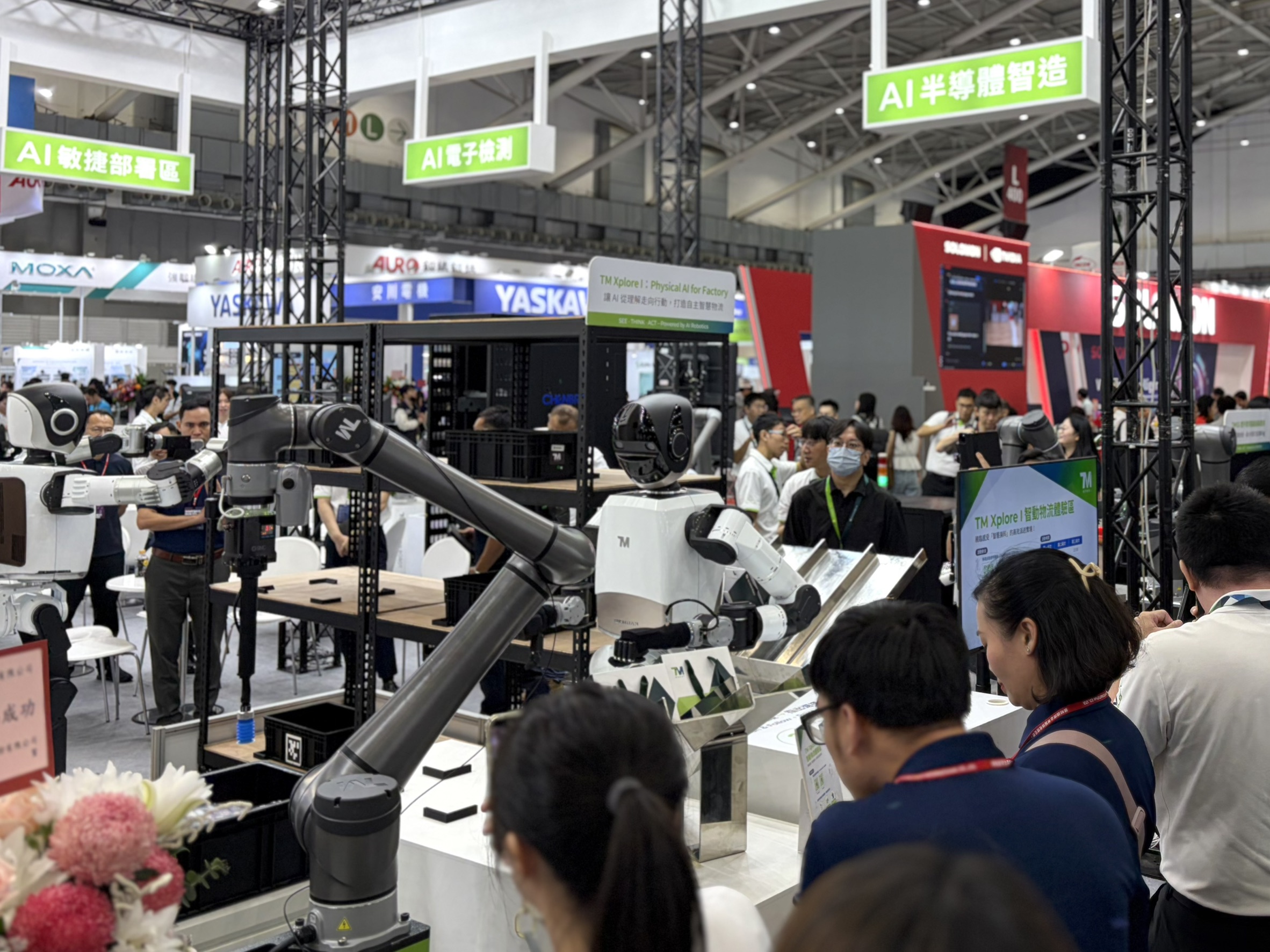
In the AI Smart Logistics zone, TM Xplore I is positioned as "Physical AI for Factory" and demonstrates warehouse box picking, material transport, and workstation handoffs. Its compact form factor enables it to navigate narrow aisles, reducing the need for major production-line modifications in existing facilities. By combining graphical programming with edge AI, it can support both fixed workflows and high-variability tasks.
Techman Robot's Dual AI Engines strategy connects its AI Cobots with the TM Xplore I humanoid robot. Through shared AI vision, Vision-Language-Action (VLA) multimodal models, and robot learning capabilities, Physical AI technologies developed for humanoid robots can also enhance existing AI Cobot applications, accelerating the deployment of cross-platform intelligence across manufacturing scenarios.
The Real Industry Challenge Is Not Building Simulations, but Making Them Match the Factory Floor
Simulation can reduce risk in robot planning and testing. However, when equipment locations, workpiece conditions, or site conditions differ from the virtual environment, on-site deployment may still require recalibration, reteaching, and tuning. The true Sim-to-Real challenge is not simply transferring a program from a virtual environment to a robot; it is ensuring that the simulated result still executes correctly on the production line.
Techman Robot uses built-in vision to perceive the physical environment and reconstruct it as a 3D scene. In simulation, the system performs automated point generation, rapid teaching, and validation in NVIDIA Omniverse™, then connects to physical deployment through AI-powered spatial positioning. This Real–Sim–Real workflow reduces the engineering gap between virtual and physical environments.
Real–Sim–Real Applied Across Three Manufacturing Scenarios
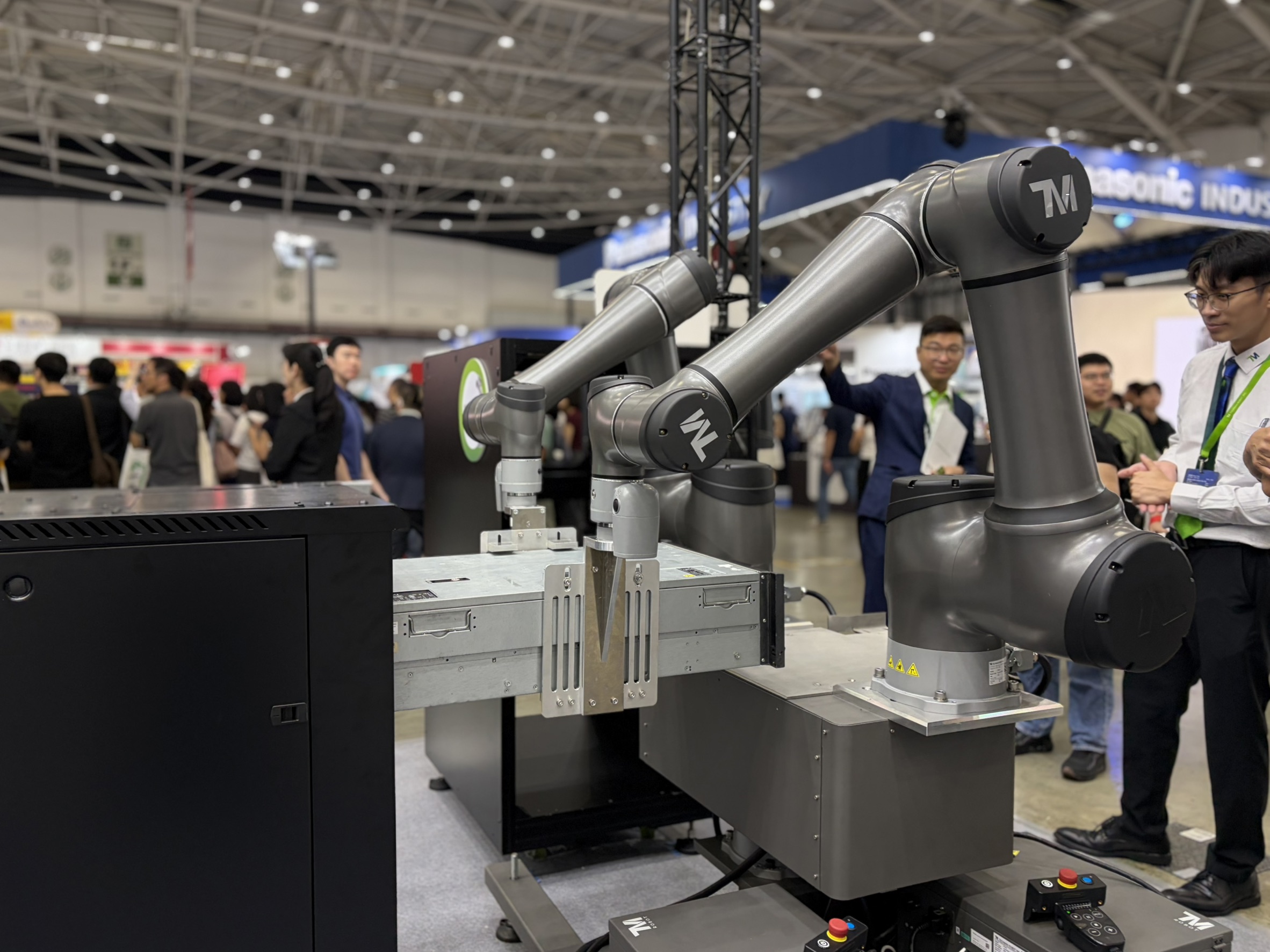
For precision semiconductor carrier handling, AI Positioning performs 3D spatial localization using only a single 2D image and determines the relative positions of the robotic arm, carrier, and equipment. This supports high-precision applications including FOUP and magazine handling in semiconductor manufacturing, as well as material loading and unloading for industrial equipment.
For electronics inspection, TMscene uses the robot's built-in camera to scan physical equipment and create a 3D model, enabling inspection planning even when original CAD files are unavailable. The system can centrally manage tens to hundreds of inspection points and preview the camera's field of view. Distinct markers help users quickly identify overlapping or missed inspection areas, improving planning and management efficiency for large-scale inspection projects.
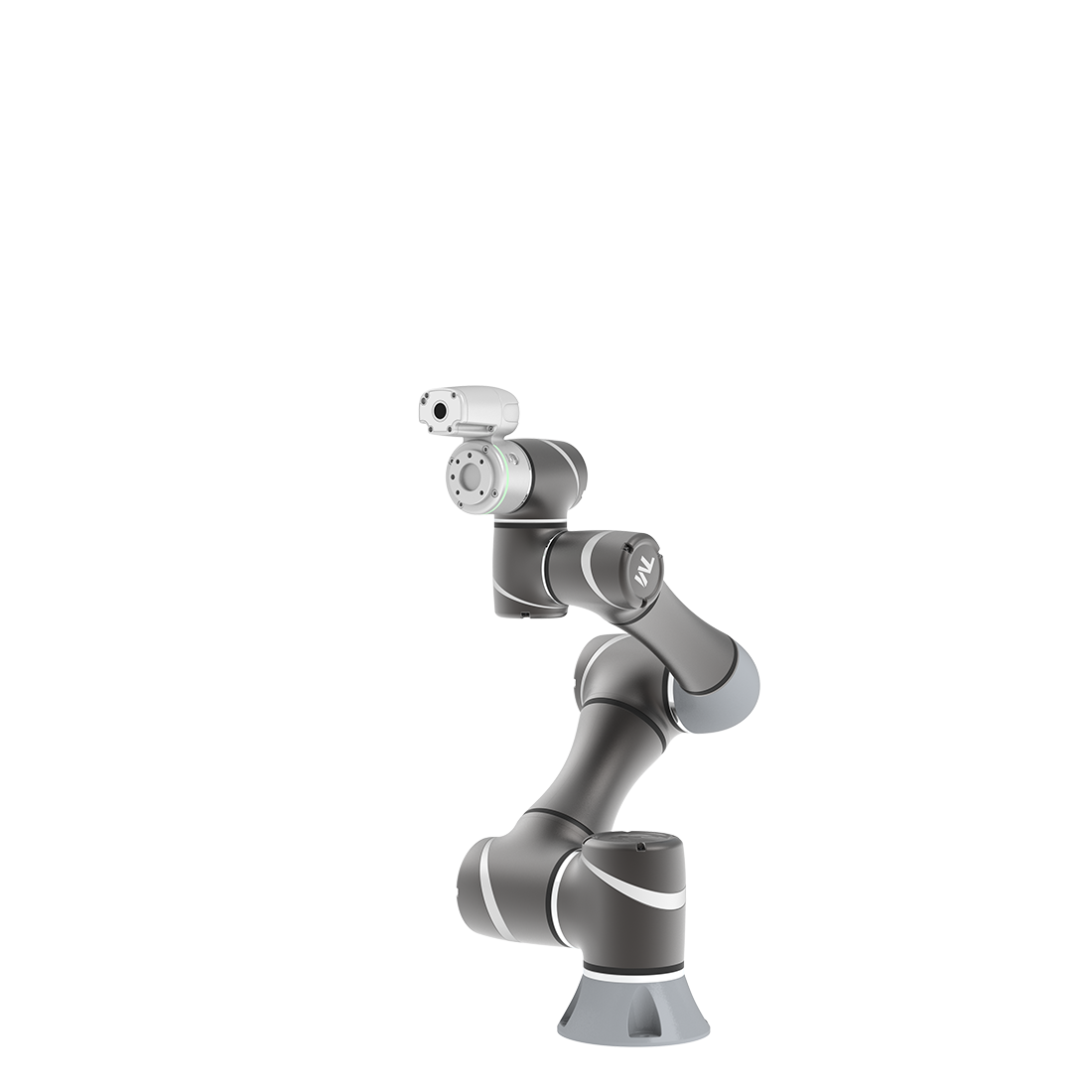
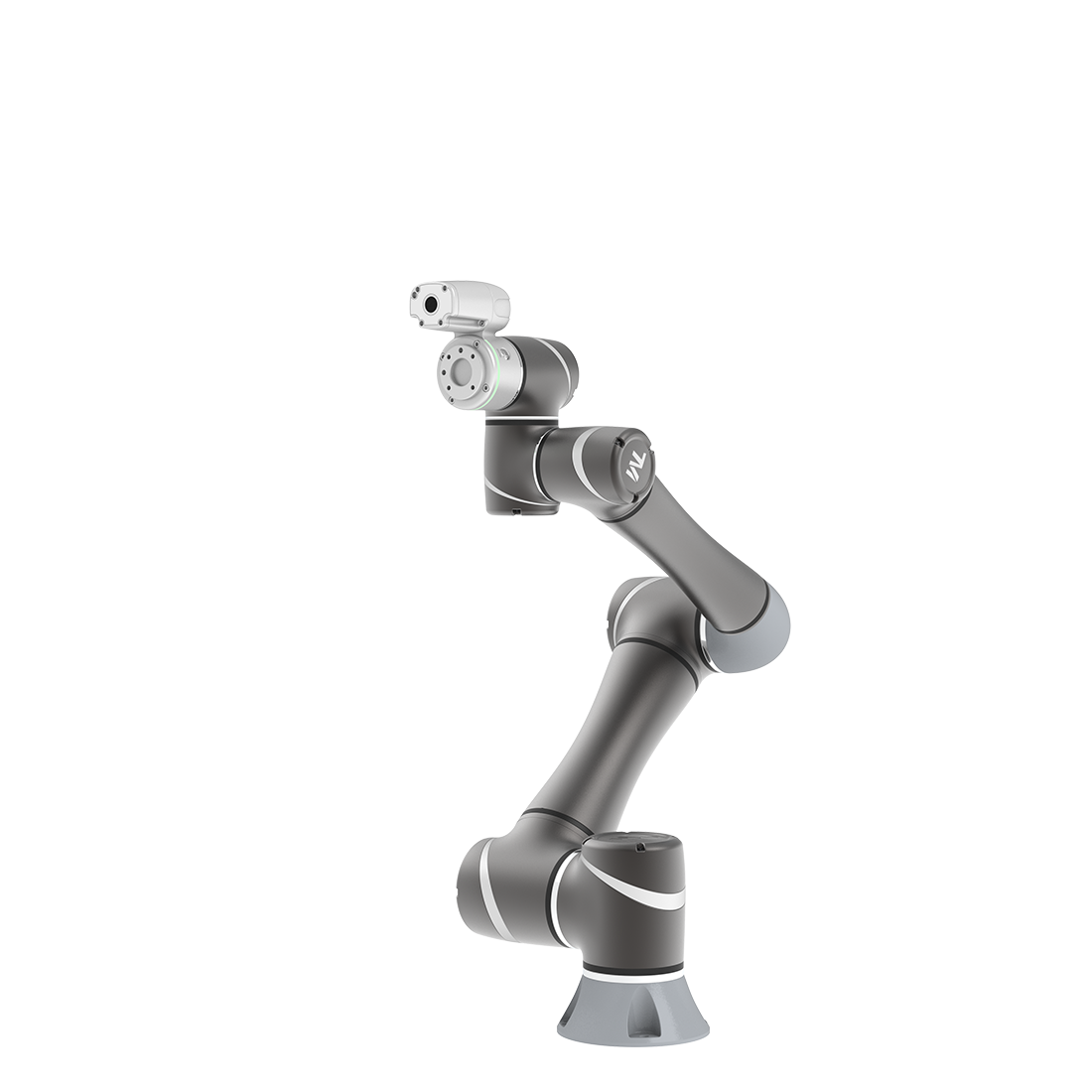
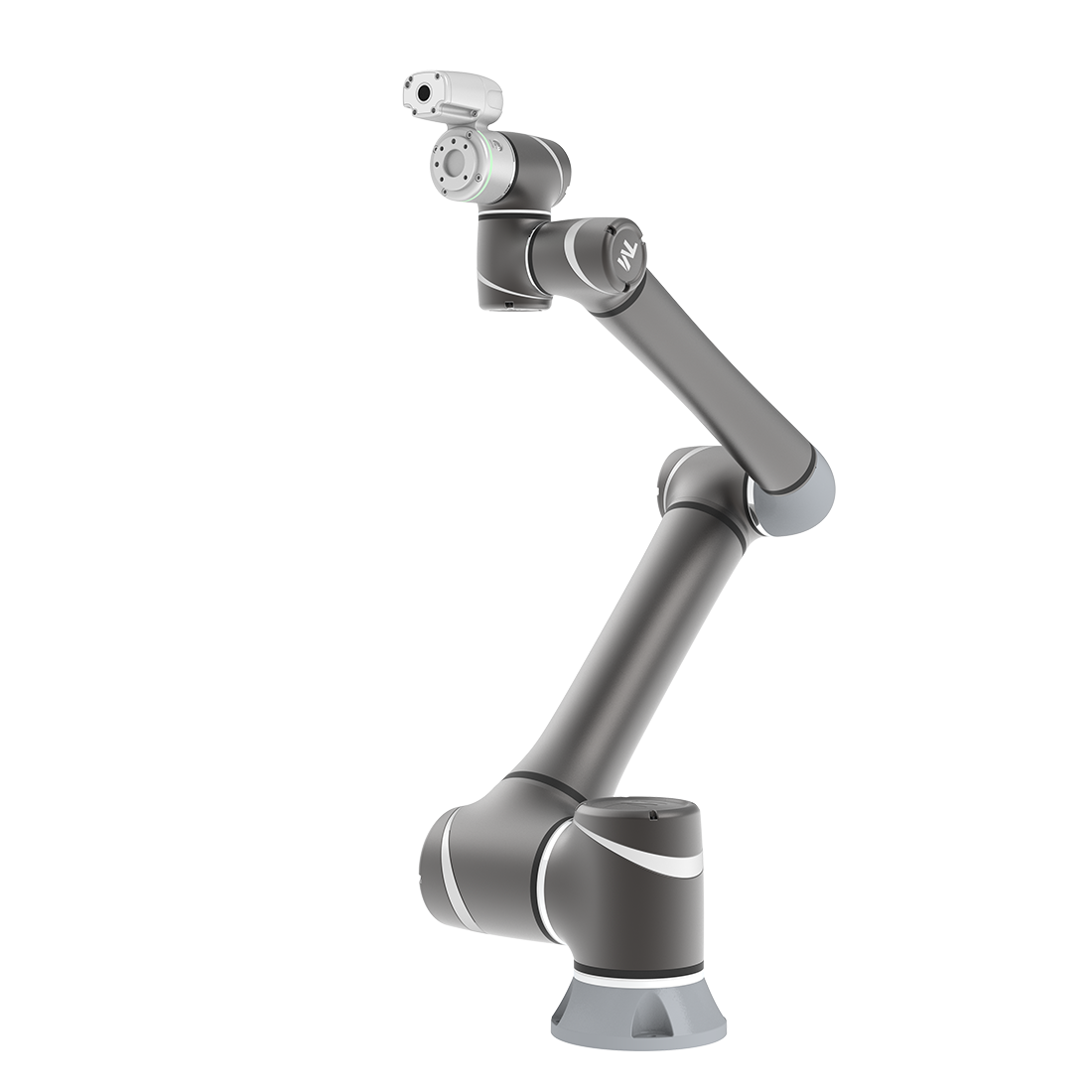
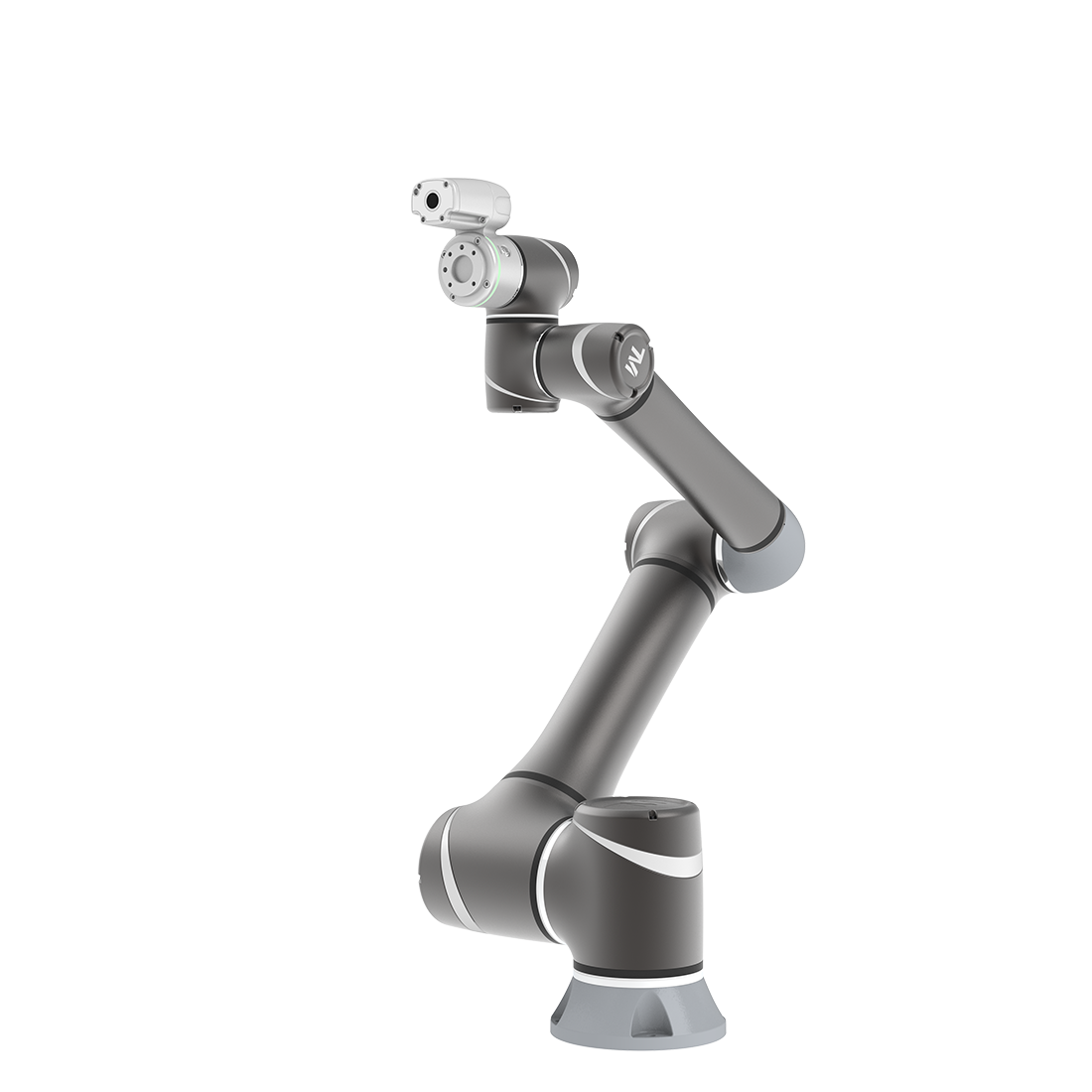
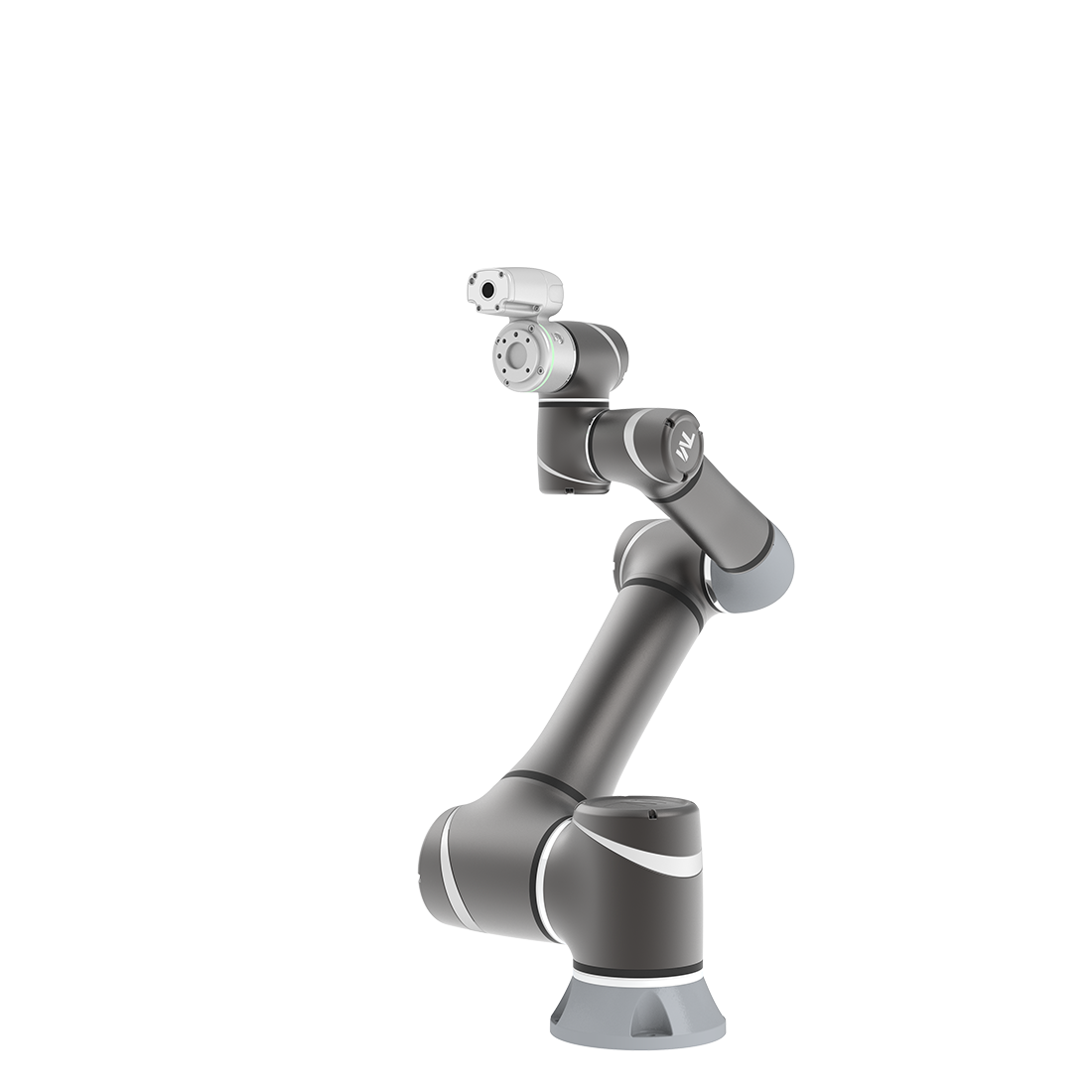
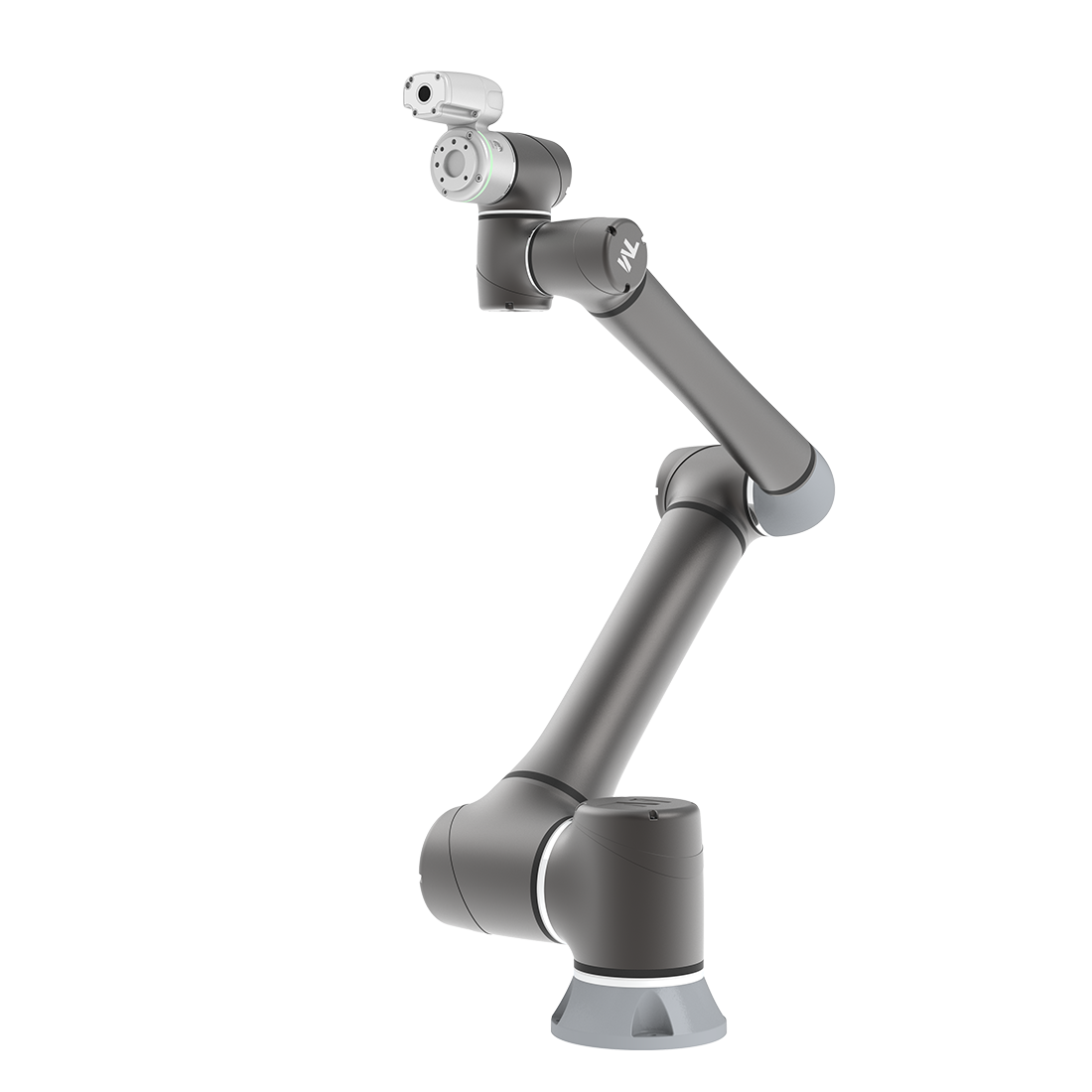
For vision-adaptive welding, the new TM3S weighs just 11.8 kg and can be carried by one person. Paired with a magnetic base, it can be quickly moved between work locations. Its built-in vision system scans the workpiece and automatically generates a welding path, which is validated in a virtual environment before deployment to the physical robot. This reduces point-by-point teaching and on-site tuning.
In addition, Instant Random Bin Picking requires no prebuilt 3D product model. Its AI-powered 3D vision recognizes randomly arranged or stacked objects and automatically aligns the coordinate systems of the 3D camera and robotic arm, reducing manual calibration and on-site testing.
From eliminating CAD requirements and prebuilt 3D models to reducing manual teaching, the value of AI Robotics lies not only in making robots smarter, but also in lowering the engineering barriers to modeling, programming, and on-site tuning. This shortens the path from automation planning to production deployment.
AI Boom Creates New Automation Demands for Semiconductor and Server Manufacturing
As demand for AI computing continues to grow, semiconductor and server equipment is becoming more precise, dense, and heavy, creating new automation challenges on the factory floor.
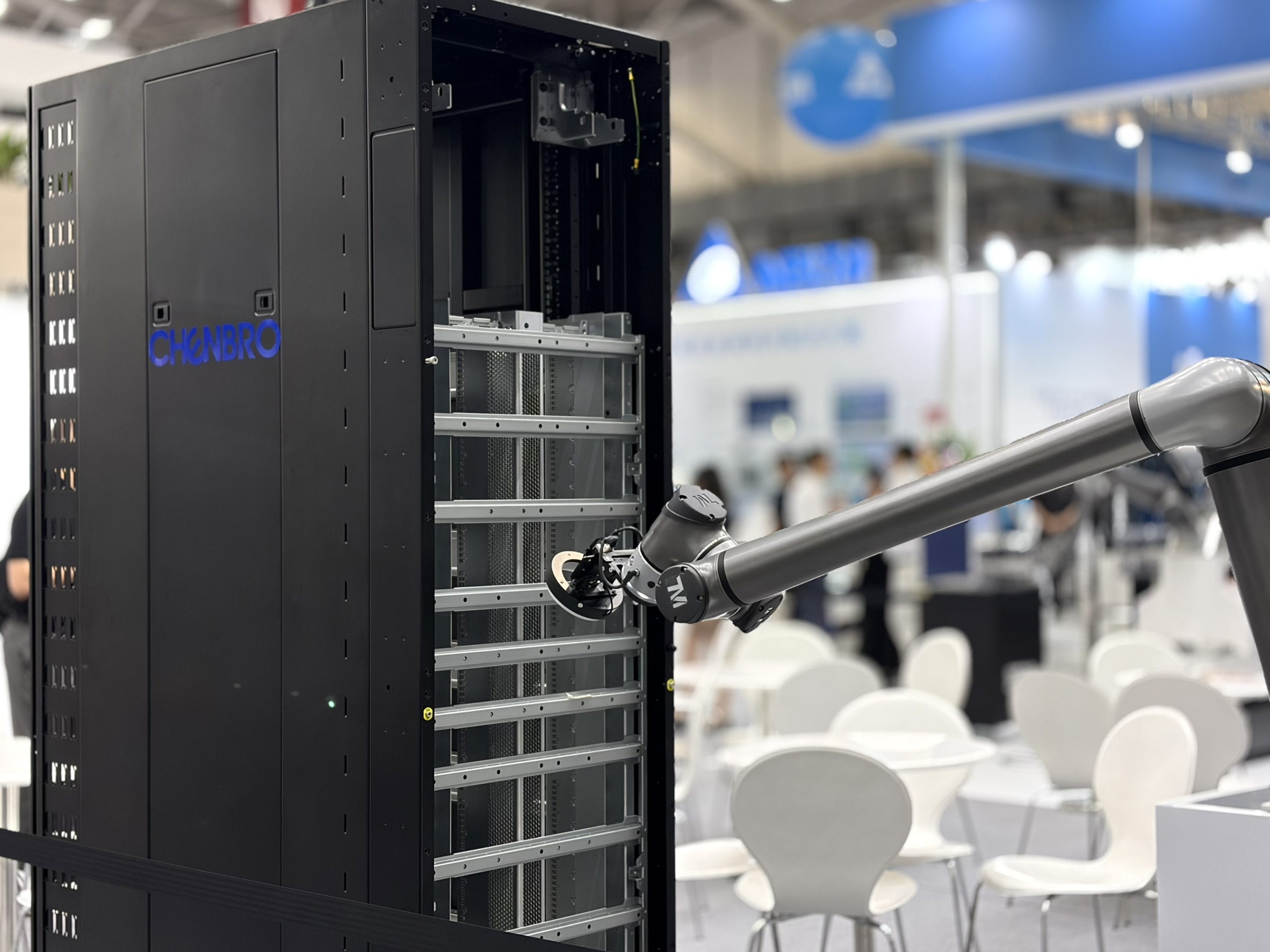
The new TM45S dual-arm server assembly application is designed for large servers and heavy workpieces. Each TM45S offers a payload of up to 50 kg. With synchronized dual-arm control, two arms can handle up to 100 kg together, allowing them to manage large, heavy workpieces that are difficult for a single arm. Built-in vision locates targets and automatically corrects pick-and-place positions if a workpiece shifts.
AI is not only driving greater computing demand; it is also creating new manufacturing automation requirements. From precision handling in advanced semiconductor production to moving and assembling large servers and electronic equipment, robot payload, vision, and spatial understanding will play increasingly important roles.
Bridging the Sim-to-Real Gap to Bring Physical AI into Real-World Manufacturing
"The industry today has no shortage of simulation tools. The real challenge is ensuring that simulation results still work as intended on the factory floor," said Scott Huang, Chief Operating Officer of Techman Robot. "Through our Real–Sim–Real deployment workflow—from real-world perception and 3D reconstruction to simulation programming and validation, AI-powered spatial positioning, and physical deployment—we are moving Physical AI beyond virtual environments to create tangible value in manufacturing."
Guided by "SEE · THINK · ACT — Powered by AI Robotics," Techman Robot will continue to advance its capabilities in AI vision, 3D environment reconstruction, simulation validation, AI-powered spatial positioning, and robot control. The company aims to narrow the engineering gap in Sim-to-Real, move Physical AI from technical validation into real-world manufacturing, and accelerate the deployment of intelligent capabilities across more manufacturing scenarios through its dual-engine strategy combining AI Cobots and TM Xplore I.
Exhibition Information
Event: Automation Taipei 2026
Dates: August 19-22, 2026
Venue: Taipei Nangang Exhibition Center, Hall 1, 4F
Techman Robot Booth: M620
About Techman Robot
Techman Robot specializes in the integration of collaborative robots, machine vision, and AI technologies. Through TM AI Cobots with built-in vision, the TM Xplore I humanoid robot, and related software solutions, the company lowers barriers to automation and helps manufacturers address demand for high precision, high variability, and flexible production. Guided by "SEE · THINK · ACT," Techman Robot continues to advance AI Robotics and Physical AI in real-world industrial applications.